
- OpenAI CEO Sam Altman and Palantir CEO Alex Karp have stepped up criticism of short sellers as AI-linked companies face louder skepticism.
- Altman said he wished critics could bet against OpenAI in public markets; Karp blasted traders betting against Palantir in a recent TV interview.
- Market specialists say short selling is a routine part of price discovery, even as executives increasingly portray it as an attack on innovation.
OpenAI CEO Sam Altman and Palantir Technologies CEO Alex Karp have sharpened their criticism of short sellers, lining up with Elon Musk’s long-running fights with traders who bet against his companies. Altman said he sometimes wished OpenAI were public so skeptics could short its stock, adding: “I would love to see them get burned on that,” according to a Dec. 29 Business Insider report. Business Insider
The dispute matters now because the artificial intelligence boom has turned a widening set of stocks and startup valuations into battlegrounds between believers and skeptics. Executives are increasingly treating bearish bets as a challenge to confidence in their businesses, not just a market view.
That tension is particularly visible in AI-linked names, where investors are trying to separate durable demand from hype. It is also spilling into private markets, where companies without publicly traded shares still face scrutiny over how they justify their valuations.
Karp, asked on CNBC last month about traders betting against Palantir, attacked short sellers and portrayed them as targeting a company he says supports U.S. national security and ordinary people. The Business Insider report noted that Palantir has drawn criticism for some government work, including contracts tied to surveillance and immigration enforcement.
Altman’s complaint is structurally different: OpenAI is privately held, so investors cannot directly short its shares. The Business Insider report said Altman has nonetheless faced repeated outside doubts about OpenAI’s valuation and finances, and has argued skeptics should have to back their views with real risk.
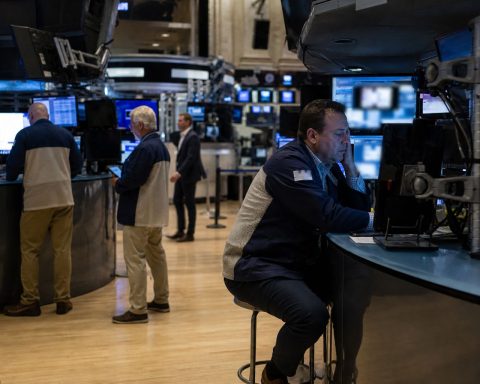
Short selling is a wager that a stock will fall. A trader borrows shares, sells them, and hopes to repurchase them later at a lower price before returning them to the lender.
If the stock rises instead, the short seller still has to buy back shares, and losses can accelerate as the price climbs. That dynamic can fuel a short squeeze, when forced buying by short sellers pushes a stock even higher.
Market veterans often defend short selling as part of price discovery — a way for investors to express negative views with money, not just commentary. It can also add liquidity, since borrowed shares get traded rather than sitting idle.
At the same time, the Business Insider report said some short sellers have been charged in cases involving deceptive or coordinated efforts to push negative narratives and drive down share prices. Those episodes have helped make shorts an easy political target for executives facing public skepticism.
Altman and Karp join a long list of leaders who have publicly attacked short sellers, including Musk. The Business Insider report also pointed to other high-profile blowups over short selling, including the GameStop episode that turned forced buying into a market spectacle.
The pushback is not limited to CEOs taking aim at bearish traders. The Business Insider report said Nvidia CEO Jensen Huang has pushed back on talk of an AI bubble, arguing in a recent earnings call that demand looks different from his vantage point.
Business Insider also promoted the story on LinkedIn under the banner “Tech’s new titans vs. Wall Street sharks,” underscoring how the dispute is moving beyond trading desks and into the broader tech conversation. LinkedIn
WebProNews echoed the theme in a separate commentary post, framing the executives’ complaints as an extension of Musk-style warfare with market skeptics.