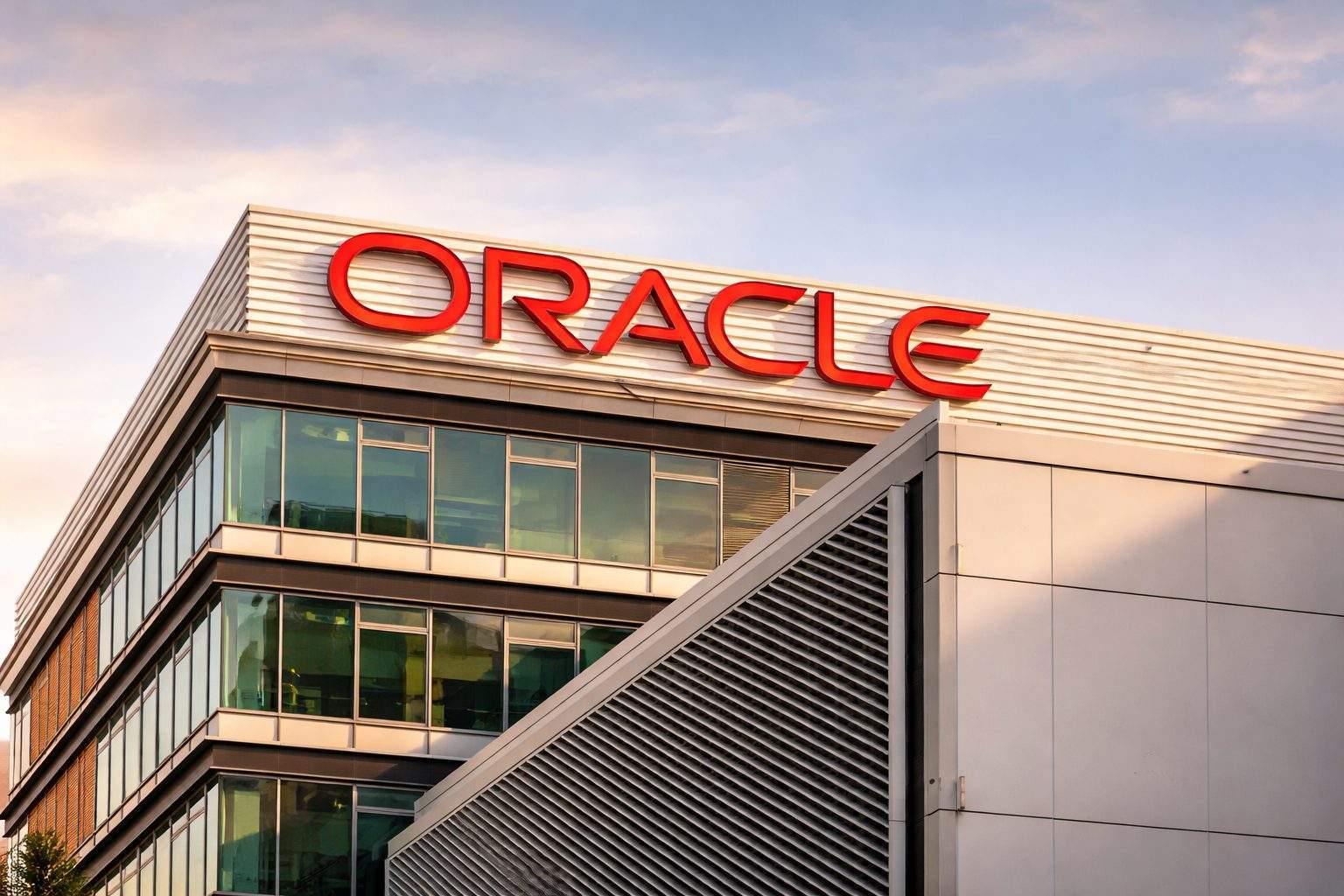
New York, Jan 21, 2026, 16:42 ET — After-hours
- Oracle shares dropped roughly 3% after the close, marking their second consecutive session of losses.
- Wall Street closed up after Trump indicated tariffs linked to Greenland wouldn’t kick in on Feb. 1.
- A Guggenheim analyst kept a $400 price target on Oracle, labeling it a “decade stock.”
Oracle shares dropped 3.4% to $173.88 in after-hours trading Wednesday, continuing their slide despite a late-day bounce in the broader U.S. market.
This shift is significant since Oracle now serves as a high-beta indicator for sentiment on major cloud and AI infrastructure investments, and geopolitical jitters have rattled the market once more. Wednesday’s split—stocks climbing while Oracle slipped—highlighted how fast investors are toggling between “AI buildout” leaders and concerns over balance sheets.
Wall Street’s major indexes climbed as President Donald Trump announced a framework deal on Greenland that would prevent tariffs scheduled for Feb. 1, boosting risk appetite into the final hour. Reuters
Oracle didn’t keep pace. Shares swung between $170.83 and $182.50 during the session, with volume topping 37 million, market data shows.
Some of the selling stemmed from Tuesday’s broad decline, which saw tariff fears drag the S&P 500 and Nasdaq beneath their 50-day moving averages, sparking a jump in volatility. Reuters
“The geopolitical risks … are re-emerging,” said Wasif Latif, chief investment officer at Sarmaya Partners, on Tuesday, noting a risk-off mood that spilled over into Japan’s government bond market. Reuters
Oracle dropped 5.85% Tuesday, closing at $179.92, then slid further on Wednesday, totaling about a 9% decline over two days. Oracle Investor Relations
One bull isn’t backing down despite the pullback. Guggenheim analyst John DiFucci stuck with a buy rating and a $400 price target on Oracle, calling it a potential “decade stock.” He believes the company is set to play a key role in AI infrastructure. MarketWatch
Investors are on edge over Oracle’s funding requirements and returns following the company’s recent outlook, which fell short of Wall Street’s expectations. The firm also warned of increased capital spending linked to its AI cloud expansion. Reuters
There’s a risk, though. If tariff threats resurface, borrowing costs remain high, or demand for big AI capacity contracts cools off, companies requiring steady investment before seeing revenue gains could take another hit — Oracle falls into that group.
Traders are focused on Thursday’s EU emergency summit in Brussels, looking for any signs of escalation. They’ll also be keeping an eye on the Feb. 1 tariff deadline that Trump mentioned prior to Wednesday’s reversal. Reuters
Oracle is set to pay a quarterly cash dividend of $0.50 per share on Jan. 23. Investors will be watching closely for new details on financing and data-center strategies before the company’s next earnings report later this quarter. sec.gov