
CANBY, Oregon, April 24, 2026, 04:09 (PDT)
Roy Hofer, known for his private John Deere tractor museum in Canby, is taking his Oregon hazelnut farming credentials national. He’s just been named to the American Farm Bureau Federation’s Young Farmers & Ranchers Committee for 2026-27. That’s a prominent seat for a West Coast collector and manager in a group often tied to Midwestern machinery circles.
Farm Bureau sees urgency now, as it looks to draw younger producers into leadership roles—especially with farms wrestling with steep costs, tough labor markets, and heated policy battles in Washington. The group’s Young Farmers & Ranchers program, known as YF&R, targets members from 18 to 35, mixing public speaking, advocacy, business skills, and networking. Ryan MacKay, who’s set to chair the committee for 2025-26, said the unified voice the program builds is key for representing farmers.
There’s a lot riding on policy. Speaking at the 2026 convention, AFBF President Zippy Duvall pointed to “unprecedented challenges” for farmers and ranchers, citing high supply costs, trade imbalances, and weak commodity prices. Delegates signed off on new stances covering labor programs, biosecurity measures, and dairy safeguards. Suddenly, a seat on the young-farmer committee means a lot more than just padding a résumé. Farm Bureau
At 35, Hofer manages farming for Oregon Flowers Inc. in Aurora, Oregon, and grows hazelnuts on the side. After leaving college, he found himself cut off socially as work on the farm filled up his days. His first meeting with the Clackamas County Farm Bureau changed that. “Wow, these are really my people,” he remembered thinking. SSBCrack News
The YF&R page from Oregon Farm Bureau spells out the usual steps: leadership programs, meeting fellow members, conferences, farm tours, outreach, competitions. Lately, the page also links to a Capital Press piece featuring Hofer—his tractor barn now figures into the group’s pitch for new recruits.
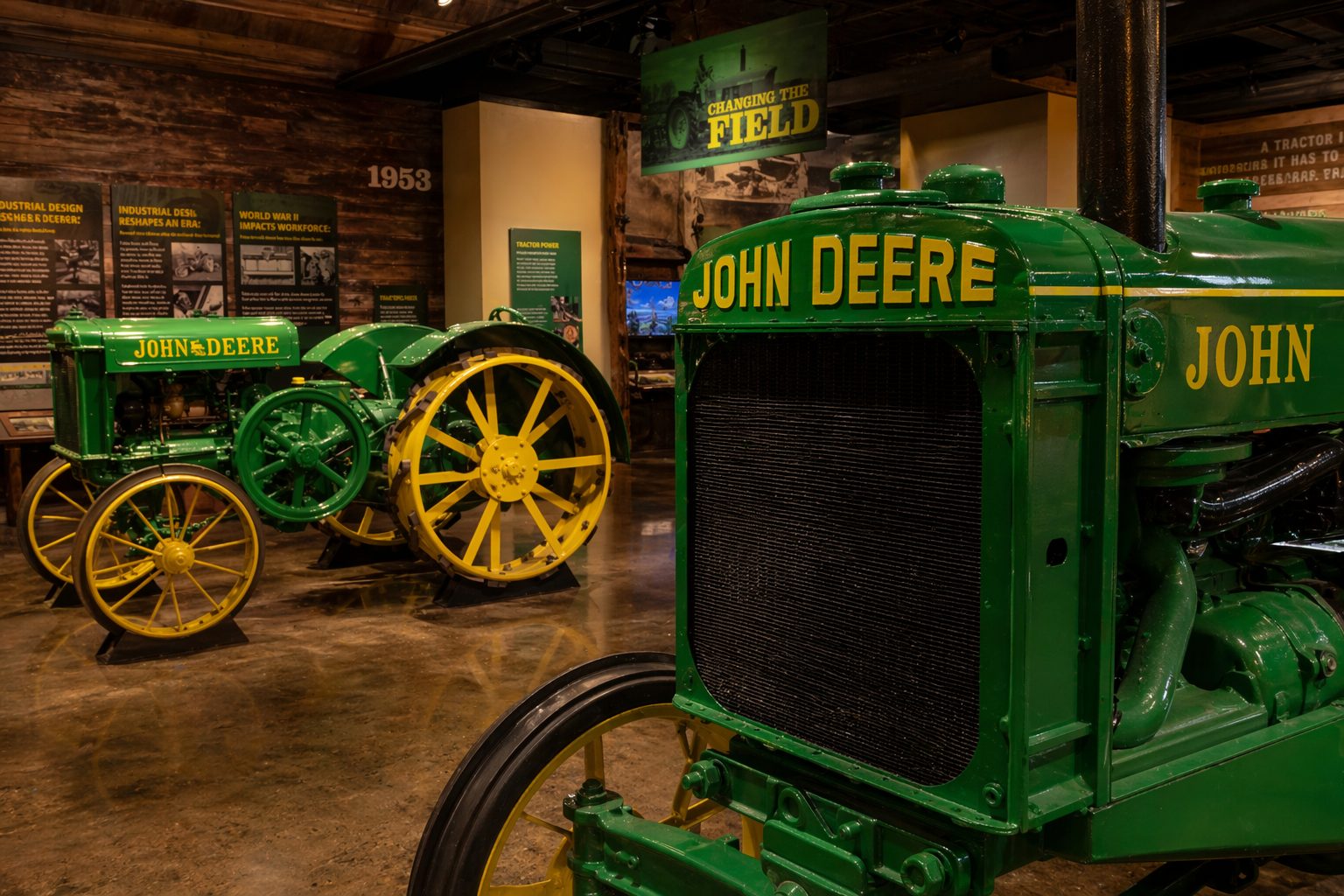
The tractors are still the main attraction. Hofer oversees a private museum, home to a dozen or so machines—among them, two-cylinder John Deere tractors linked to the Dubuque Works plant. One standout, a rare John Deere 320, sits on display at the John Deere Tractor and Engine Museum in Waterloo, Iowa. “I love working on equipment,” Hofer said. Readers.id
The John Deere 320 isn’t just another vintage tractor. According to TractorData, only 3,084 units rolled out of Dubuque between 1956 and 1958. That limited production run is a big part of what draws collectors to this particular model.
The museum’s Deere connection reflects a pivotal shift in U.S. farm equipment. As Successful Farming pointed out this week, the number of tractor manufacturers plunged from 193 down to 38 by 1930. Facing heat from International Harvester’s Farmall Regular—a row-crop machine tailored for working between planted rows—as well as competitors like J.I. Case and Oliver, Deere set up its Power Farming committee in 1931. Out of that came the Model A in 1934, with the smaller Model B introduced later the same year.
Hofer isn’t the West Coast’s sole representative in the national lineup. California’s Trelawney Bullis and Johnathan Quigley out of Washington both appear in recent rosters, joining him. The committee staggers member terms, so not everyone cycles off at once and turnover stays controlled.
Still, landing a committee seat doesn’t ensure that local issues make it onto the national agenda. Hofer has highlighted land use, labor, and water as top challenges facing young farmers in Oregon—though these don’t always align with the broader focus in Washington on things like commodity prices, trade, or federal labor policy.
The museum isn’t just about the exhibits. It’s been the site for Farm Bureau gatherings, all sorts of local get-togethers, even seniors from the nearby retirement home drop by. That’s where Hofer’s approach lands: what started as a fix-it collection of vintage tractors now works as a space blending farm heritage, political conversation, and new faces for the industry.