
HENDERSON, Nevada, May 15, 2026, 13:03 PT
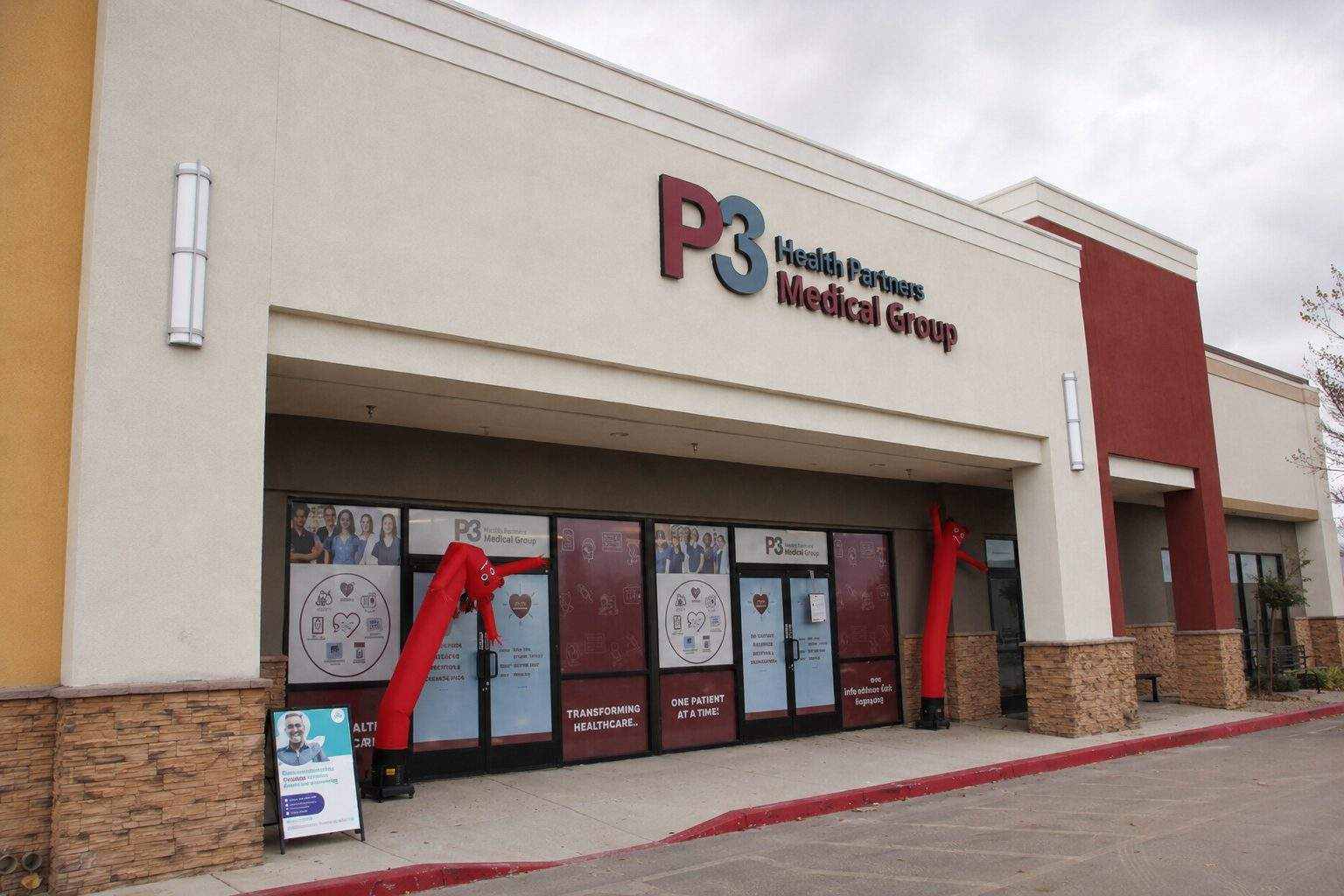
P3 Health Partners Inc. shares surged in late trading Friday, jumping more than threefold after the Medicare-centered care company posted a first-quarter profit and lifted its 2026 adjusted EBITDA target. Shares last traded at $13.00, well above Thursday’s close at $4.03. The stock touched $14.08 earlier in the session, market data showed.
P3 has been under pressure to prove its value-based care model can turn a profit after a long stretch of losses. In a filing, the company said it hadn’t posted a profit from the start through the March quarter and reported just $25.5 million in unrestricted cash as of March 31.
P3’s update landed as investors looked for signs that Medicare Advantage costs are leveling out. Reuters said this week that U.S. insurers posted better first-quarter numbers, but analysts think the second quarter will give a clearer view on claims after early-year noise.
P3 reported a 4% rise in first-quarter revenue to $386 million. At-risk membership fell 10% to around 106,000, which the company said was due to “intentional network and payer rationalization.” Total managed lives were about 135,000, with 29,000 of those under service arrangements. Business Wire
The company reported net income of $3.0 million after posting a $44.2 million loss a year ago. Adjusted EBITDA stood at $25.8 million, turning around from a $22.2 million adjusted EBITDA loss in the same quarter last year. The non-GAAP measure removes interest, taxes, depreciation, amortization and some other items.
P3 CEO Dr. Aric Coffman said the quarter was “a meaningful turning point,” pointing to two years of contract work, network focus and a redesign of operations. P3 bumped its 2026 adjusted EBITDA outlook to a range of $20 million to $60 million, with the midpoint at $40 million. Business Wire
The quarter had some noise in the numbers. CFO Leif Pedersen told analysts roughly $17 million of the benefit was linked to favorable prior-year development and settlements with payers, with about 65% from reserve development and 35% from settlements. Adjusted EBITDA, after those adjustments, was $8 million, Pedersen said.
Medical margin rose to $73.7 million from $17.2 million last year. The company said per-member Medicare Advantage funding was up about 15% from last year, helped by rate increases, contract updates and better documentation of patient illness.
P3 is arguing its case in a tough, crowded sector of healthcare. Agilon Health said first-quarter adjusted EBITDA was roughly $54 million, holding Medicare Advantage medical cost trend at 7.4%. Privia Health, which runs a wider physician platform, saw adjusted EBITDA jump 36.3%.
The balance sheet remains the sticking point. P3’s latest 10-Q flagged “substantial doubt” about the company’s ability to keep operating over the next year. Management said more debt or equity could be needed if cash isn’t enough. As of March 31, the company reported a $353.3 million working capital deficit and a $143.5 million stockholders’ deficit. Equisolve
P3 moved to shore up its balance sheet. On April 27, it swapped about $252.5 million in unsecured promissory notes for preferred shares. The company also said it would sell up to $70 million more in preferred stock-and-warrant units, and had already sold $30 million by April 30.
The company now needs to hold medical costs in check for the rest of the year, not just in a solid first quarter. Pedersen said hitting the updated guidance depends on how costs trend and how well medical-cost efforts land. After Friday’s move in the stock, there’s less margin for error.
Related articles: Earnings Reports