
DALLAS, May 15, 2026, 14:05 (CDT)
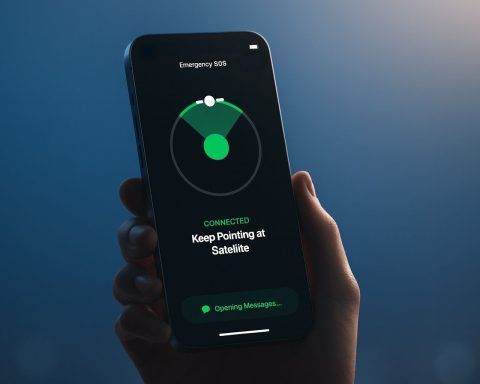
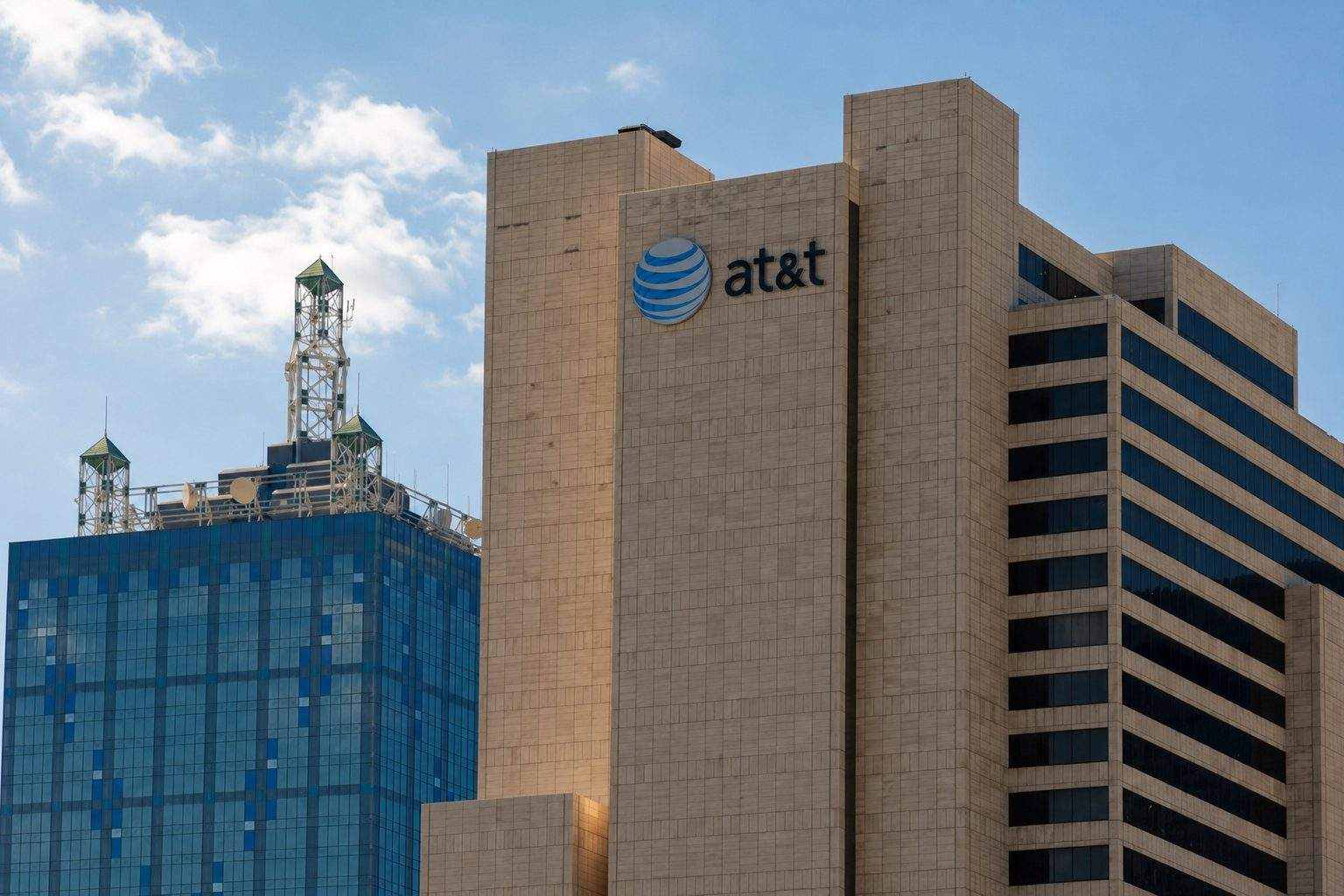
AT&T Inc. is teaming up with Verizon and T-Mobile—an unusual alliance among the top three U.S. mobile carriers—to launch a satellite-based venture targeting the country’s wireless dead zones. All three giants are throwing their weight behind what’s shaping up to be a race for direct phone-to-satellite service. The companies say their plan relies on direct-to-device tech, so regular phones connect straight to satellites, no special hardware required.
It’s a conspicuous bit of timing. Just two days after the U.S. Federal Communications Commission cleared EchoStar’s $40 billion wireless spectrum sale — those are the frequencies mobile signals ride on — to SpaceX and AT&T, the announcement landed. The deal sets up Elon Musk’s Starlink for a more direct shot at cell service, while AT&T picks up crucial low- and mid-band 5G spectrum.
AT&T’s move is both a patch for coverage holes and a defensive play. Tapping satellites means plugging rural dead zones and giving the network a fallback when storms, fires, or other disasters hit. But there’s more—by jumping in now, the big carriers get a say in the technical standards, while SpaceX is still something they can work with rather than work around.
An agreement in principle is all the companies have for now. The idea: combine some spectrum, put money into shared satellite capacity, and set up a single platform aiming to simplify collaboration between satellite firms and mobile carriers. But they’re not there yet—definitive deals and standard closing hurdles still stand in the way.
AT&T chairman and CEO John Stankey described the initiative as aiming to “make staying connected simple,” mentioning rural highways, national parks, boats and emergency areas. T-Mobile CEO Srini Gopalan highlighted the need for “reliable connectivity” during crises. Verizon’s Dan Schulman, CEO, added that the carriers are “not just closing gaps on a map.” T-Mobile
Analysts see this as a shift in leverage. Roger Entner, the founder at Recon Analytics, told Light Reading the goal is to get satellite-based communication working “flawlessly with all the US networks” and to make satellite providers “more interchangeable.” Still, Light Reading pointed out that carriers haven’t revealed which spectrum bands each will bring or given any details on the platform’s design. Light Reading
SpaceX is the clear comparison here. According to Reuters, FCC Chairman Brendan Carr pointed out that the EchoStar deal paved the way for Starlink to “enter the direct to cell market.” SpaceX, for its part, has already put over 650 Starlink satellites in orbit for its early direct-to-device push. Reuters
AT&T has been pouring money into its network. For the first quarter, revenue hit $31.5 billion, with capital investment at $5.1 billion and free cash flow at $2.5 billion—what’s left after capital spending. Net debt stood at $126.4 billion at the end of March, a reminder that network buildouts remain tightly linked to the balance sheet.
Rates factor into the equation. On Friday, traders at Polymarket’s Fed-decision market put the odds of no rate move at the June meeting at 98%. Over at Kalshi’s Federal Reserve market page, the outlook was split nearly 50/50 on whether the Fed will make a cut before 2027. While the wager isn’t directly tied to AT&T, the signal here is clear: telecoms with heavy capital needs aren’t likely to see much immediate easing.
Traders barely budged. AT&T slipped roughly 1.5% to $24.28 late Friday, while Verizon dipped 0.5% and T-Mobile dropped 1.3%. EchoStar, tied to the satellite spectrum story, gained 1.9%.
But details remain scarce. The parties haven’t released any information on who owns what, how much they’re investing, key deadlines, or what they’d charge customers. If the three top U.S. wireless players end up running a shared satellite-to-phone entry point, regulators could take notice.
AT&T announced that shareholders re-elected its entire 10-member board during the virtual annual meeting held May 14. Early vote tallies indicated support for executive pay packages, while two shareholder proposals failed, including a call for expanded EEO-1 workforce reporting.
Related articles: NYSE:VZ