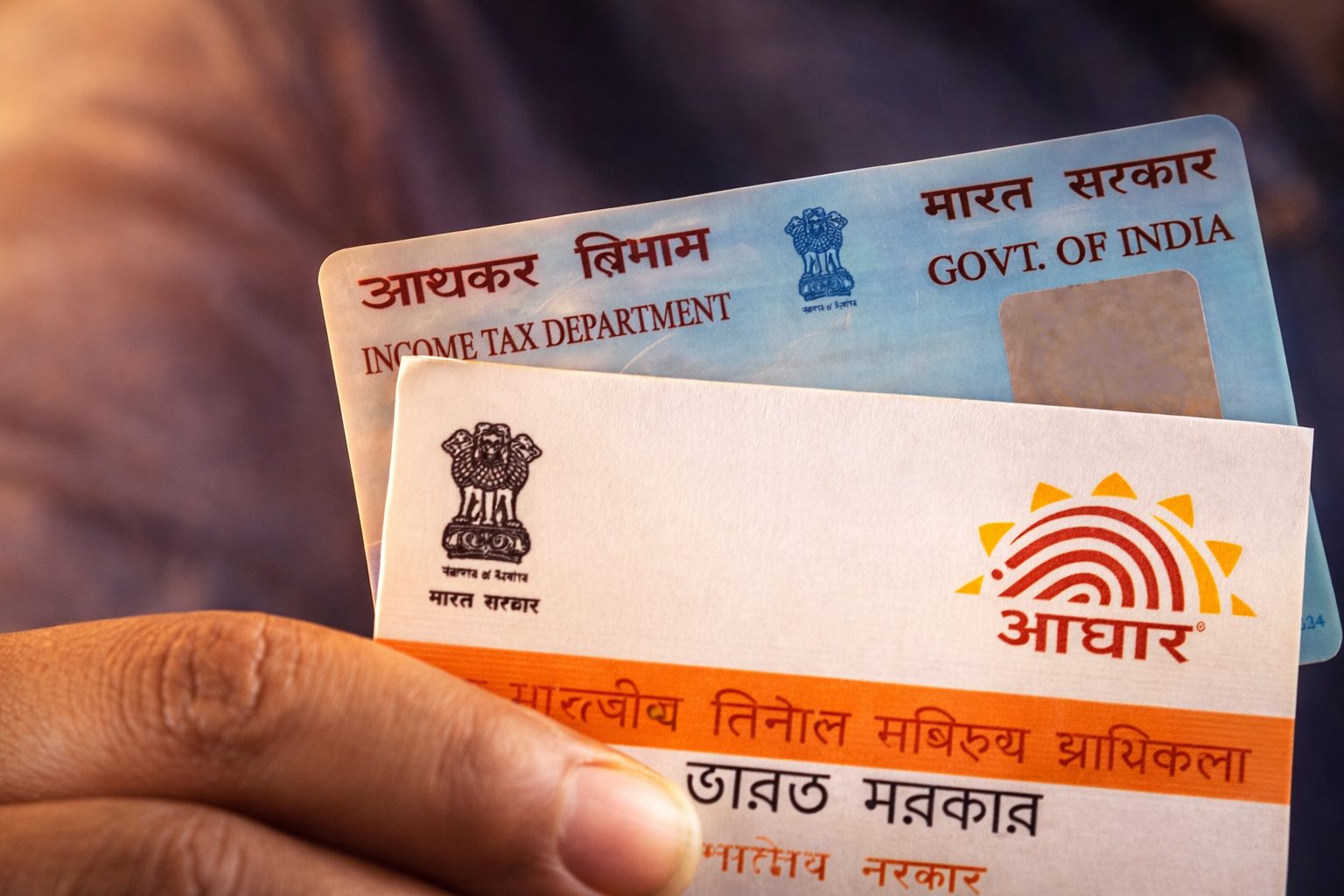
New Delhi | December 25, 2025 — India’s year-end compliance calendar has turned into a high-stakes checklist for taxpayers and retirement savers. With just days left in 2025, three separate threads are converging: the PAN–Aadhaar linking deadline of December 31, 2025, the last date to file revised/belated income-tax returns for FY 2024–25 (AY 2025–26), and a National Pension System (NPS) Scheme A migration window that closes today (December 25). The Times of India
What’s changed this week is the urgency — and the ripple effects. Fresh updates published on December 25 highlight rising refund anxiety (with tens of lakhs of returns still unprocessed), a widening “NUDGE” campaign from the Income Tax Department, and step-by-step guidance being pushed across major outlets as deadlines approach. The Financial Express
Below is a practical, deadline-focused explainer of what’s happening, who is affected, and what you can do right now — without the jargon.
Why these deadlines suddenly matter to almost everyone
December 31, 2025 is emerging as the single most important date for two reasons:
- PAN–Aadhaar: Certain PAN holders must complete Aadhaar linking by December 31 to avoid their PAN becoming inoperative from January 1, 2026 (which can disrupt key tax and financial workflows). The Times of India
- Income tax corrections: December 31 is also the outer limit for filing a revised return for AY 2025–26, per the Income Tax Department’s own e-filing guidance. Gov
In parallel, December 25, 2025 (today) is the action date for a smaller but important group: NPS Tier I subscribers who are invested in Asset Class/Scheme A and want a free, choice-based switch before the merger transition hardens. Kfintech
PAN–Aadhaar linking deadline: who must act before December 31
A key point that many people are missing: the December 31, 2025 deadline is not a generic “everyone” warning in the same way earlier PAN–Aadhaar deadlines were. The government notification cited in coverage focuses on people who were allotted PAN using the Enrolment ID of an Aadhaar application form filed prior to October 1, 2024, requiring them to intimate/link their Aadhaar number by the end of 2025. Income Tax India
What happens if you miss it? Major outlets and the step-by-step advisories published today reiterate that unlinked PANs can be treated as “inoperative” from January 1, 2026, which can disrupt tax filing, refunds, and many financial transactions where PAN is required. The Times of India
What “inoperative PAN” can disrupt in real life
If your PAN is inoperative, the practical pain points usually show up quickly, especially during tax season and KYC-heavy transactions. News explainers this week highlight knock-on effects such as:
- Trouble using PAN for income-tax return workflows and verification
- Refund delays or blocks, especially where identity matching is required
- Potential higher TDS/TCS treatment in many cases when PAN is treated as “not furnished”
- Friction with new KYC updates and certain financial onboarding steps mint
How to check PAN–Aadhaar link status quickly
You have two fast options:
- Income Tax e-filing portal: Use the “Link Aadhaar Status” option (available as a quick link without needing a full login in many cases). The Times of India
- SMS method: Some explainers note an SMS format to check or initiate linkage using the UIDPAN pattern (as supported in public guidance). Ndtv
If the portal shows the request is “forwarded to UIDAI for validation,” that typically means you’ve initiated it and the verification is pending at UIDAI’s end. The Times of India
How to link PAN with Aadhaar before December 31 (step-by-step)
Multiple December 25 updates emphasize a workflow many taxpayers discover too late: you may have to pay the linking fee first, and then wait for payment confirmation before submitting the final link request. The Times of India
A commonly cited process (as explained in today’s step-by-step guide) looks like this:
- Go to the Income Tax e-filing portal and choose “Link Aadhaar” under Quick Links. The Times of India
- If prompted, complete payment through e-Pay Tax (the guidance mentions selecting payment under “Other Receipts (500)” where applicable). The Times of India
- Note the timing: the payment may take several working days to reflect in the system, which is why the “last week” rush can backfire. The Times of India
- After payment verification, submit the linking request and complete OTP authentication. The Times of India
Important: Different reports describe fee applicability in slightly different ways (often citing a ₹1,000 amount in many delayed-linking situations). The most reliable practical rule is: follow what the e-filing portal prompts for your PAN, because it reflects your specific status. The Times of India
Fixing mismatched PAN–Aadhaar details: the most common blockage
A huge share of “linking failures” aren’t about the deadline — they’re about data mismatch.
Today’s explainers focus on typical mismatches such as:
- Name differences (initials, spelling variations)
- Date of birth mismatch
- Gender mismatch
The fix depends on where the “correct” data is:
- If Aadhaar needs correction, update Aadhaar details through UIDAI channels.
- If PAN needs correction, update PAN details through the PAN service/update route.
This mismatch-resolution theme is repeated across the year-end coverage because it’s one of the biggest sources of last-minute panic. Ndtv
Lost your PAN card or forgot the PAN number? Don’t freeze
A very real December scenario: you’re ready to link, but you can’t find the PAN number.
Recent coverage notes recovery routes such as contacting your jurisdictional assessing officer or using system-based retrieval mechanisms, so you can complete the linking workflow before the deadline pressure peaks. The Economic Times
The other December 31 deadline: revised/belated ITR filings (and why refunds are getting stuck)
December 31 isn’t only about PAN–Aadhaar.
The Income Tax Department’s e-filing help content clearly states that for AY 2025–26, the due date for filing a revised return is 31 December 2025. Gov
Refund anxiety is rising — here are the numbers (as of Dec 25)
A detailed update published on December 25 reports:
- 8.53 crore ITRs filed for the current assessment year
- About 7.80 crore processed
- Leaving ~73 lakh taxpayers still waiting on processing/refund outcomes The Financial Express
That same report attributes slower refunds to intensified analytics-driven scrutiny and timeline slippage from delayed form releases earlier in the year. The Financial Express
The “NUDGE” campaign: why you may be getting SMS/email alerts now
If you’ve received an email or SMS urging you to review deductions/exemptions, you’re not alone.
A press release notes that cases were identified through risk analytics, including situations where invalid PANs of donees (and other errors in deduction/exemption claims) were quoted, and taxpayers are being nudged to correct issues before the December 31 revised-return deadline. Income Tax India
Coverage updated on December 25 frames the campaign as a “trust-first” nudge: taxpayers are being given an opportunity to voluntarily correct claims now rather than face deeper inquiry later. The Times of India
What to do if you got a nudge
Based on the guidance repeated across today’s explainers, the most useful workflow is:
- Compare your return against Form 16 / salary TDS records
- Cross-check AIS/TIS and Form 26AS mismatches
- Revalidate deductions and exemptions (especially high-scrutiny categories like donations, HRA, and other popular claims)
- If anything is off, file a revised return before December 31 The Times of India
Miss December 31? Updated Return (ITR‑U) remains — but it’s not a free redo
Several December 25 explainers stress the same hard truth: after December 31, the “simple” correction path (revised return) closes, and taxpayers may have to rely on the Updated Return route (ITR‑U), where permitted. The Economic Times
An Income Tax Department tutorial explains the updated-return framework, including graded additional tax slabs depending on how late the updated return is filed — commonly described as 25%, 50%, 60%, and 70% (based on the time window from the end of the relevant assessment year). Income Tax India
Just as importantly, the same guidance highlights a major limitation: an updated return generally can’t be used to create or increase a refund, which is why refund-seekers are being urged to correct issues before the December 31 cutoff. Income Tax India
NPS Scheme A deadline today: what’s changing and who needs to act (Dec 25)
While PAN and ITR deadlines dominate headlines, a separate, time-sensitive alert affects certain NPS subscribers today.
A PFRDA communication dated December 13, 2025 states that Asset Class A (NPS Tier I) has been merged into Asset Class E (equity-oriented) and Asset Class C, and Asset Class A will no longer remain available. Kfintech
What happens to existing Scheme A holdings?
The same communication outlines the migration approach:
- Existing Asset Class A holdings are proposed to be shifted to Asset Class C
- REIT unit exposure is proposed to be shifted to Asset Class E
- Intermediaries are to coordinate a “value free transfer” (a no-cost migration) Kfintech
What is the action deadline?
Subscribers are also being given a one-time free option to shift their wealth from Scheme A into other asset classes without additional cost — but only until the end of December 25, 2025. Kfintech
If you’re affected and you want control over where your money lands (rather than default migration logic), today is the day to act.
Your Dec 25–Dec 31 checklist: what to do in the final week of 2025
Here’s a clean, urgency-ranked checklist based on the day’s guidance:
Do today (Dec 25)
- If you’re an NPS Tier I Scheme/Asset Class A subscriber: decide whether to switch before the free-choice window closes. Kfintech
Do next (Dec 26–Dec 31)
- Check PAN–Aadhaar link status and resolve mismatches early. Ndtv
- If payment is required, complete it ASAP (because confirmation can take days). The Times of India
- If you got a tax “NUDGE” email/SMS, don’t ignore it: reconcile claims and file a revised return if needed before Dec 31. The Times of India
- If you’re waiting on a refund, verify whether your return is stuck due to mismatches and fix what you can before the correction window closes. The Financial Express
Bottom line
December 25, 2025 is shaping up as a turning point: NPS subscribers face an immediate Scheme A migration deadline today, while taxpayers are entering the final stretch for PAN–Aadhaar linking and ITR corrections before December 31.
If you do only one thing: log into the Income Tax portal and confirm your PAN–Aadhaar status and your ITR correction needs today — because the last-minute rush is no longer just inconvenient; it can become structurally expensive (or irreversible) once the calendar flips to 2026. The Times of India