
Washington, June 14, 2026, 16:04 (ET).
- The Justice Department has given Paramount Skydance the go-ahead on its planned $110 billion deal for Warner Bros. Discovery, wrapping up an antitrust review that ran about eight months.
- Approval clears a big U.S. federal hurdle but leaves the deal under review by states, the FCC, the U.K., and the European Union.
- The deal would change Hollywood and streaming, combining Paramount, Warner Bros., CBS, CNN, HBO Max and Paramount+ under a single company.
Paramount Skydance got the go-ahead from the U.S. Justice Department’s Antitrust Division for its planned Warner Bros. Discovery deal. The agency said the merger won’t hurt competition or consumers in streaming, linear TV, or film production and distribution. The Antitrust Division said it looked at over 2 million documents from more than 80 custodians, plus data and industry feedback.
U.S. regulators have cleared David Ellison’s Paramount Skydance to go ahead with its planned tie-up, marking a key step in what could be one of the biggest media deals in recent memory. Reuters put the acquisition at $110 billion, but some reports said it’s closer to $111 billion once debt and equity are included. The Justice Department reviewed the deal for months, weighing if it would cut competition across streaming, TV, and studios.
Regulators bought Paramount’s case that merging Paramount+ with Warner Bros. Discovery’s HBO Max and Discovery+ could build a rival to the bigger streaming players. The DOJ said the deal isn’t likely to damage traditional TV. It pointed to plenty of competition in live sports, news, and politics, and said Disney, Sony, Universal, Lionsgate, Amazon MGM, A24, Netflix, Apple, and other studios all still add pressure in the film business.
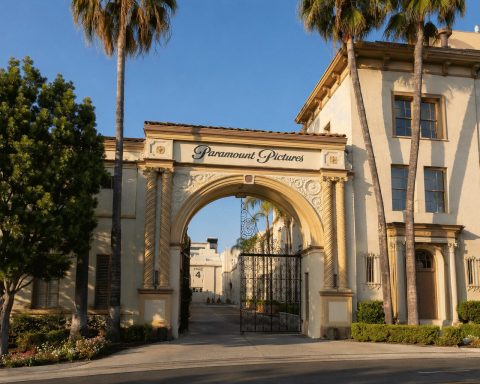
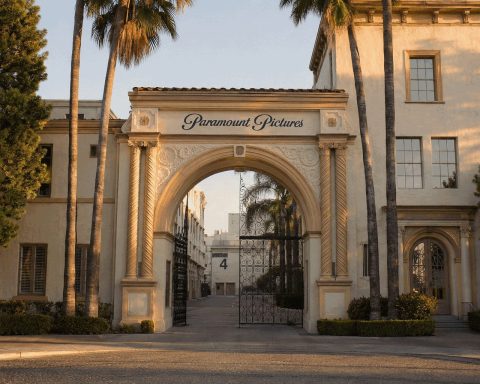
If the deal goes through, Paramount Pictures and Warner Bros. would be under the same roof. The move also puts CBS, CNN, HBO Max and Paramount+ together. Backers say putting these pieces together could mean a stronger presence in streaming, where bigger companies dominate. But critics argue the scale could lead to job cuts, fewer places to sell creative work, and less diversity in film and TV stories.
Justice Department clearance isn’t the final step for the deal. DOJ gave the green light with no conditions, Axios said, but other regulators still need to sign off. The U.K. Competition and Markets Authority is looking at the deal and has until August 7 to decide on a deeper probe. The European Commission is also reviewing it, including under foreign-subsidy rules because of Gulf sovereign wealth fund support.
The Federal Communications Commission in the U.S. is still reviewing a petition on foreign interests tied to the deal’s debt, Reuters reported. Some Democratic senators flagged Middle Eastern sovereign wealth funds and Tencent, a company from China, as potential issues. Paramount said any new foreign investors would get non-voting equity and wouldn’t have a say in editorial calls.
State opposition may turn into the main U.S. holdup for the deal. California, New York and some other states have been working on a possible lawsuit to stop the merger, Reuters said this month. California Attorney General Rob Bonta said his office is still looking at the proposed merger.
Paramount and Warner Bros. Discovery said earlier they were aiming to close the deal in the third quarter. AP reported Paramount will pay shareholders if the deal misses the September 30 deadline and has signed up for a $7 billion breakup fee, adding pressure to wrap up remaining regulatory reviews.
Related articles: NASDAQ:WBD




![Asia Stock Market Today 28/08/2026 [UPDATE: 00:51 SGT] [Salesforce Leads KASE Global Into Final Minutes After Asia’s Split Close]](https://ts2.tech/wp-content/uploads/2026/08/Asia-market-dashboard-2026-08-28-0051-480x384.jpg "Asia Stock Market Today 28/08/2026 [UPDATE: 00:51 SGT] [Salesforce Leads KASE Global Into Final Minutes After Asia’s Split Close]")