
NEW YORK, July 17, 2026, 16:08 EDT
- Plaintiffs say the estimate includes no fewer than 106 projects, close to 30 GW and over $47 billion in investment.
- Federal offshore lease buybacks have committed $2.6 billion. California has contested an Invenergy deal valued at over $111 million.
- U.S. markets are shut for regular trading. GE Vernova NYSE:GEV climbed nearly 2% on Friday, though it declined around 3% over the week.
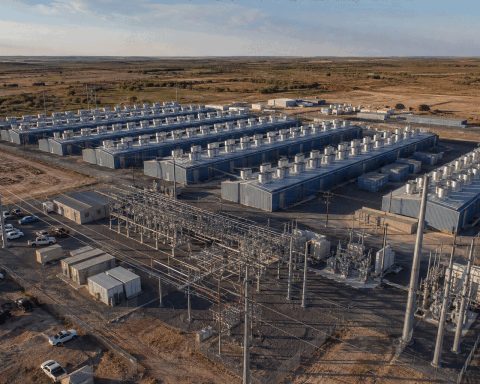
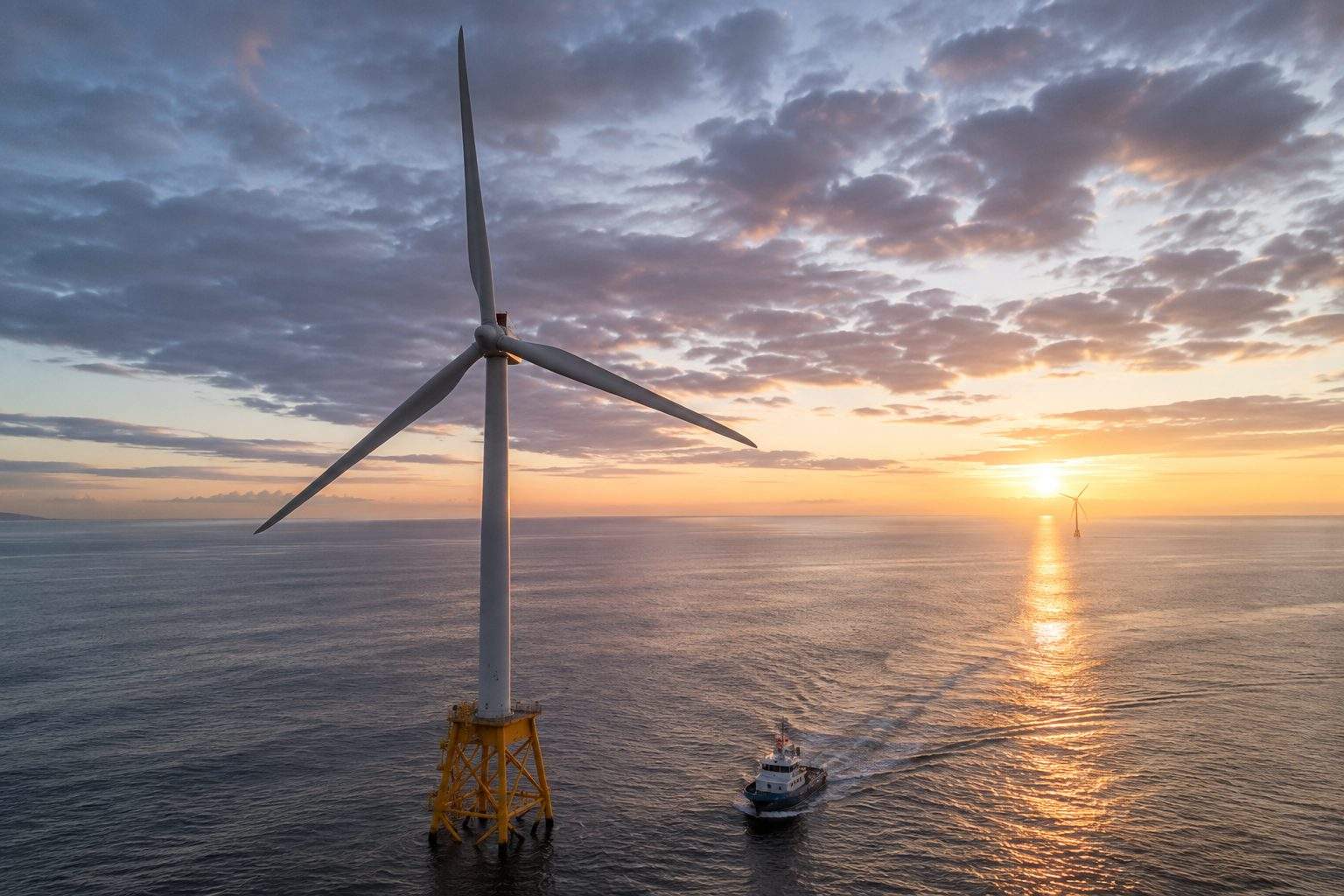
A Pentagon review halt is holding up onshore wind developments tied to more than $47 billion in projected investment, over 18 times the amount the federal government has pledged to repurchase offshore leases.
The gap is significant for investors. Buyouts have the potential to provide capital back to leaseholders. However, delays in reviews may stall turbine orders in 21 states.
The stalled projects represent close to 30 GW, which, according to Reuters calculations, is approximately 18.6% of the current 161-GW onshore fleet.
GE Vernova holds the largest onshore turbine installed base in the United States. Shares rose on Friday, though they ended the week down. The NYSE core session ended at 4 p.m. EDT.
Oregon and attorneys general from 18 other states filed a motion Thursday seeking to participate in the lawsuit. They are asking the court to resume standard Pentagon reviews of land-based development projects.
The Pentagon reports its siting office is actively reviewing projects. It states that the process requires balancing military needs with energy development.
Plaintiffs submitted an analysis by Charles River Associates providing the onshore figures. The project tally is conservative and does not represent a finalized federal inventory.
| Measure | Reported scale | Reporter comparison |
|---|---|---|
| Plaintiffs’ estimate for postponed onshore investment | Above $47 billion AP News | Over 18.1 times the value of buyback commitments |
| Plaintiffs’ estimate for postponed onshore capacity | Close to 30 GW out of a total 161-GW fleet AP News | Roughly 18.6% of total installed capacity |
| Offshore lease buyback commitments | $2.6 billion California DOJ Attorney General | Below 5.6% of the estimated delayed onshore investment |
Figures are rounded from the source. The comparison is based on policy scale, not anticipated shareholder losses.
The projected investment stands at about $1.6 million for each megawatt, covering turbines, contractor fees, financing, and grid-queue expenses.
Order conversion is now in the spotlight. GE Vernova saw an 85% rise in organically measured first-quarter wind orders, boosted by an easy comparison. Organically, wind revenue dropped by 25%. These numbers do not clarify how much of its backlog is from postponed projects.
Management continues to project a low-double-digit decrease in wind revenue for the year, alongside an anticipated segment EBITDA loss of roughly $400 million. In April, CFO Ken Parks referred to “continued business momentum” when increasing the group forecast. Wind was the exception. SEC
Offshore leaseholders are encountering a separate scenario. California has granted Interior and Invenergy 60 days to reverse a Morro Bay buyout valued at over $111 million.
Invenergy spent over $111 million for as much as 2 GW in 2022. Under the new deal, a comparable investment must be made in fossil-fuel or geothermal initiatives.
Attorney General Rob Bonta said, “Using taxpayer money to strike backroom buyouts that make clean-energy projects disappear is illegal.” The attorney generals of eight states contested three Invenergy buyouts amounting to $653 million. California DOJ Attorney General
TotalEnergies NYSE:TTE demonstrates how buybacks can help stabilize diversified developers. The company secured a $795 million reimbursement tied to a New York-area lease, and is shifting almost $1 billion to a Texas LNG facility and U.S. drilling. States are contesting the agreement.
The defense matter is genuine. Turbine blades are capable of generating radar interference, giving the Pentagon authority to block certain locations. Federal judges examined classified material and permitted five offshore wind projects on the East Coast to continue.
Retired Vice Admiral Dennis McGinn stated that national security and offshore wind projects are compatible in appropriate locations. Economist Diana Furchtgott-Roth emphasized that military considerations warrant careful attention.
GE Vernova will announce its second-quarter results on July 22 at 7:30 a.m. EDT. California’s 60-day cure window will remain open through that time frame. Investors are focused on onshore orders, wind segment margins and any updates to court filings.
Risks are balanced. Legal actions could resume, leading courts to reassess and possibly cancel buyouts, which could revive the projects. However, an extended pause would delay turbine shipments and push back earnings.
For investors, lease-related headlines show the lower figure. The bigger challenge to supplier backlogs is the 30-GW onshore queue.