
New York, June 22, 2026, 16:02 EDT
- The Dow Jones Industrial Average (.DJI) gained 145.10 points, or 0.28%, to finish at 51,709.80. The Nasdaq dropped over 1% with megacap tech stocks lower.
- Alphabet fell, weighing on tech, while gains in Caterpillar and Visa put the Dow out ahead as indexes diverged.
- It wasn’t just falling oil prices. A power deal between Chevron and Microsoft sent some investors looking at AI-related industrial demand, with Caterpillar’s Solar Turbines unit in focus.
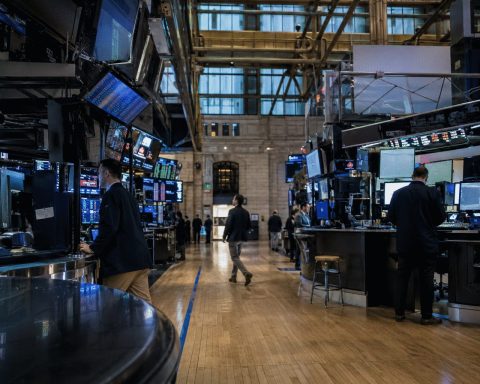
Dow Jones Industrial Average (.DJI) finished up on Monday, outperforming the S&P 500 and Nasdaq as traders moved into industrials and banks and took profits in Alphabet and other big tech stocks. The Dow added 145.10 points to end at 51,709.80 after the closing bell. It was the index’s first full day of trading since the Juneteenth market holiday on Friday.
The Dow Jones Industrial Average (.DJI) works unlike the Nasdaq. The Dow has 30 stocks and is price-weighted—stocks with higher prices swing it more, even if they’re smaller companies. That design let the Dow hold up better than tech this week.
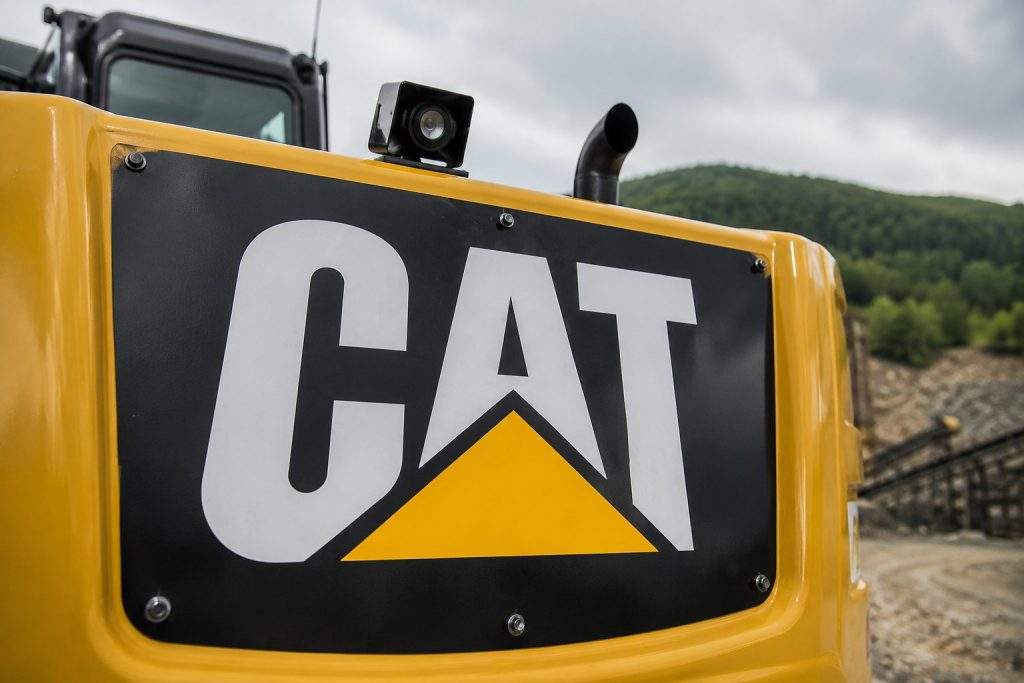
Caterpillar NYSE:CAT crossed $1,000, trading above that mark for the first time. According to MarketWatch, Caterpillar and Visa NYSE:V made up almost a third of the Dow’s gains early in the session. So only a few high-priced blue chips gave the Dow a boost, while the Nasdaq took the hit from falling megacap tech.
Chevron NYSE:CVX said it reached a deal with Microsoft NASDAQ:MSFT to build a natural gas power plant for a West Texas data center. Most of the electricity will come from GE Vernova NYSE:GEV turbines, while Caterpillar’s Solar Turbines will help with extra generation. This shifts some AI spending away from just software toward industrial equipment.
Tech names weighed on the market. Alphabet NASDAQ:GOOGL slumped 5.5%. Shares of Meta Platforms NASDAQ:META, Amazon NASDAQ:AMZN, and Microsoft lost between 2% and 4.2%, dragging the S&P 500’s communication-services sector down 4%. “This is a very sentiment-driven sector,” Bill Northey, senior investment director at U.S. Bank, said. Reuters
Oil lent some backing, though it was shaky. Brent crude dropped 3.38% to $77.90 as signs of progress in U.S.-Iran talks hit prices. That kind of move tends to benefit consumers and transport-driven sectors. The 10-year Treasury yield still climbed to around 4.51%, putting more weight on pricey stocks that need strong future earnings.
Fed rate worries stick out. Markets are betting on a 25-basis-point hike in September, according to LSEG data cited by Reuters. That’s a quarter point. Gerry Sparrow, chief investment officer at Sparrow Capital Management, told Reuters the market was “somewhat surprised” by the new Fed chair’s move. Reuters
Inflation watchers are looking to Thursday, when the Commerce Department releases May Personal Consumption Expenditures data, the inflation gauge favored by the Fed. The Bureau of Economic Analysis said the next Personal Income and Outlays report comes out June 25 at 8:30 a.m. EDT. The latest update on its PCE page showed April inflation was up 3.8% year over year.
Dow’s bullish move has a ceiling. Higher inflation, rising Treasury yields, or a snag in U.S.-Iran talks could push oil higher and stall the shift into industrials in a hurry. Since it’s a price-weighted index, what helps—like Caterpillar’s run—can also pull it down if those high-priced names fall.
AI stocks aren’t out, but leadership is shifting. Traders sold some of the big software and platform names and went for machinery, power players, and balance-sheet heavyweights. The bet is data center spending could shift from chips and code to turbines, wires, and construction if it keeps up.
Related articles: NASDAQ:META
![US Stock Market Today 08/23/2026 [UPDATE: 08:13 EDT] [Nvidia and PCE Face a Bond-Stressed Market: Weekly Recap and Week Ahead]](https://ts2.tech/wp-content/uploads/2026/08/US-market-dashboard-2026-08-23-0810-480x384.jpg "US Stock Market Today 08/23/2026 [UPDATE: 08:13 EDT] [Nvidia and PCE Face a Bond-Stressed Market: Weekly Recap and Week Ahead]")