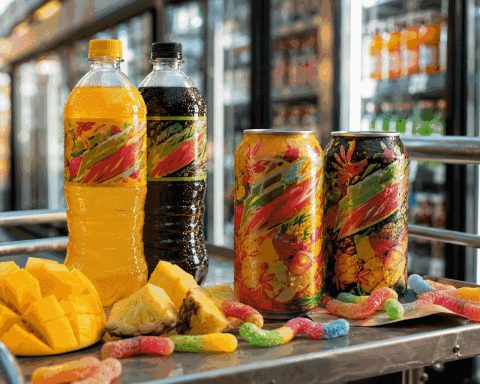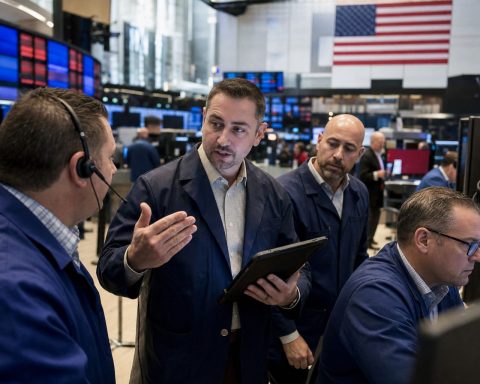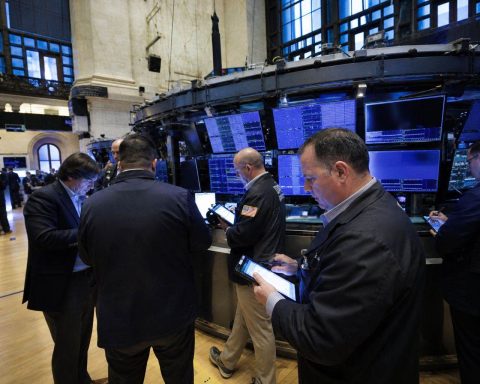

- Earnings Beat, Mixed Sales: PepsiCo’s fiscal Q3 2025 adjusted EPS came in at $2.29, topping consensus ($2.26), while revenue rose 2.7% to $23.9 billion, slightly above forecasts seekingalpha.com. However, organic sales (which strip out currency and M&A effects) grew just 1.3%, missing analysts’ ~2% target seekingalpha.com. U.S. demand for snacks and sugary sodas weakened, dragging on volume growth bloomberg.com, even as price hikes and international markets drove overall sales gains.
- Soft U.S. Demand, Strong International: PepsiCo saw North American volumes drop (foods −4%, beverages −3% in Q3 investors.pepsico.com) amid consumer belt-tightening and shifting tastes. International units offset some weakness – e.g. Europe/Middle East/Africa organic revenue jumped ~5.5% investors.pepsico.com. CEO Ramon Laguarta highlighted “the resilience of our international business” and “improved momentum within North America Beverages” as key positives investors.pepsico.com. The company noted U.S. shoppers are increasingly seeking affordability, healthier ingredients, and portion control, pressuring traditional snack sales nasdaq.com.
- 2025 Guidance Reaffirmed: Despite headwinds, PepsiCo reiterated its full-year forecast, still expecting low-single-digit organic revenue growth and roughly flat core constant-currency EPS for 2025 investors.pepsico.com. Executives are doubling down on cost cuts and innovation to hit these targets. “Our top priorities are to accelerate growth and aggressively optimize our cost structure,” Laguarta said, citing a pipeline of new products and value-focused pricing to entice consumers investors.pepsico.com. Favorable foreign exchange trends are now expected to slightly boost full-year profit as well investors.pepsico.com.
- Leadership Shake-Up: PepsiCo announced it is appointing Walmart U.S. CFO Steve Schmitt as its new Chief Financial Officer, effective Nov. 10, replacing veteran exec Jamie Caulfield reuters.com. The C-suite change, unveiled alongside earnings, signals a renewed focus on operational efficiency and financial discipline. Analysts note Schmitt’s experience with Walmart’s scale and cost controls could aid PepsiCo’s margin-improvement efforts.
- Stock Reaction & Outlook: PepsiCo shares initially rose ~2% on the earnings news in pre-market trading seekingalpha.com. The stock has lagged in 2025 – down about 8.7% year-to-date vs. a ~15% gain for the S&P 500 as of this week morningstar.com – but investors have warmed up due to PepsiCo’s defensive profile and dividend. (Notably, on recent market sell-off days, consumer staple stocks like PepsiCo and Coca-Cola have been relative safe havens, “up about 0.5% each” while high-growth tech names tumbled ts2.tech.) Going forward, Wall Street is watching whether PepsiCo can reinvigorate U.S. sales and execute on cost cuts. An activist investor’s push for dramatic changes – including a possible bottling spinoff – underscores both the pressure and potential for PepsiCo to improve performance reuters.com reuters.com.
Q3 Earnings: Small Beat Hides Big Shifts
PepsiCo’s third-quarter results delivered a mixed bag. On the headline numbers, the snack and beverage giant slightly beat Wall Street expectations – a welcome surprise given tempered forecasts. Core earnings per share of $2.29 edged past consensus, and net revenue of $23.9 billion marked modest growth seekingalpha.com. The company managed this top-line increase despite flat to declining volumes, thanks largely to higher pricing and strength outside the U.S. “Our reported net revenue growth accelerated and reflects the resilience of our international business [and] improved momentum within North America Beverages,” CEO Ramon Laguarta noted investors.pepsico.com. In fact, the PepsiCo Beverages North America unit eked out 2% organic sales growth in Q3 despite lower soda volumes, as brands like Pepsi Zero Sugar and Gatorade benefited from marketing pushes and new formulations.
However, beneath the earnings “beat” was a sign of softening demand on PepsiCo’s home turf. The company’s organic revenue – which adjusts for currency swings and acquisitions – rose just 1.3%, well below the ~2% growth analysts had anticipated seekingalpha.com. This shortfall was driven by a pullback in U.S. snack and drink consumption, which weighed on results even as emerging markets and Europe posted healthier gains. PepsiCo confirmed that North America Foods (Frito-Lay snacks and Quaker products) saw volumes fall by mid-single digits, and North America Beverages volumes dropped in the low-single digits in Q3 investors.pepsico.com. In plain terms, Americans bought fewer chips and sodas than they did a year ago – a notable turnaround after a period of strong pricing-led growth.
Several factors are behind the U.S. sales slump. Sticky inflation and higher prices for PepsiCo’s products have likely curbed consumer purchase quantities, as shoppers become more price-conscious. PepsiCo’s leadership itself has acknowledged “subdued category demand” in core snack segments and “evolving consumer preferences” in the North American market nasdaq.com. Those changing tastes have consumers gravitating toward bolder flavors, “permissible” (healthier) ingredients, and portion-controlled snacks nasdaq.com – trends that can hurt volume if legacy brands don’t keep up. PepsiCo’s Q3 report also showed operating profit margins under pressure, down about 60 basis points year-over-year on a core basis investors.pepsico.com, as cost inflation (for ingredients, transport, labor) remained a headwind nasdaq.com.
Perhaps the most buzzed-about new challenge for companies like PepsiCo is the rise of GLP-1 weight-loss drugs (e.g. Ozempic, Wegovy), which suppress appetite. These medications have exploded in popularity and are reportedly already “cutting into the profits of snack makers” by reducing how much people eat or drink aol.com. While PepsiCo’s management downplays any immediate impact, the Q3 volume declines in soda and convenience foods have investors debating if a secular consumption shift is afoot. On the earnings call, analysts pressed executives on this issue – whether Americans’ changing eating habits (for any reason, be it health consciousness or weight-loss drugs) will force a recalibration of PepsiCo’s growth strategy.
U.S. Consumers Tap the Brakes – PepsiCo Responds
PepsiCo isn’t sitting idly as U.S. demand softens. The company has been refreshing its product lineup and marketing to better align with what consumers want now. That means more emphasis on healthier, innovative offerings and value propositions. For example, PepsiCo has invested in reformulating flagship brands with “cleaner” labels (i.e. fewer artificial additives) and expanding better-for-you sub-lines. “Preferences are shifting toward bold flavors, permissible ingredients and portion control,” the company observed, so PepsiCo is “accelerating innovation [and] restaging major brands like Lay’s and Tostitos with cleaner labels, and scaling platforms such as Simply and Sun Chips” to meet demand for healthier snacks nasdaq.com. The Simply and SunChips lines – which feature whole grains, lower sodium, or no artificial ingredients – have been standouts in appealing to nutrition-conscious shoppers.
PepsiCo also highlighted that it now generates over $2 billion in annual revenue from its “permissible snack” portfolio (products marketed as healthier alternatives) nasdaq.com. This includes things like baked or low-fat chips, veggie crisps, and hummus-based dips. That scale gives PepsiCo a foothold in the wellness trend, and the company believes it is “well-positioned to capture additional share in the health-conscious food category” going forward nasdaq.com. In beverages, PepsiCo similarly is leaning into zero-sugar sodas, flavored waters, and energy drinks, which continue to grow even as traditional full-sugar soda sales stagnate. Notably, zero-calorie Pepsi Zero Sugar saw double-digit volume growth earlier in the year after a reformulation and big marketing campaign, helping offset declines in regular colas.
Another lever PepsiCo is pulling to entice cautious consumers is strategic pricing and pack sizes. After multiple rounds of price hikes (to cover inflation) in 2022–2023, the company has signaled it’s moving to a more nuanced approach: offering a range of package sizes and price points to give consumers “value” options. As CEO Laguarta put it, PepsiCo is “continuously sharpening our price-pack architecture to provide good value to consumers” investors.pepsico.com. This means you might see smaller package snacks at lower absolute prices or bulk deals that make the unit cost cheaper, aiming to win back budget-sensitive shoppers who cut back when everything got more expensive. PepsiCo’s ability to find the sweet spot between protecting margins and keeping its products affordable will be key to re-accelerating volume growth in North America.
It’s not all doom and gloom in the U.S., either. Some PepsiCo brands are still growing share or showing resilience. The company noted strength in beverages like Gatorade (boosted by new flavors and a zero-sugar line) and in niche brands like SodaStream (at-home carbonation) and Poppi, a fizzy prebiotic soda aimed at Gen Z that PepsiCo acquired in August. And even as many consumers pull back on discretionary purchases, the “affordable treat” aspect of snacks and drinks can’t be overlooked – a pack of chips or a bottle of cola is a small indulgence many are unwilling to forgo entirely. This dynamic often makes large food/beverage companies relatively defensive during economic slowdowns. Indeed, market analysts point out that staples like PepsiCo can perform well when investors get nervous about the economy or high-flying tech stocks. For example, during a late-September market selloff, PepsiCo’s stock actually ticked up as investors rotated into defensive names (PepsiCo and Coke each rose ~0.5% that day) ts2.tech. This underlines PepsiCo’s appeal as a stable, cash-generating business even amid short-term headwinds.
Cost Cuts, New CFO, and Activist Pressure
Facing profit squeezes and slower growth at home, PepsiCo’s leadership has been cranking up cost-cutting initiatives. In recent months the company undertook measures like closing certain plants, reducing headcount, and trimming excess supply chain expenses nasdaq.com. These moves, while painful, are intended to “right-size” the cost base – freeing up funds to invest in marketing and new products, or to preserve earnings if sales stay sluggish. Thus far, cost cuts haven’t fully offset the inflationary drags (as seen by the margin dips), but PepsiCo indicated this remains a top focus. “Accelerating our cost management” was explicitly mentioned by executives as part of the game plan for the rest of 2025 investors.pepsico.com. The goal is to become leaner and more efficient, so that even modest revenue gains translate into better profit growth.
It’s in this context that PepsiCo announced a high-profile leadership change: long-time CFO Hugh Johnston (who had served since 2010) is being succeeded by Steve Schmitt, an executive poached from Walmart’s finance team reuters.com. Schmitt, who was Walmart U.S. CFO, brings expertise from the world’s largest retailer – known for its razor-thin margins and intense cost discipline. His appointment suggests PepsiCo is doubling down on operational and financial rigor. Analysts at Bernstein praised the hire, noting that Schmitt’s background aligns with Pepsi’s need to navigate a challenging cost environment while still investing in growth. The transition will take effect in November, and investors will be watching closely to see if any strategic shifts or fresh efficiency initiatives come with the new CFO. At the very least, it indicates PepsiCo’s board is serious about rejuvenating performance and perhaps open to new ideas.
They may need all the fresh ideas they can get – because an activist investor is now in the mix pushing for more aggressive action. In September, Elliott Investment Management, a well-known activist hedge fund, disclosed a $4 billion stake in PepsiCo and put forward a bold plan to boost shareholder value reuters.com. Chief among Elliott’s proposals: PepsiCo should consider spinning off its beverage bottling operations into a separate company, emulating a strategy Coca-Cola successfully executed years ago reuters.com reuters.com. PepsiCo currently owns many of its U.S. bottling facilities (a legacy of re-acquiring bottlers in 2010), which helps control distribution but ties up capital and, according to Elliott, drags down profit margins. Elliott’s detailed 75-page presentation argued that refranchising (i.e. selling off) those bottlers could “increase PepsiCo’s margins” and allow management to focus on higher-growth snacks and beverage brands reuters.com reuters.com. The hedge fund also urged PepsiCo to cut “sleepy” brands like Quaker Oats if they can’t be revitalized, and generally to streamline operations and “ditch” underperforming products to concentrate on winners reuters.com reuters.com.
PepsiCo’s leadership has responded diplomatically – acknowledging Elliott’s input and noting an “active dialogue” is ongoing reuters.com – but hasn’t committed to any major breakups. Some long-term shareholders are skeptical of Elliott’s spin-off idea, warning it could be a costly, multi-year distraction. “It seems unlikely that the current management team has the readiness to refranchise,” said Kai Lehmann of Flossbach von Storch, one of PepsiCo’s top investors, adding that while splitting off bottling sounds attractive, “it would hurt margins for some time” due to the upheaval and lost revenues during the transition reuters.com. In fact, when Coca-Cola refranchised its bottlers (a process that took 5+ years), its sales and profits temporarily dipped before margins later improved reuters.com. This suggests there’s no free lunch – even if Pepsi ultimately follows Elliott’s playbook, the short-term pain would have to be managed.
Still, the very presence of Elliott has put pressure on PepsiCo’s management to show urgency. The hedge fund signaled that the status quo is “not acceptable” reuters.com, given PepsiCo’s share price stagnation. (Notably, PEP stock was down nearly 20% in the 12 months before Elliott’s stake was revealed reuters.com, underperforming most peers in the consumer staples sector.) In response, PepsiCo is touting that it is already moving in the right direction – pointing to its ongoing productivity program, recent acquisitions (like healthier snack maker Siete Foods), and improved beverage trends. The company’s reaffirmed full-year guidance can be seen as a bit of pushback to skeptics: despite all the challenges, PepsiCo insists it will meet its 2025 targets and eventually get back to a sustainable mid-single-digit growth algorithm. Whether that will be enough to placate activists, or if more dramatic restructuring is on the horizon, will likely depend on performance over the next few quarters. The incoming CFO Schmitt will have an important role in this narrative as well, potentially injecting new ideas that could overlap with some of Elliott’s recommendations (for example, a sharper eye on capital returns or portfolio focus).
Market Reaction and Future Prospects
Thus far, investors have reacted with cautious optimism to PepsiCo’s Q3 report. The stock ticked higher after the earnings release (up roughly 1–2% in early trading) seekingalpha.com, suggesting relief that results weren’t worse and encouragement that management is tackling issues head-on. PepsiCo also maintained its quarterly dividend – a cornerstone for many shareholders – and its current yield remains attractive relative to bonds. That said, PepsiCo’s stock is still well off its highs around $177 seen late last year nasdaq.com. At roughly $140–$145 per share recently, PEP trades at about 17× forward earnings, a notable discount to the broader market (S&P 500 ~23×) nasdaq.com. This lower valuation indicates that investors have dialed back their growth expectations for PepsiCo amid the volume slowdown and margin pressures. In other words, the market is in “wait and see” mode – acknowledging PepsiCo’s stable fundamentals and defensive qualities, but not yet willing to pay a premium until there’s clearer evidence of reaccelerating growth or margin improvement.
Looking ahead, PepsiCo’s forecast for the rest of 2025 is essentially to hold the line: low-single-digit organic revenue gains and roughly flat earnings (in constant currency) versus last year investors.pepsico.com. Achieving that will require a decent holiday snack season and continued strength in overseas markets to counter any U.S. weakness. There are some reasons for confidence. Internationally, demand remains robust in sectors like beverages – e.g. PepsiCo’s developing/emerging markets delivered mid to high-single-digit growth in Q3 investors.pepsico.com, and the company is investing in distribution and marketing in markets like India, Brazil, and Africa where a growing middle class is buying more packaged foods and drinks. Moreover, certain input costs (like some commodity ingredients) have begun to ease, which could eventually relieve margin pressure if not offset by higher wages or other costs.
Analysts’ take: Many analysts are cautiously optimistic that PepsiCo can navigate the current challenges, but they aren’t expecting a quick return to blockbuster growth. Morningstar’s Tomi Kilgore noted that PepsiCo has underperformed in 2025 in part because investors flocked to tech and growth stocks, but believes the pendulum could swing back to defensive names if economic uncertainty rises morningstar.com. Meanwhile, research firm Zacks highlighted PepsiCo’s strong points – its “diverse product portfolio and global presence” – but also flagged “inflationary pressures, operational challenges in North America and shifting consumer behavior” as ongoing risks nasdaq.com nasdaq.com. In sum, PepsiCo is not out of the woods yet in terms of U.S. demand or cost inflation, so near-term earnings growth may be muted.
The good news: PepsiCo has proven resilient through many cycles, and it isn’t standing still. The company’s ability to adapt (new products, marketing pivots, cost cuts) should not be underestimated. As Barclays analysts put it in a note, PepsiCo still has “multiple levers” to pull to deliver value – from pricing strategies to possible portfolio tweaks – even if the era of easy volume gains is over. Indeed, despite recent bumps, PepsiCo’s track record of steady dividends and global brand strength provides a “reassuring backdrop” for investors nasdaq.com. One analyst summed it up well: PepsiCo isn’t a fast grower right now, but it remains a stable franchise. If the company can execute on its plans – reinvigorating U.S. sales, managing costs, and maybe heeding some of the activist’s advice to streamline – there’s a good chance the stock’s performance will improve. Some on Wall Street even see the current valuation as an opportunity, arguing that PepsiCo “appears well-positioned for investors seeking a blend of stability, innovation and long-term growth potential” at a reasonable price nasdaq.com.
Bottom line: PepsiCo’s Q3 2025 results showed it can still beat expectations, but also spotlighted the challenges of a changing market. The company is straddling a fine line – boosting profitability and reinvigorating sales, all while keeping prices palatable for consumers who are watching their wallets (and maybe their waistlines). With a new CFO inbound and an activist investor on its back, PepsiCo is under pressure to deliver. The coming quarters will reveal whether this beverage-and-snack behemoth can truly adapt its recipe for sustained growth, or if more dramatic shake-ups are on the menu. For now, PepsiCo has bought itself some time with a decent quarter and a steadfast outlook – and in a world of economic uncertainty, sometimes steady and strategic is exactly what investors crave.
Sources: PepsiCo Q3 2025 Earnings Release investors.pepsico.com investors.pepsico.com; Bloomberg News bloomberg.com; CNBC/StockAnalysis stockanalysis.com; Seeking Alpha seekingalpha.com; Reuters (CFO announcement) reuters.com; Reuters (activist plans) reuters.com reuters.com; Nasdaq/Zacks analysis nasdaq.com nasdaq.com; Yahoo/Fortune via AOL (GLP-1 impact) aol.com; TS2 Finance News ts2.tech; MarketWatch/Morningstar morningstar.com.