
NEW YORK, March 12, 2026, 17:21 EDT
- Transocean slipped 3.5 cents to $6.28 late Thursday in U.S. trading. Energy was the lone S&P 500 sector closing in positive territory.
- Investors juggle a war-fueled crude rally with Transocean’s $5.8 billion all-stock acquisition of Valaris still in the works, plus about $6.1 billion in current backlog.
- Volatile oil prices and delays in pulling off the merger stand out as the primary risks to a clearer re-rating in the stock.
Transocean Ltd shares slipped 3.5 cents to $6.28 late Thursday in U.S. trading, holding up better than most even as Wall Street sold off after new tanker attacks in the Gulf pushed crude prices sharply higher. Energy stood out as the only S&P 500 sector to finish in the green. WTI crude surged 9.7%, and Brent briefly hit $100 a barrel.
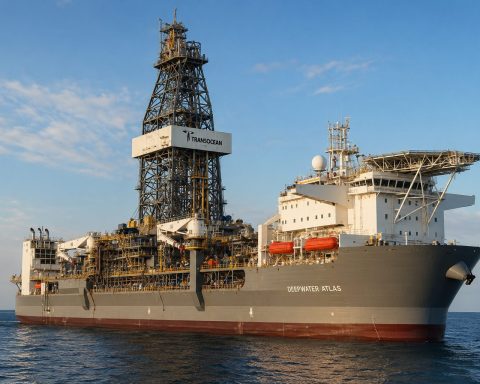
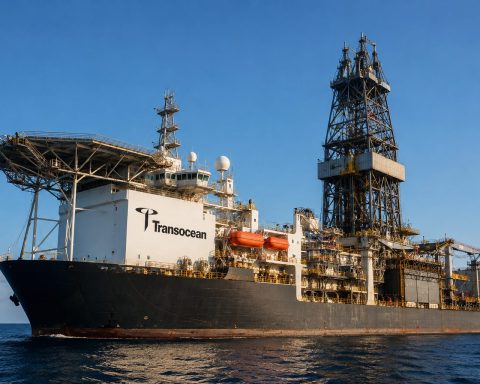
That stability counts right now. With Transocean moving to acquire Valaris in an all-stock transaction valued at $5.8 billion, the company has turned into a proxy for offshore drilling demand. Investors are probing if the current oil shock will extend the offshore cycle—or just add fresh swings to a deal already loaded with leverage.
Conditions kept worsening, with Ryan Detrick of Carson Group remarking, “there hasn’t been safe sector outside of energy.” The International Energy Agency, meanwhile, described the Middle East conflict as responsible for the largest oil supply disruption ever. Executive Director Fatih Birol called it an “extremely critical period.” Reuters
Company fundamentals are looking stronger. On Feb. 20, Transocean reported a backlog of about $6.1 billion—future revenue secured through rig contracts—after picking up roughly $610 million in new business. The company projected 2026 contract drilling revenue between $3.8 billion and $3.95 billion. For 2025, adjusted EBITDA climbed 19% to $1.37 billion, and debt principal dropped to $5.686 billion.
The Valaris merger would bring together 73 rigs and generate a combined backlog near $10 billion. Transocean claims it’s identified over $200 million in potential cost synergies from the deal. The company also says leverage could shrink, with debt-to-cash earnings dropping to roughly 1.5x within two years after closing.
This is the competitive angle. When the deal came out, Wood Mackenzie principal analyst Leslie Cook said the combination would cement Transocean’s dominance in high-spec ultra-deepwater rigs, while also vaulting it into the top five for jackup rigs, which are used in shallower waters. The merger terms: Valaris shareholders are set to get 15.235 Transocean shares for every Valaris share. If the transaction wraps up in the back half of 2026, Transocean’s current investors would own about 53% of the merged company.
Still, pricier crude doesn’t automatically boost rig bookings. Patterson-UTI CEO Andy Hendricks pointed out this week that drillers want clearer price signals before committing budgets, asking, “What is the true price of oil going to be in six to nine months?” Over at Transocean, the company’s merger filing highlights hurdles like shareholder and regulator sign-offs, customer rights triggered by changes of control, and the costs of putting two businesses together—all flagged as risks to reaping any expected rewards. Reuters
Fresh contract wins keep rolling in. Transocean’s most recent fleet status update lists new deals or exercised options for rigs working off Brazil, Australia, Norway, and Romania. Notably, Deepwater Skyros picked up a six-well contract in Australia, while Deepwater Mykonos secured three wells in Brazil.
The stock sits at a crossroads. Oil prices are up, the balance sheet looks stronger, and the Valaris deal could bring heft. Still, Thursday’s tepid action shows investors aren’t eager to buy just on oil strength—not with war risk, tough financing, and merger hurdles hanging over the story.
Related articles: NYSE:RIG