
New York, May 15, 2026, 13:04 EDT
- MARA dropped about 7.4% to $12.30, while Bitcoin slid 3.3% to $79,222.
- Long Ridge noteholders face a 5 p.m. New York cutoff this Friday to weigh in on MARA’s acquisition proposal.
- MARA reported $174.6 million in first-quarter revenue but recorded a net loss of $1.3 billion—almost all of it tied to fair-value losses on bitcoin.
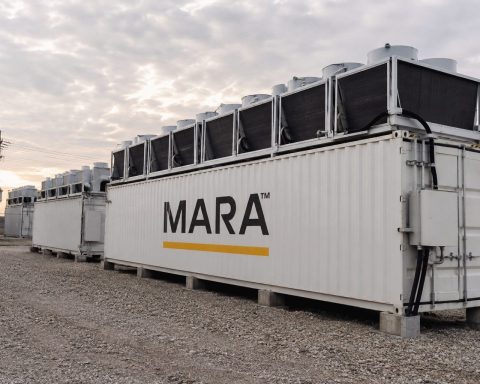
MARA Holdings shares lost ground Friday as bitcoin weakened, with investors eyeing a looming consent deadline from bondholders related to the company’s pursuit of Long Ridge Energy & Power. For the bitcoin miner, snapping up Long Ridge marks a pivotal move into AI-focused power and data center assets.
MARA is pivoting, telling investors it sees better returns in leasing out its vast energy resources as computing power instead of relying solely on bitcoin mining. The idea is getting airtime while the core business continues to wrestle with bitcoin’s volatility, tougher mining difficulty, and the steady costs tied to ramping up infrastructure.
MARA logged $174.6 million in first-quarter revenue, an 18% drop from a year ago, according to its shareholder letter. The company swung to a sharp $1.3 billion loss, with $1.0 billion tied to digital asset fair value changes. It sold 20,880 bitcoin during the quarter at an average price of $70,137 per coin.
The company is seeking the green light from holders of Long Ridge Energy’s 8.750% senior secured notes due 2032 to amend terms that would otherwise trigger a change-of-control offer after the acquisition. MARA is offering $2.50 per $1,000 in principal to noteholders who agree, with payout only if the deal closes.
MARA lined up a $1.5 billion acquisition deal last month with FTAI Infrastructure, Reuters reported, picking up Long Ridge and a 505-megawatt gas plant out in Hannibal, Ohio—plus more than 1,600 acres set aside for a data-center campus. The package includes debt. CEO Fred Thiel told Reuters the site hits “all the key components” MARA wanted for the build. Reuters
Long Ridge isn’t just a power plant, if you ask the company. Management sees the site evolving into a hub for artificial intelligence and high-performance computing, pitching it as a place to tackle major workloads like AI model training, inference, and other compute-heavy lifting. Bitcoin mining would keep humming at Hannibal alongside those operations.
On the earnings call for MARA, Thiel dismissed concerns about softening demand. “The demand in this market isn’t decreasing,” he said. In fact, he noted, more prospective tenants are scrambling to secure capacity. Investing.com
The scene keeps shifting. Jefferies’ Jonathan Petersen notes bitcoin miners leaning into AI data centers have a leg up, thanks to existing power allocations originally meant for mining. Now, names like Cipher Digital, TeraWulf, and Core Scientific have grabbed Wall Street’s attention as they chase the same pivot.
Prediction markets are flashing caution signs—rough patches may be ahead. Over on Polymarket, traders were betting 67% odds that the Fed would make zero rate cuts in 2026. Crypto predictions didn’t offer much optimism either: just 44% saw bitcoin climbing to $78,000 between May 11 and 17, with only 8% backing a $76,000 outcome. Persistent high rates put a squeeze on infrastructure funding, while softer bitcoin prices limit what miners can do with their capital.
Macro headwinds aren’t the lone concern. In its latest quarterly filing, MARA pointed to a thicket of regulatory hurdles still ahead for the Long Ridge acquisition, citing the need for Hart-Scott-Rodino and Federal Energy Regulatory Commission approvals. The company warned it could owe a $75 million breakup fee if the deal doesn’t close on schedule. Liquidity? Risks spelled out in the filing include a slide in bitcoin prices, softer production, and higher network difficulty.
MARA’s at a turning point. Still one of the largest public bitcoin miners with 72.2 exahashes per second of energized hashrate—that’s the horsepower actually digging for bitcoin—the company now faces a different test. Investors are watching to see if management really can turn all that infrastructure—power assets, land, interconnection rights—into real, signed AI and data-center leases.
Related articles: NASDAQ:MARA