
SAN DIEGO, May 6, 2026, 08:02 PDT
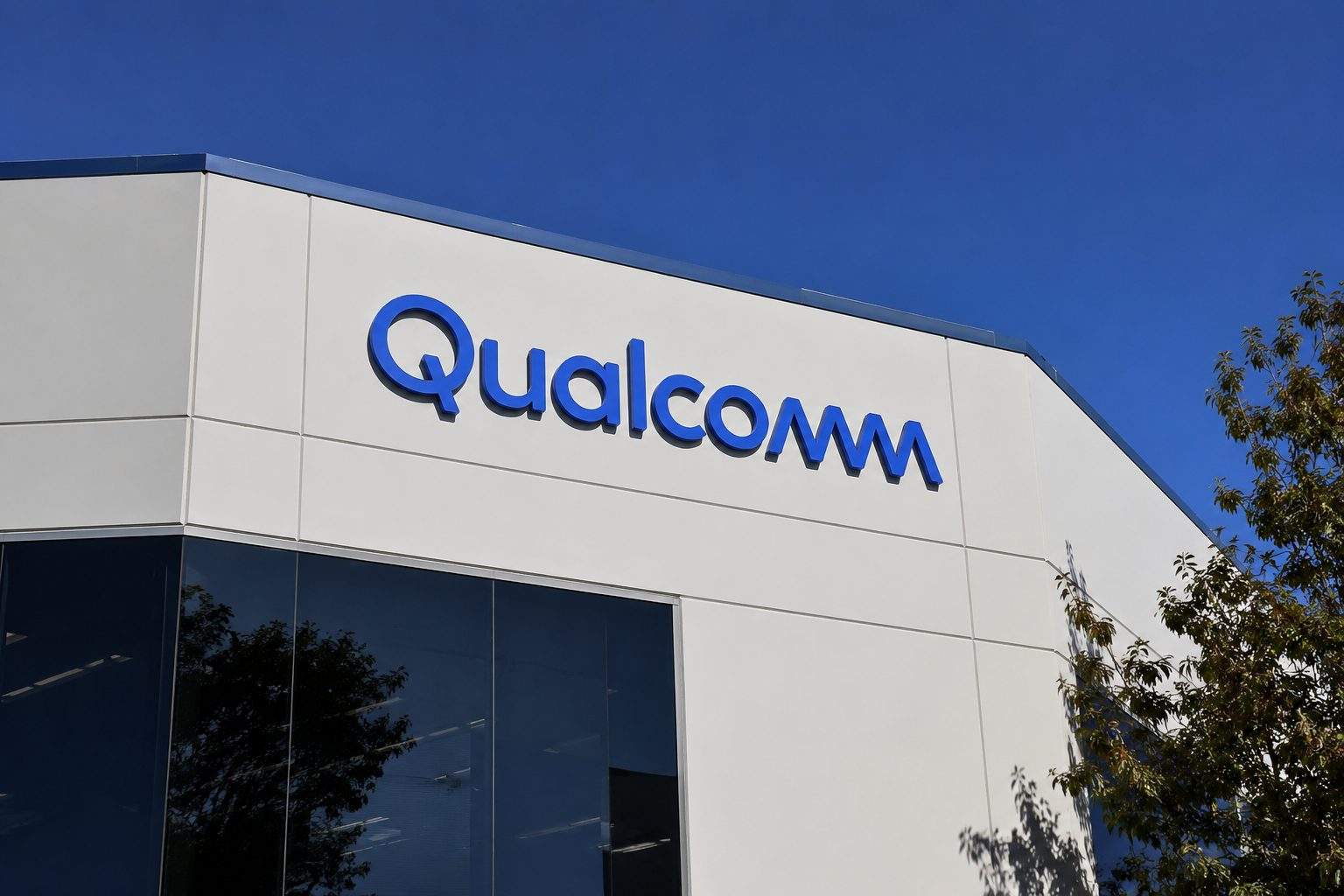
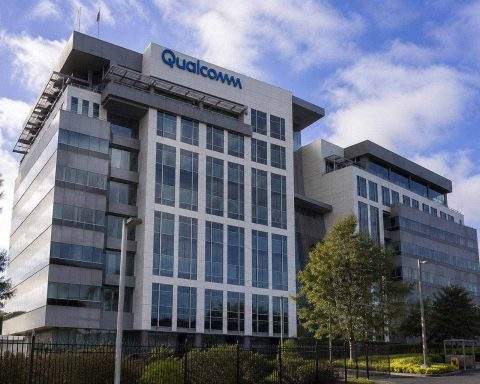
QUALCOMM Incorporated climbed 1.8% to $189.83 in early U.S. action on Wednesday, after hitting an intraday peak at $200.34. Investors continued shifting into chip stocks viewed as poised to gain from AI data-center demand.
Timing is key here. Advanced Micro Devices’ upbeat forecast sent chip stocks higher across the board—Reuters noted Qualcomm popped 5.1%, with Intel and Arm moving up as well. What’s driving the surge? Investors are pivoting away from the graphics chips that power AI training and turning attention to central processors and other hardware critical for inference, the deployment phase of AI models.
Qualcomm’s narrative is changing. Last week, the San Diego-based chipmaker said it’s moving forward with a custom silicon deal for a top hyperscaler, with first shipments expected later this calendar year. In industry speak, “hyperscaler” refers to a big cloud-computing provider. Qualcomm
On the earnings call, CEO Cristiano Amon was careful not to mention the customer by name. TD Cowen analyst Joshua Buchalter pressed for details on the deal, but Amon would only describe it as “a large hyperscaler,” adding that Qualcomm envisions a multi-generation partnership. Later in the call, Chief Financial Officer Akash Palkhiwala said the bespoke project is expected to be “accretive at the operating margin level.”
Investors have kept buying even with a dimmer short-term picture. Qualcomm posted fiscal Q2 revenue at $10.6 billion and non-GAAP earnings of $2.65 per share. Its QCT chip unit slid 4% year-over-year. Handset sales tumbled 13%. On the flip side: automotive revenue surged 38%, and Internet of Things sales rose 9%.
Handset volumes are still dragging. Qualcomm set its fiscal Q3 revenue outlook at $9.2 billion to $10.0 billion, with non-GAAP EPS between $2.10 and $2.30 per share. The company pointed to tight memory supplies and pricing pressure—factors that have crimped demand among multiple handset manufacturers.
Amon told Reuters he sees the smartphone market picking up after the fiscal third quarter. “We can now call the bottom,” he said, adding that the licensing segment gives Qualcomm a preview of what handset makers are planning for later in the year. Reuters
The focus here is tighter than the sweeping AI trade. AMD’s comments on server CPUs set things in motion, while Intel and Arm gained too, as investors bet that AI inference could push spending past just graphics chips. “Success invites competition,” said Michael O’Rourke, chief market strategist at JonesTrading, in a quote to Reuters. Matt Britzman at Hargreaves Lansdown described it as a “broader compute opportunity.” Reuters
Qualcomm is betting that its expertise in mobile and low-power chip design will translate to bigger platforms. CEO Amon says the company’s efforts span CPUs, inference accelerators, and bespoke ASICs—chips tailored for a single customer rather than the wider market. Bob O’Donnell, who heads TECHnalysis Research, told Reuters that Qualcomm is starting from a modest position but sees “maturation of their strategy and offerings.” Reuters
Still, the risks are visible. There’s no official word on the hyperscaler deal, so revenue potential is unclear; those first shipments haven’t revealed much. Qualcomm, for its part, is sticking to a June-quarter outlook that factors in soft handset sales, with memory supply still a drag. Not everyone is buying CEO Amon’s optimism, either—some analysts pushed back on his take that the memory shortage is over, according to Reuters.
June 24 marks Qualcomm’s investor day in New York, where management is set to highlight AI efforts spanning connected devices and data centers. But investors are expected to press for specifics: What exactly is the data-center offering, how large can the addressable market get, and—crucially—can a company known for phones find lasting momentum for QCOM stock with an AI server push? Qualcomm
Related articles: NASDAQ:QCOM


![Australia Stock Market Today 26/08/2026 [UPDATE: 10:37 AEST] [Woolworths and Lovisa Lift ASX Before CPI]](https://ts2.tech/wp-content/uploads/2026/08/AU-market-dashboard-2026-08-26-1037-480x384.jpg "Australia Stock Market Today 26/08/2026 [UPDATE: 10:37 AEST] [Woolworths and Lovisa Lift ASX Before CPI]")