New York, Feb 1, 2026, 12:56 EST — Market closed.
- Quantum computing stocks slipped between 7% and 9% by Friday’s close, with risk appetite fading as the month wrapped up.
- IonQ disclosed the share issuance connected to two acquisitions in a recent U.S. regulatory filing.
- The Feb. 6 U.S. jobs report is the next major macro milestone, alongside key Big Tech earnings.
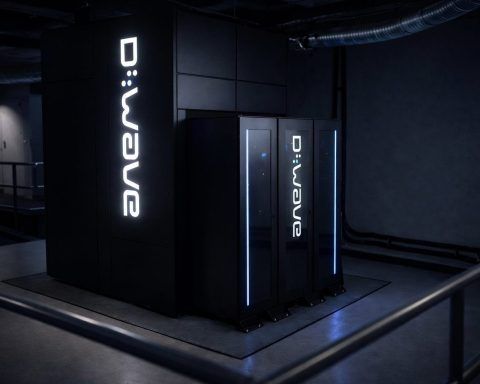
Quantum computing stocks took a heavy hit on Friday. IonQ dropped roughly 7.5%, Rigetti dipped around 8.4%, and D-Wave slid about 8.6%. Quantum Computing Inc fell close to 9.0%, and Arqit Quantum slipped approximately 8.9%.
U.S. cash markets are closed for the weekend, leaving Monday’s session to reveal if the pressure sticks or eases off fast. These are small, high-beta stocks known for sharp moves as traders shift their risk exposure.
IonQ dropped some company-specific news late last week, on top of the broader market action. An 8-K filing — used in the U.S. to report significant corporate events — revealed the company issued shares as payment in two separate transactions. SEC
The filing revealed IonQ wrapped up its Skyloom Global acquisition on Jan. 26, committing to deliver up to 3,909,267 shares. Then, on Jan. 30, IonQ completed its Seed Innovations purchase, offering up to 1,171,868 shares as part of the deal. The company also entered into registration-rights agreements linked to both acquisitions. SEC
In a Jan. 28 press release linked to the filing, Chairman and CEO Niccolo de Masi described the Skyloom deal as a key move in expanding networking capabilities: “Completing the Skyloom acquisition is another important step as we build the foundation for scalable quantum networking.” SEC
A Jan. 28 release linked to the same filing framed the Seed deal in software terms. “This acquisition expands IonQ’s software capabilities as we build the world’s only enterprise grade, full-stack quantum platform,” said Frank Backes, president of IonQ Quantum Infrastructure. SEC
Speculative tech took a hit on Friday amid a tougher market environment. U.S. stocks ended the day lower as investors digested Donald Trump’s choice of Kevin Warsh—a known hawk—to replace Jerome Powell at the Federal Reserve. Mixed earnings reports and inflation jitters added to the pressure. “Markets are calibrating to Trump’s pick of Kevin Warsh and the outlook for monetary policy,” said Michael Hans, chief investment officer at Citizens Wealth. Angelo Kourkafas, senior global strategist at Edward Jones, highlighted “a combination of investor concerns around the Fed chair announcement.” Reuters
Next week will deliver fresh signals on rates and growth. According to a Reuters “Week Ahead” report, earnings from giants like Alphabet and Amazon are on deck, following Microsoft’s slide earlier this week. The monthly U.S. jobs report lands Feb. 6. Jim Baird of Plante Moran Financial Advisors noted, “For those companies where expectations have become very, very lofty, the onus is going to be on them to deliver.” Michael Reynolds of Glenmede pointed out the market hasn’t had “a lot of clean looks” at labor data since last year’s shutdown delays. Meanwhile, Sid Vaidya at TD Wealth highlighted that AI infrastructure spending shows “no letup.” Reuters
The quantum group faces a straightforward risk scenario. Should the jobs report or inflation expectations drive bond yields up, traders are likely to continue betting against long-duration growth plays. And if funding markets grow tighter, deals heavy on shares could start to feel more dilutive than strategic.
The next key trigger is Monday’s open, with the Feb. 6 payrolls report and another batch of mega-cap earnings soon after. This trio continues to fuel rapid shifts in high-volatility tech stocks.