
Toronto, Jan 10, 2026, 15:29 EST — Market closed.
- Starting in 2026, Royal Bank of Canada will launch a three-year partnership with Eurasia Group
- RBC shares closed with a split move Friday: down 0.2% on the NYSE, but up 0.2% in Toronto
- Up next: Bank of Canada rate decision on Jan. 28 and RBC earnings on Feb. 26
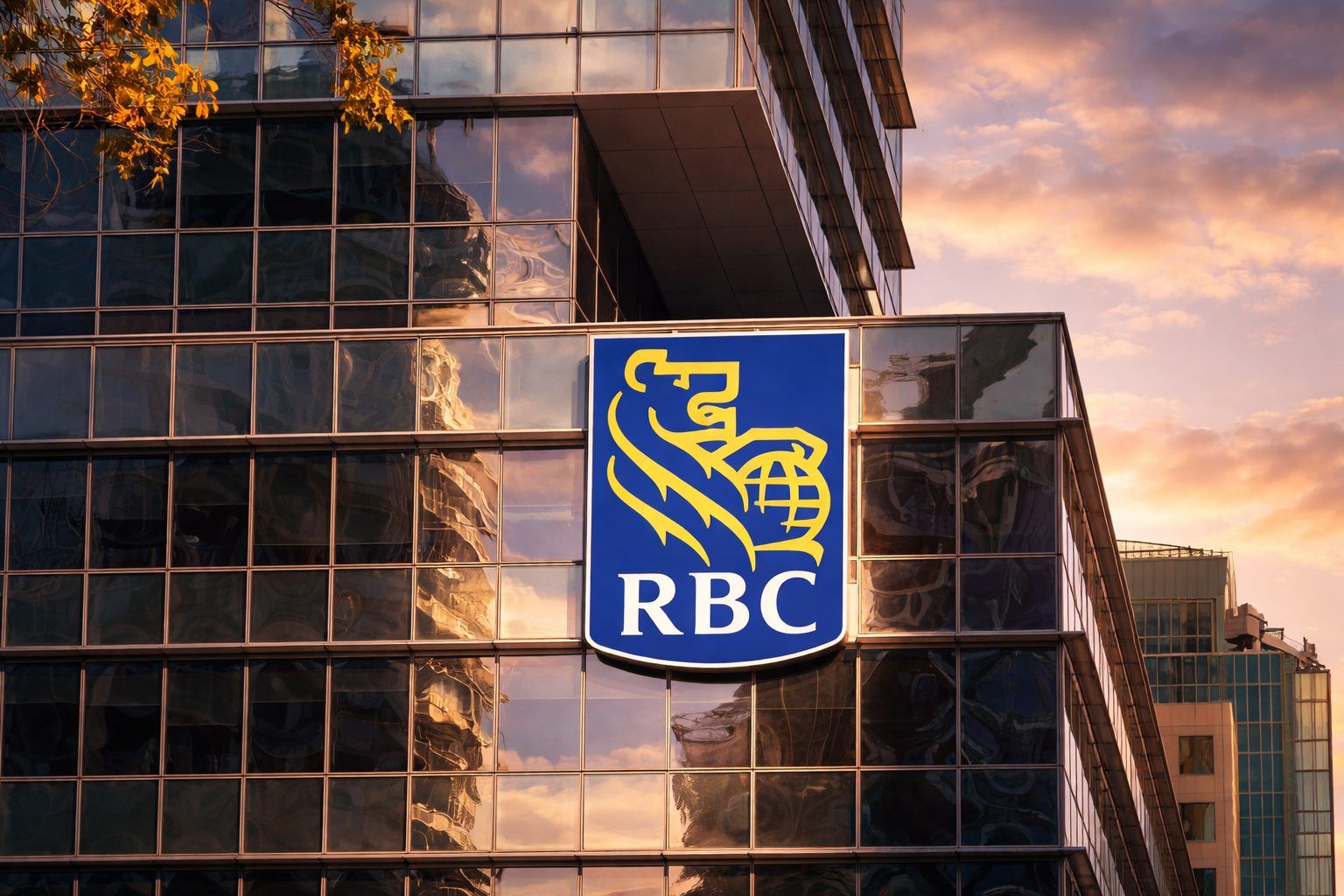
Royal Bank of Canada announced plans to launch a three-year strategic partnership with political risk consultancy Eurasia Group starting in 2026. On Friday, RBC’s U.S. shares slipped 0.2% to close at $169.19, while its Toronto-listed stock edged up 0.2% to C$235.52.
The deal comes as officials and companies gear up for the initial six-year joint review of the USMCA, the North American trade agreement, set for July 1, 2026. Trade policy is creeping back into market pricing, and cross-border lenders are once again fielding questions about the fallout if tensions escalate.
Canada’s December labour report dropped on Friday, showing job growth tapering off as the economy added a net 8,200 positions. The unemployment rate ticked up to 6.8%. Wage growth slowed compared to November, a key figure for gauging inflation pressures and interest rate moves.
Eurasia Group and RBC announced plans to co-host several events, highlighted by the 2026 US-Canada Summit set for June 10–11 in Toronto. Ian Bremmer of Eurasia Group described the US-Canada relationship as “deeply geopolitical,” while RBC CEO Dave McKay emphasized that “trusted partnerships matter more than ever.” GlobeNewswire
RBC’s New York shares fluctuated between roughly $168.80 and $170.78 across the last two sessions. The $170 mark has acted as a near-term threshold for traders, following a rally that left little wiggle room for unexpected moves.
Investors in Canada’s resource-heavy equity market are showing caution, Reuters reported Friday, as focus shifts to upcoming labour data and a U.S. Supreme Court decision related to tariffs. The benchmark TSX has hovered close to a record high reached earlier this week.
Importers in the U.S. are gearing up for a possible battle over up to $150 billion in refunds if the Supreme Court rejects President Donald Trump’s emergency tariffs, Reuters reported. While not a banking story by itself, the case directly affects trade, growth, and credit prospects in Canada’s export-driven sectors.
That said, the stock’s fate hinges more on economic swings than on what’s said at conferences. A downturn or tariff disruption could drive loan losses up. Canada’s largest bank, in its latest quarter, carved out C$1 billion for potential loan write-offs, Reuters reported last December.
The next key date is the Bank of Canada’s rate decision on Jan. 28. Banks closely follow rate forecasts since borrowing costs influence mortgage demand and net interest margins — the gap between what lenders earn and pay.
Statistics Canada plans to release annual revisions to seasonally adjusted labour force figures on Jan. 26, with the next monthly labour report set for Feb. 6. Even minor tweaks in these updates can quickly alter the rate story.
RBC’s next key event is the first-quarter earnings report, scheduled for Feb. 26 at 8:30 a.m. ET, per its investor relations calendar. Investors will focus on credit-loss provisions and shifts in loan growth forecasts amid growing chatter on trade and interest rates heading into 2026.