
Toronto, May 30, 2026, 05:36 (EDT)
- The S&P/TSX Composite closed up on Friday, logging a second monthly gain in a row for May.
- Tech stocks and gold miners led gains, while energy lagged after oil prices dropped.
- Next week’s Canadian jobs data is in focus after first-quarter GDP numbers came in weak.
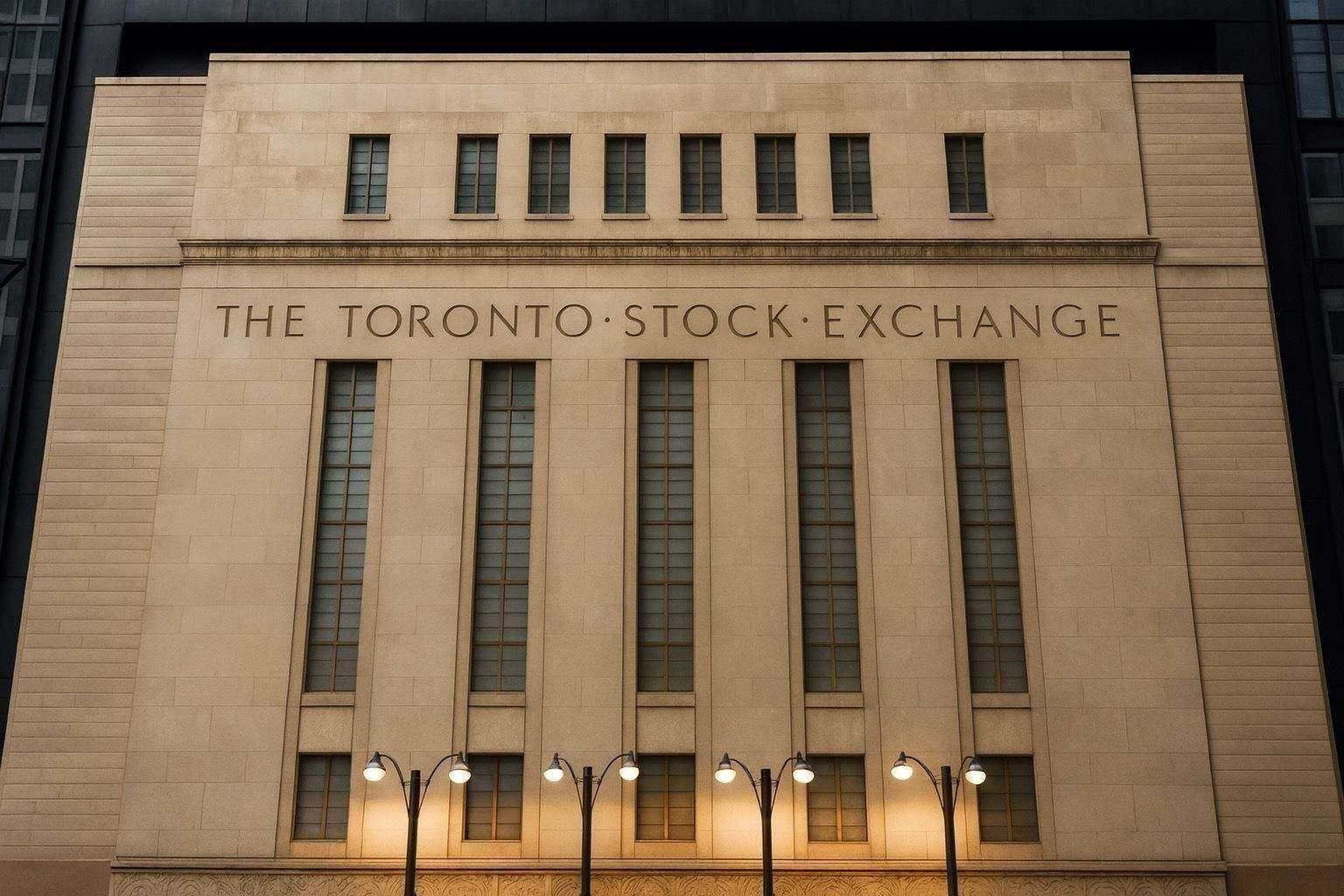
Canada’s stock market is close to an all-time high as June starts, after gains in tech and gold stocks boosted the S&P/TSX Composite on Friday. But a surprise drop in GDP made the move look shaky beneath the surface. The Toronto Stock Exchange closed for the weekend, so Friday’s finish stands as the latest market reading. TMX runs regular trading from 9:30 a.m. to 4 p.m. ET.
Why timing is key. Investors poured into commodities, AI plays, and bank stocks even as the economy slowed. Statistics Canada said gross domestic product was flat in Q1 from Q4; Reuters reported GDP dropped 0.1% annualized for a second quarterly fall.
S&P/TSX Composite finished Friday up 240.87 points, or 0.7%, to end at 34,758.57, and is now up 2.4% for May. Tech stocks led with a 4.7% jump, paced by a 10.2% gain in Celestica. Materials rose 2.6%. Energy lost 1.2% as oil prices settled down. “Very weak report from most angles,” said Katherine Judge, senior economist at CIBC Capital Markets, about the GDP figures. Reuters
Stocks started the week strong, with the benchmark finishing Monday at a record 34,830.89 after Middle East ceasefire hopes. Falls on Tuesday and Wednesday followed as oil and gold traded lower. A rebound Friday helped claw back losses.
Banks helped steady the market, though they weren’t behind the move Friday. Royal Bank of Canada, TD Bank and CIBC all beat profit estimates for the quarter as domestic business and capital markets activity lifted results. TD’s CFO Kelvin Tran called the consumer “resilient.” RBC CEO Dave McKay said there’s still “elevated” uncertainty. Reuters
Market sentiment is split. Earnings are steady, but the broader economic numbers are softer. The Canadian dollar slipped after the GDP miss. Amo Sahota, director at Klarity FX, said the weak GDP number is “shifting rate expectations.” The July trade review is another factor weighing on the Canadian dollar, he said. Reuters
Global moves gave the market a lift. Wall Street’s top indexes finished at new highs Friday, getting a push from Dell’s results and the ongoing AI trade as people looked for news about a possible U.S.-Iran deal. This had an impact in Toronto too, with the TSX’s tech stocks and commodity names moving on the same trends—AI spending and geopolitical headlines in the energy market.
Strategists are holding on to bets for Canada. A Reuters poll of 25 equity strategists and portfolio managers showed the S&P/TSX Composite at 35,300 by year-end, climbing to 38,000 by end-2027. Christine Tan at SLGI Asset Management said “strong energy and commodity prices” still support the case. Jay Bala at AIP Asset Management pointed to the TSX’s “heavy exposure to energy.” But Ben Jang at Nicola Wealth said, “Valuations have run ahead of fundamentals.” Reuters
Trade and rates could both go against the market at once. The Trump administration wants to push North American auto-content rules up to 82% in the USMCA, with half needing to be from the U.S. Reuters said Canada wasn’t part of the latest Mexico City meetings, and there’s no date set for talks with Canada. If that kind of uncertainty drags on autos, industrials or hiring, gold and banks might not be enough for the TSX to stick close to records.
Not much on the calendar for Canada next week, but there is a key read. Productivity numbers come in Wednesday. Canada’s May jobs figures hit Friday, landing with the U.S. payrolls at the same hour. The Bank of Canada sets policy the next Wednesday, June 10. If jobs are weak, bond-sensitive stocks might benefit as rate worries ease. If the number is strong, some will wonder if inflation and the recent rally are already fully reflected.
Related articles: Stock Market