
Toronto, June 19, 2026, 16:01 (EDT)
- TD shares climbed in late trading Friday in Toronto after Canada’s bank watchdog lowered a key capital buffer on the biggest banks.
- OSFI cut the Domestic Stability Buffer to 3.0% from 3.5%. The change lets banks lend more or put capital elsewhere.
- TD is gaining along with other banks, but its U.S. anti-money-laundering cleanup is still its main stock risk.
TD Bank shares moved higher on the Toronto exchange late Friday after Canada’s regulator lowered the capital buffer for top banks, freeing up capital for Toronto-Dominion and its rivals. TD traded at C$169.38, up 0.44%, at 3:46 p.m. EDT. The stock touched C$170.66 earlier, a 52-week high according to Google Finance.
OSFI cuts DSB to 3.0% from 3.5% for major banks, effective right away
The Office of the Superintendent of Financial Institutions dropped the Domestic Stability Buffer to 3.0% from 3.5% of total risk-weighted assets, effective immediately. The DSB is extra capital Canada’s big banks have to keep on hand to cover losses and keep lending when things get rough. Risk-weighted assets are loans and exposures adjusted for risk.
That’s what’s at stake right now. OSFI said the average Common Equity Tier 1 ratio for Canada’s six biggest banks is 13.5%, ahead of its new 11.0% supervisory target. The regulator estimated the banks have a C$74 billion capital buffer, enough for another C$673 billion in risk-weighted assets.
OSFI Superintendent Peter Routledge told Reuters, “The opportunities are there for the banks and we’re getting out of the way.” The cut goes for Royal Bank of Canada, TD, BMO, Scotiabank, CIBC and National Bank of Canada, so this isn’t just a TD move, though TD’s balance-sheet optionality has a little more room now. Reuters
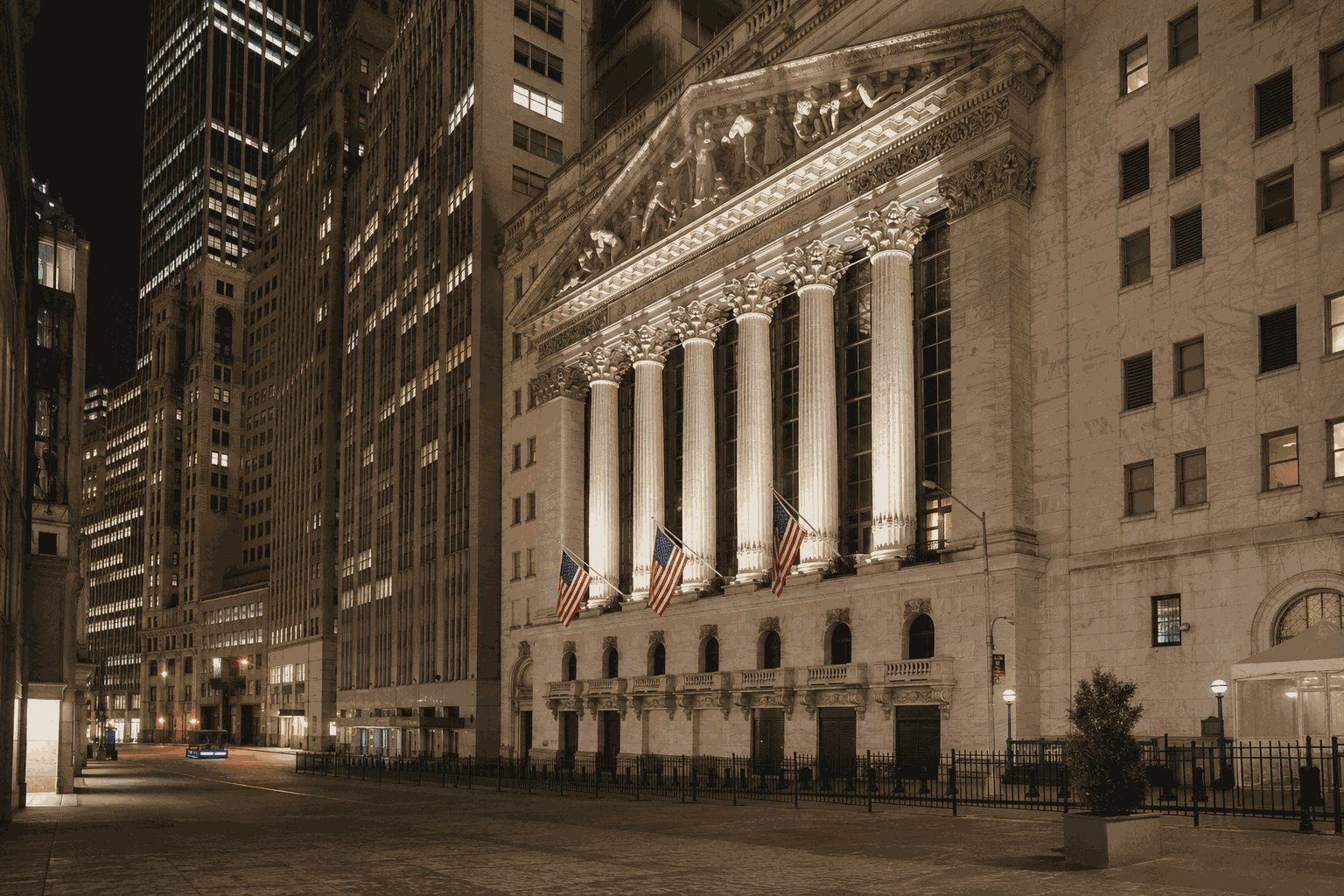
Toronto was trading. The NYSE stayed shut for Juneteenth, but TMX called June 19 a U.S. holiday with special settlement rules for U.S.-dollar securities. The Canadian stock market was open.
TD’s timing with the regulator works in shareholders’ favor. The bank just posted adjusted second-quarter earnings of C$4.2 billion, or C$2.38 per share, gaining 15% and 21% over last year. The CET1 ratio landed at 14.3%. CEO Raymond Chun said TD had “momentum,” but stressed anti-money-laundering work “remain[s] our top priority.” TD Canada Trust
The main S&P/TSX Composite index traded flat earlier Friday. Energy stocks balanced out losses in gold miners with investors watching Middle East risks and a stronger U.S. dollar. So TD’s gain looked like a bank-cap trade, not just a boost from the index.
Competitive angle stays clear. RBC, BMO, and Scotiabank land the same regulatory break, so TD now faces pressure to show it can use the extra space for loans, buybacks, or balance sheet work quicker than the others. The cut is a lift for all, but only delivery will set the stocks apart.
But the risk is still there. TD’s U.S. unit is stuck under an asset cap, which limits how much its U.S. banking balance sheet can grow. The restriction follows the bank’s 2024 deal to pay over $3 billion to settle U.S. money-laundering probes. If cleanup costs climb, regulators drag their feet, or loan demand drops off, Friday’s capital relief might not show up in earnings right away.
TD heads into the week with a better-looking Canadian capital base, which is good for the bank’s valuation. The real focus is how management uses that flexibility now. The stock trades between two stories—TD’s solid Canadian bank and a U.S. arm that still needs to rebuild its reputation with regulators.
Related articles: Canada