New York, Jan 8, 2026, 10:59 EST — Regular session
- Rivian shares rise in morning trade after a U.S. safety recall tied to serviced R1 vehicles
- Company says it will replace rear toe-link bolts for free; one crash with minor injuries cited
- Investors turn to Feb. 12 results for margin, cash and outlook signals
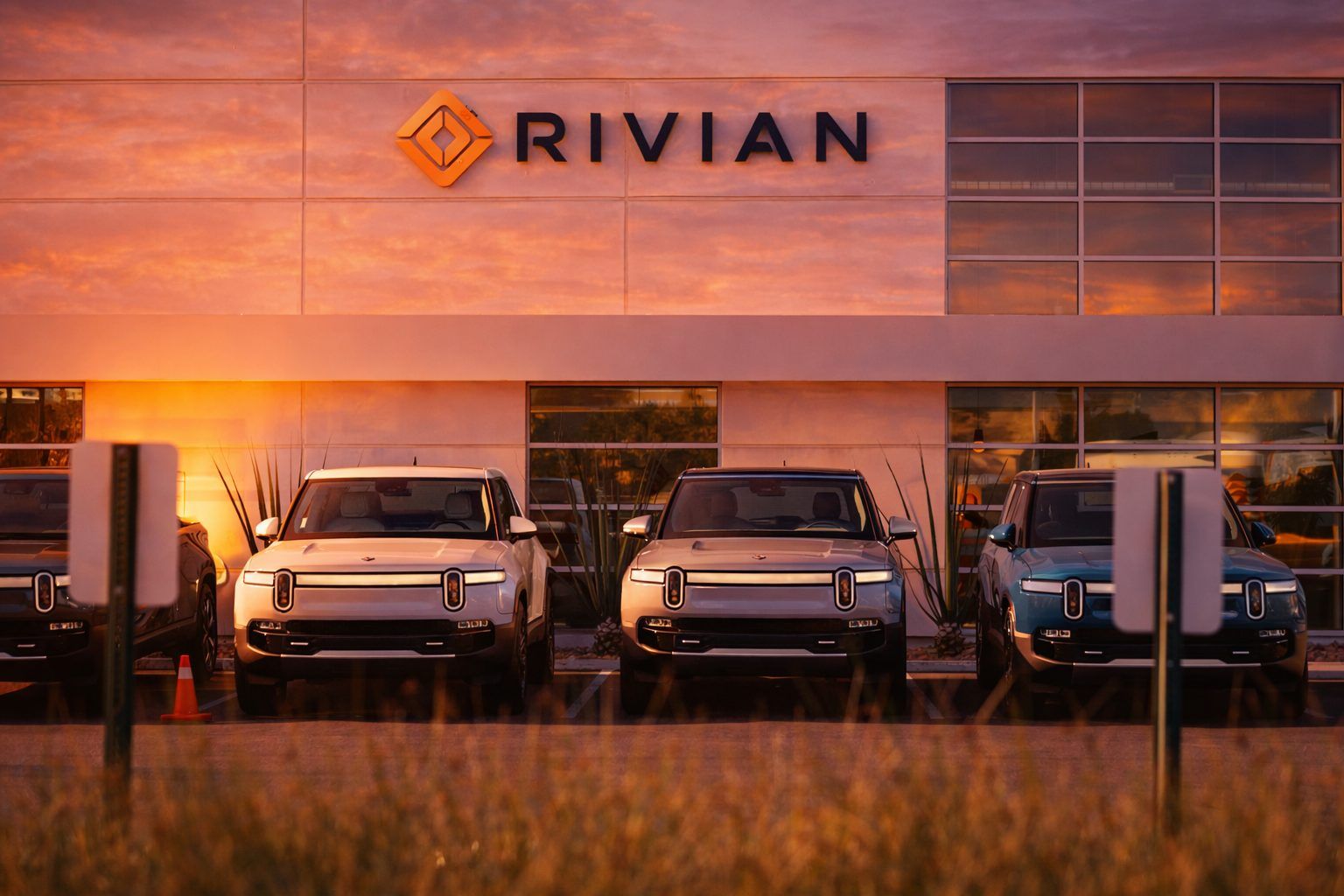
Shares of Rivian Automotive (RIVN.O) were up about 1.2% at $20.30 in morning trade on Thursday after U.S. auto safety regulators flagged a recall of 19,641 previously serviced R1S SUVs and R1T pickups. The stock has traded between $19.80 and $20.63 so far in the session.
The headline is small by Detroit standards, but it lands when Rivian can’t afford distractions. Investors have been pushing for cleaner execution and tighter costs, not more trips through the shop.
It also puts the spotlight on service work, not factory output. A recall tied to repairs can raise awkward questions about process and training, and it can chew up service capacity even if the fix is quick.
Rivian said the issue involves rear toe link joints — part of the suspension that helps keep the rear wheels aligned — that may not have been reassembled to spec during service under an older procedure used before March 10, 2025. In some cases, Rivian said, the joint can separate over time and increase crash risk; it said it is aware of one single-vehicle accident with alleged minor injuries. Rivian said it will replace potentially affected rear toe-link bolts using an updated procedure at no charge and expects the work to take less than an hour; the campaign is listed as NHTSA recall No. 26V-003.
Separately, Piper Sandler raised its price target on Rivian to $20 from $14 and kept a Neutral rating. The firm pointed to “persistent concerns regarding affordability” in its 2026 outlook. TipRanks
Rivian has said it will release fourth-quarter and full-year 2025 financial results on Feb. 12 after the market close, followed by an audio webcast at 5:00 p.m. ET.
That earnings update is likely to reset the debate around cash use, gross margin and 2026 production and delivery plans, with any fresh language on demand doing most of the work in the stock. Traders will also watch whether the recall stays contained to vehicles that went through the earlier service procedure.
The risk case is familiar: more failures, more claims, and a bigger hit to time and money than the company is signalling today. If the fix turns out messier in the field, it could add costs at the wrong moment.