
DUBAI, United Arab Emirates, May 14, 2026, 12:10 GST
Robo.ai Inc. reported Thursday that Neurovia AI launched NeuroStream, a visual-data tool aimed at compressing and processing video for physical AI applications — think machines running software to interpret, move, or act in the real world. According to the company, a test run trimmed a 5.5GB 4K, 60fps video all the way down to 278MB — about a 95% reduction — without altering resolution or frame rate.
Robo.ai now has more than just another AI funding headline, thanks to the launch. Days after striking a deal to acquire Neurovia, the company gets a product story to tell. The question for this small Nasdaq-listed firm is whether its pivot from the battered vehicle space toward data infrastructure will actually deliver revenue.
Robo.ai’s UAE subsidiary is set to acquire all of Neurovia from Aetheron AI for $100 million, according to a May 7 filing. Payment comes in the form of 149,097,957 Class B ordinary shares, which can’t be sold for eight years—no exceptions for the first four. Unless something changes, closing is scheduled for June 16, provided conditions are satisfied.
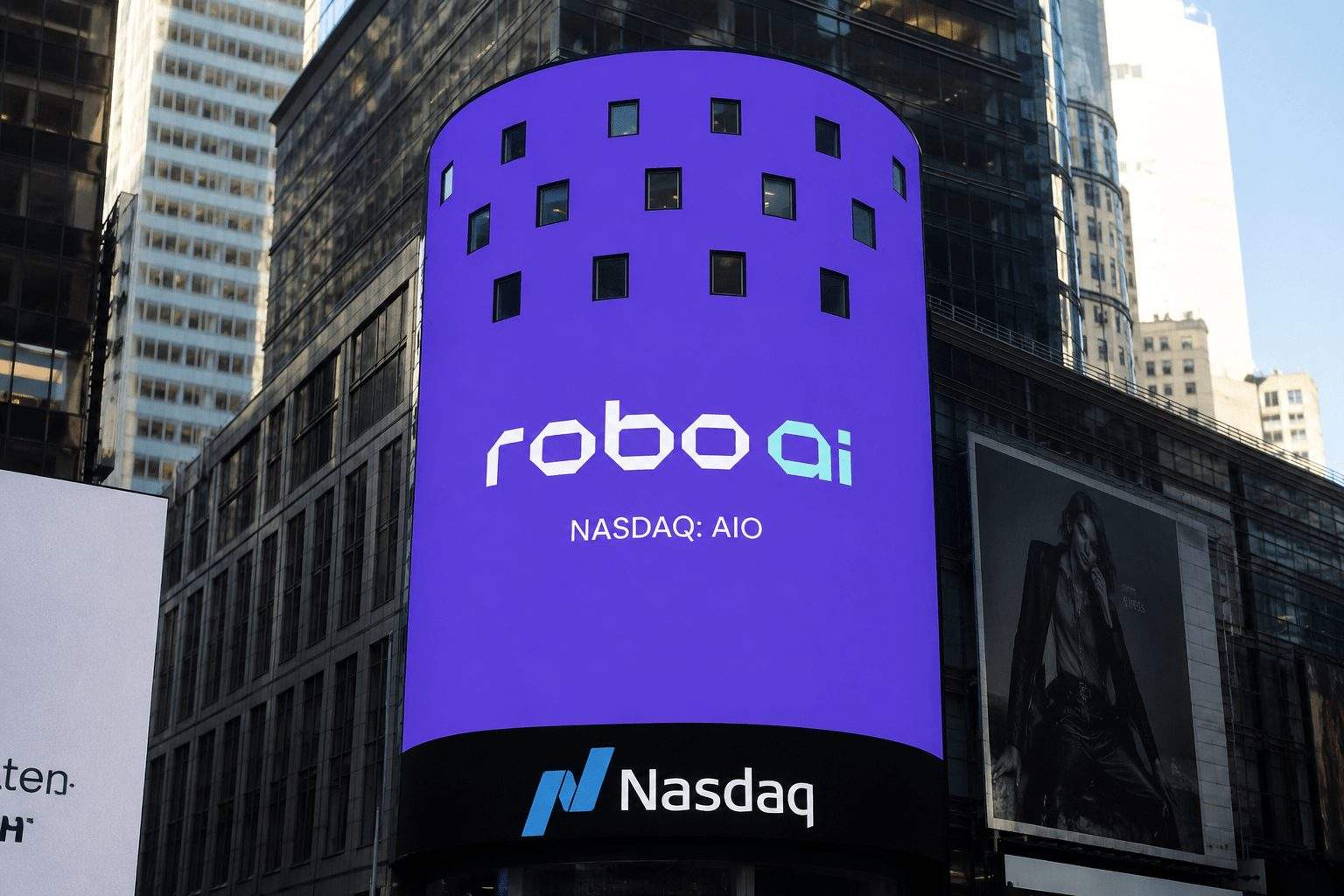
Traders have been quick to slot Robo.ai in with the AI high-flyers. The stock, trading on Nasdaq as AIIO, last showed at $2.61. According to Investing.com, that gives the company a market cap of $48.33 million, and over the past year, shares have swung between $0.54 and a dizzying $69.60.
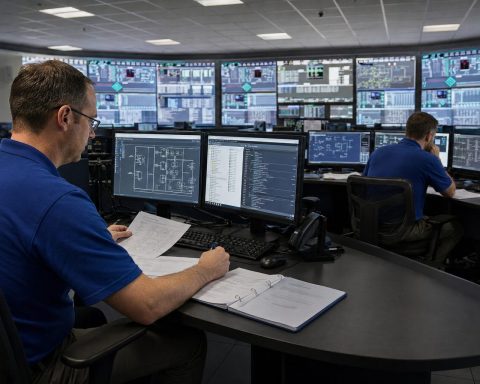
NeuroStream targets applications like robotics, autonomous vehicles, and smart city systems that generate lots of video. According to the company, the platform is tuned for edge computing—processing data right at the camera, sensor, or device instead of routing everything to the cloud.
Robo.ai took steps to tighten oversight of the asset, announcing Wednesday that Neurovia’s board tapped Mansoor Ali Khan for chief technology officer. The company pointed to Khan’s experience at Abu Dhabi-affiliated firms, naming Aleria LLC and Modon Holding among his past employers.
In Thursday’s statement, Khan linked Robo.ai’s offering to rising storage and transmission expenses. The company says it engineered its platform specifically to keep the visual data required for AI processing, without ballooning the costs to store or send it. Now, it’s up to Robo.ai to show that claim stands up beyond internal trials.
Competition’s fierce here. Nvidia’s Metropolis platform is aimed at visual AI agents, stretching from edge devices to the cloud, powering everything from smart cities to factories, retail, and logistics. Ambarella, on the other hand, is focused on edge AI vision processors—think automotive, security systems, IoT, industrial gear, and robotics.
Robo.ai is working with a thin cushion. Net revenue for 2025 plunged 92.1% to roughly $1.0 million, down from $12.0 million the year before, according to its annual report. Net loss hit $167.6 million. The filing disclosed an accumulated deficit of $904.4 million and noted that there’s still substantial doubt about the company’s ongoing viability.
The timeline, though, is murky. Neurovia was called a wholly owned subsidiary in Thursday’s release, yet the SEC filing flagged that closing conditions are still pending and the deal might not wrap up until June 16 or beyond. There are a few wild cards here: a delayed deal, a heavy stock issuance burdening existing holders, or customers hesitating on the new platform—all of which could leave Robo.ai’s cash crunch unresolved even after the NeuroStream debut.
Right now it’s a tight, measurable pitch: Robo.ai claims it can lower machine-vision data costs, and the stock has moved accordingly. Key things to watch next—finalizing the Neurovia deal, actual customer signings, and whether those touted compression savings appear in cash inflows instead of just announcements.
Related articles: Artificial Intelligence


![UK Stock Market Today 28/08/2026 [UPDATE: 08:45 BST] [3i and Miners Lift FTSE Ahead of Warsh Speech]](https://ts2.tech/wp-content/uploads/2026/08/UK-market-dashboard-2026-08-28-0842-480x384.jpg "UK Stock Market Today 28/08/2026 [UPDATE: 08:45 BST] [3i and Miners Lift FTSE Ahead of Warsh Speech]")