
- Rokid’s AR product lineup spans from early enterprise smart glasses to the latest consumer-focused Rokid Maxand Max 2, lightweight (≈75 g) headsets that project a 50° FOV 1080p display for a portable “big-screen” experience ts2.tech xrtoday.com.
- Rokid Max (2023) introduced a 215″ virtual screen view (at ~6 m distance) with dual 1080p Micro-OLED optics at 120 Hz, adjustable diopters (0 to −6D) for nearsighted users, and plug-and-play connectivity via USB-C xrtoday.com techradar.com. An optional Rokid Station Android TV module turns it into a standalone media player.
- Rokid Max 2 (2024), launched via a Kickstarter “AR Spatial” bundle, added 3DoF head tracking (with the new Station 2 console) and refinements like a slightly wider field of view and lighter design mmorpg.com. However, early backers faced software delays – e.g. DRM issues kept Netflix from running on Station 2 mmorpg.com mmorpg.com – highlighting software hurdles despite the improved hardware.
- Latest News (2025): Rokid is expanding into AI smart glasses. In August 2025 it unveiled the Rokid Glasses, a Ray-Ban-style pair with a 12 MP camera, Snapdragon AR1 chip, on-board ChatGPT-based AI assistant, and built-in monochrome waveguide displays for heads-up info overlay techradar.com techradar.com. Priced around $599 (Nov 2025 launch), these glasses directly challenge Meta’s next-gen smart glasses by adding a screen for AR prompts and navigation techradar.com techradar.com.
- Competitive Landscape: Rokid’s AR glasses compete with Xreal (Nreal) – whose new Xreal Air 2 Ultra offers dual 1080p HDR displays, a 52° FOV and 6DoF spatial computing via Snapdragon silicon ts2.tech – as well as big players like Meta (Ray-Ban Meta smart glasses for camera/audio social features) and Apple (Vision Pro headset for high-end AR/VR). Rokid’s pricing (Max 2 ~$429–$529) undercuts premium devices, but it lacks full standalone AR and must carve a niche in a rapidly crowding market ts2.tech mmorpg.com.
- Expert Reviews: Tech writers note Rokid Max is excellent for media – “a solid pair of smart specs…ideal for entertainment – watching films and playing games – if you’re a fan of the big-screen experience” techradar.com. The built-in myopia adjustment dials (0 to −6D) are praised as a standout convenience absent in many rivals techradar.com. However, reviews also caution that without the Station hub, Rokid’s glasses are limited for productivity and true AR: “a mixed bag…decent for multimedia but fall short for productivity…lacking functionality to compete in an increasingly sophisticated AR market” mmorpg.com.
- Public Reception: Early adopters love using Rokid glasses for Netflix, gaming, and travel – one user marveled at how “the image and especially the colors are spectacular” when streaming movies reddit.com. The glasses are lightweight and comfortable enough for multi-hour use, effectively creating a 215″ personal screen for an iPhone or Steam Deck trustpilot.com. At the same time, users note typical AR viewer caveats: the virtual desktop is usable but edges can appear slightly blurry, and head movements mean the screen stays fixed relative to the wearer (which most find easy to get used to) reddit.com reddit.com. Overall sentiment is that Rokid Max delivers on its promise of a “wearable big screen”, even if it’s not yet a full-fledged holographic AR experience.
- Challenges: Rokid faces several limitations. The Max series has no front-facing cameras or sensors for environmental mapping, so it functions as an “assisted reality” display rather than true AR that inserts 3D content into the real world. Interactivity is limited – e.g. no gesture control or anchored virtual objects without the Station 2, and even then only 3DoF (rotation) tracking is supported mmorpg.com mmorpg.com. Brightness (peaking ~600 nits) is decent indoors but can be insufficient in sunlight, and there’s no built-in electrochromic visor (a removable tinted lens is used instead) techradar.com techradar.com. Moreover, early software and logistics issues – from the delayed Station 2 DRM certification to app compatibility quirks (the Rokid smartphone app offered little functionality mmorpg.com) – have hindered the user experience and backer confidence. Ensuring robust content support (HDCP for streaming is included, but native apps and app stores are nascent) remains an ongoing challenge.
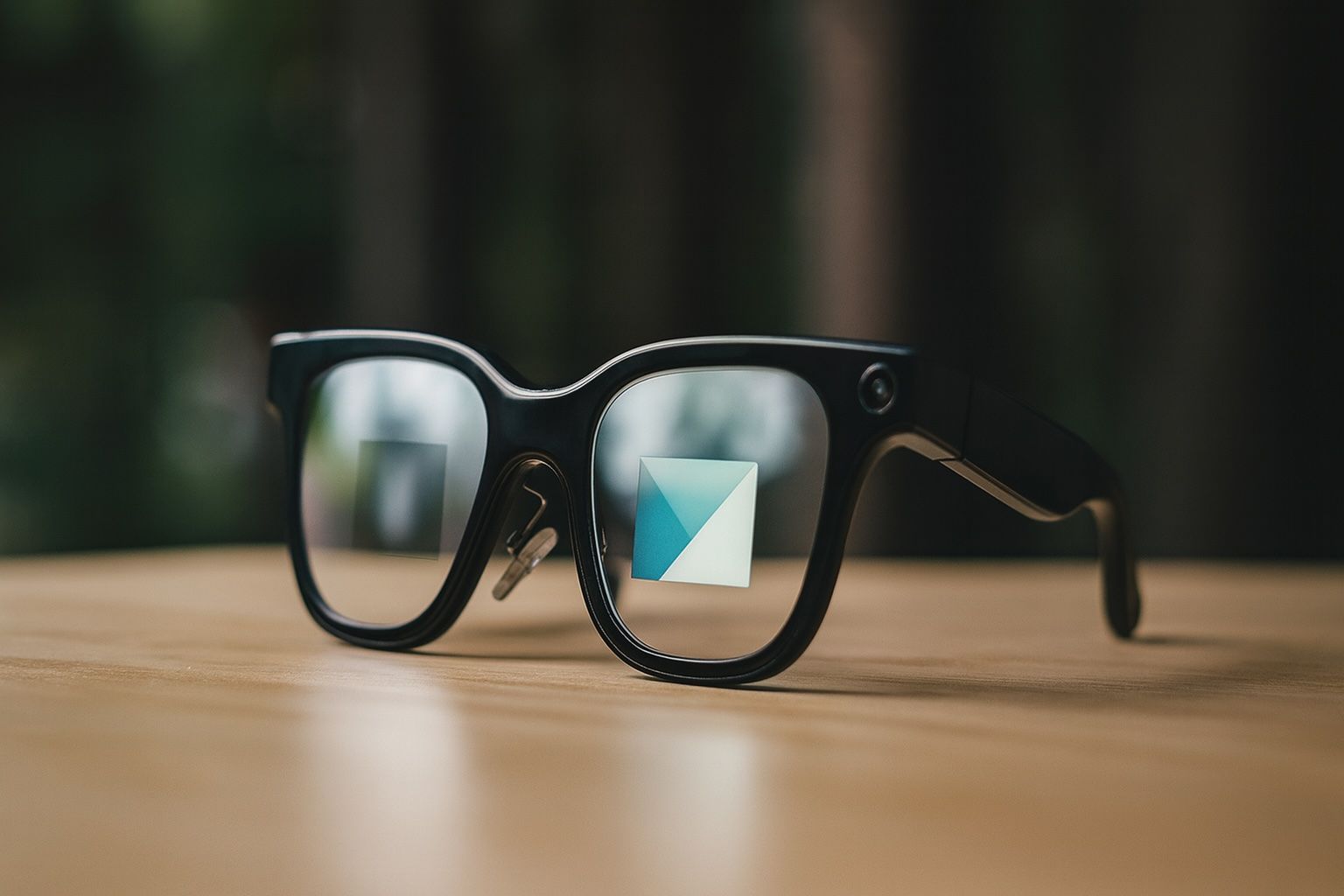
- Outlook: Despite challenges, Rokid has emerged as a significant player in consumer AR. It capitalized on a wave of interest in smart glasses – global shipments of AR eyewear surged over 200% in 2024, thanks largely to affordable entrants like Meta’s Ray-Ban Stories ts2.tech. Rokid’s strategy of offering a relatively affordable, plug-and-play cinematic display has positioned it well for enthusiasts who want immersive media on the go without spending $3,500 on an Apple Vision Pro. The Rokid Max 2 is “competitively priced” in its class techradar.com, and the company is pushing innovation further with the upcoming AI-integrated Rokid Glasses. Image: Rokid’s newly announced smart glasses (2025) resemble regular sunglasses, yet pack a camera, speakers, and a micro-LED display for heads-up AR readouts techradar.com.Looking ahead, Rokid’s future positioning will depend on how well it can bridge the gap between simple AR viewers and full-featured spatial computers. Competition is intensifying: Meta is reportedly adding a display to its next Ray-Ban smart glasses, due in 2025, and partnering with brands like Oakley to broaden appeal techradar.com techradar.com. Xreal is doubling down on “spatial computing” marketing to frame its tethered glasses as lightweight alternatives to Vision Pro ts2.tech. Meanwhile, newcomers like TCL’s RayNeo are introducing waveguide-based AR glasses with much higher brightness (2500 nits) and true binocular AR optics for mid-2025 prnewswire.com prnewswire.com. Rokid’s response – such as the Rokid Glasses with an AI assistant and AR HUD – shows it’s keen to compete beyond just the personal theater niche techradar.com techradar.com.
Image: The new Rokid Glasses use a monochrome green micro-LED waveguide display to overlay information (like navigation prompts and object labels) in the wearer’s field of view techradar.com techradar.com. This built-in AR display is a feature Meta’s current Ray-Ban glasses lack, potentially giving Rokid an edge in functionality.
Conclusion: Rokid’s AR smart glasses have evolved from a novel gadget into a credible consumer product line in 2025. The Rokid Max and Max 2 deliver an impressive personal cinema and casual AR experience, garnering praise for their visual quality, comfort, and value. At the same time, reviews temper the hype by pointing out that without richer tracking and apps, devices like the Max are closer to “wearable displays” than the fully immersive AR promised by heavier, costlier headsets. Rokid’s latest moves – resolving early hiccups, improving software, and launching hybrid AI glasses – will be crucial to maintain its momentum. Expert commentators note that while the Max series isn’t a “Vision Pro killer,” it offers a compelling 65%–85% of that high-end experience at a fraction of the cost global.rokid.com. In the near term, Rokid’s glasses are well-positioned as one of the top affordable AR wearables for entertainment and productivity on the go techradar.com. Long term, the company’s success will hinge on advancing from a neat mobile theater to a more integrated AR platform – all while fending off tech giants and continuing to “redefine reality” in a way that resonates with everyday users.
Sources: Rokid official product pages and press global.rokid.com mmorpg.com; expert reviews from XR Today, TechRadar, MMORPG.com xrtoday.com techradar.com mmorpg.com; tech news from TechRadar(Aug 2025) techradar.com techradar.com; user feedback via Trustpilot and Reddit trustpilot.com reddit.com; industry analysis by TS2 and Counterpoint Research ts2.tech ts2.tech.
Related articles: NASDAQ:META