
New York, February 4, 2026, 19:41 (ET) — After-hours trading
- RTX shares slipped 3.4%, ending the day at $196.74, with minimal movement afterward.
- Raytheon secured Pentagon contracts lasting up to seven years to boost production of Tomahawk, AMRAAM, and Standard Missile interceptors.
- RTX highlighted new commercial wins and announced an investor event set for Feb. 18.
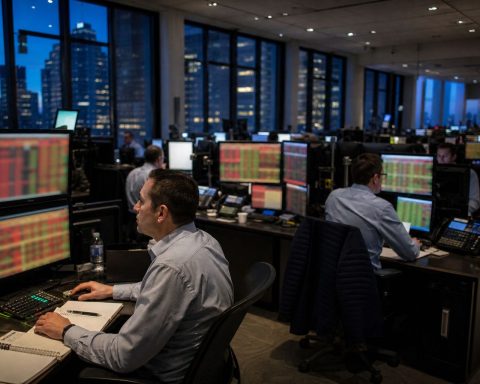
Shares of RTX Corp slipped 3.4% on Wednesday and held steady in after-hours trading, last seen at $196.74.
The drop followed Raytheon, part of RTX, announcing a seven-year pact with the U.S. Pentagon to ramp up production of critical missiles as Washington works to replenish its stockpiles. RTX didn’t reveal the deal’s dollar value but said Tomahawk missile output will jump from roughly 60 annually to 1,000 over time.
The context is crucial, not just the headline. The Pentagon is moving contractors toward longer-term contracts to secure supply, but investors need to figure out the impact on cash flow timing and margins. Plus, there’s the question of how quickly these “framework” deals turn into actual orders.
RTX announced that these new frameworks will boost annual production of Tomahawk cruise missiles beyond 1,000 units and raise AMRAAM air-to-air missile output to at least 1,900. SM-6 interceptor production will surpass 500, with planned increases for the SM-3 Block IB and Block IIA interceptors as well. Raytheon will manufacture these weapons in Tucson, Arizona; Huntsville, Alabama; and Andover, Massachusetts, under a funding model designed to protect upfront free cash flow—cash remaining after capital expenditures. “These agreements redefine how government and industry can partner,” CEO Chris Calio said. RTX
Defense stocks took a hit on Wednesday. The iShares U.S. Aerospace & Defense ETF slipped roughly 2.8%, with Lockheed Martin and L3Harris sliding around 4% and 3.5%, respectively.
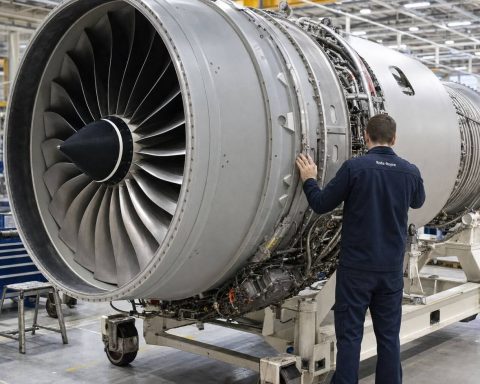
RTX highlighted ongoing strength in commercial aerospace. Pratt & Whitney revealed that Vietjet Air has ordered 44 more Airbus A320neo-family jets equipped with GTF engines, alongside a 12-year engine maintenance deal. Deliveries are set to begin in July 2026. Nguyen Thanh Son, Managing Director at Vietjet, said the GTF “is powering our growth.” RTX
The day before, Pratt & Whitney Canada inked a 15-year maintenance deal with Scoot for at least 24 APS5000 auxiliary power units on Boeing 787 jets, RTX reported. “This new contract builds on the longstanding relationship,” said Anthony Rossi, a Pratt & Whitney Canada executive. RTX
Policy remains the biggest wildcard. Trump’s executive order on defense contracting could clamp down on dividends and buybacks for companies judged to have underdelivered. It also links executive pay more closely to hitting delivery and production targets — which could spell trouble if projects fall behind and Washington gets tough.
Traders will be focused on whether the defense sector can hold steady in the upcoming session and if RTX manages to keep the spotlight on its production ramp-up rather than the expenses involved.
RTX has set Feb. 18 as the next key date, with CEO Calio scheduled to speak at Citi’s Global Industrial Tech and Mobility Conference at 8:50 a.m. ET. Investors will likely zero in on cash flow, capital expenditures, and missile order momentum during the session.