
BURLESON, Texas, May 5, 2026, 14:04 (CDT)
- Sadot Group shares surged roughly 99% Tuesday, trading with volume well beyond what’s typical lately.
- Sadot turned in its overdue 2025 annual report, prompting Nasdaq to wrap up a compliance issue tied to the filing.
- The annual report painted a bleak picture: revenue plunged, the company posted a hefty net loss, and auditors flagged a “going concern” risk.
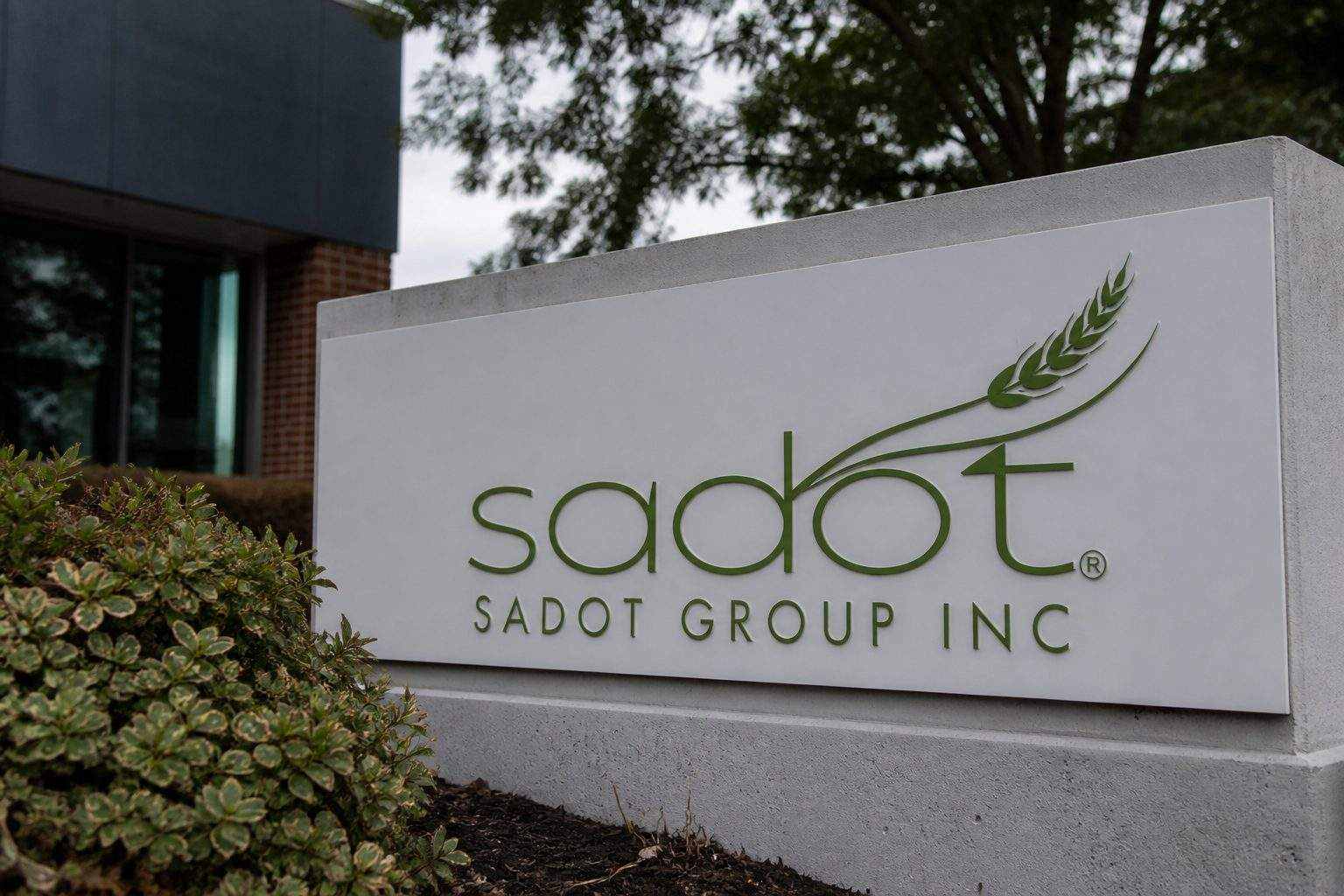
Shares of Sadot Group Inc. shot up by almost 100% Tuesday, snapping back just days after the Nasdaq resolved a compliance issue over the agri-food microcap’s late annual filing. By 3:04 p.m. EDT, the stock was changing hands at roughly 52 cents—more than double Monday’s close of 26 cents, StockAnalysis data show.
This development lands after a punishing run for the stock and follows Sadot’s resolution of a key regulatory snag. Back on April 17, Nasdaq flagged the company for missing the 2025 Form 10-K deadline, citing non-compliance with Listing Rule 5250(c)(1)—which mandates timely financial filings by listed firms.
Sadot submitted its annual report on April 29. The next day, an April 30 filing showed Nasdaq restored the company’s compliance status and closed the case.
The rally hardly tells the whole story. In its 2025 Form 10-K, Sadot reported commodity sales plunging 64.8% to $246.9 million, down sharply from $700.9 million in 2024. Net loss attributable to Sadot Group Inc. ballooned to $93.4 million, flipping from net income of $4.0 million in the prior year.
Gross profit slid sharply, dropping to $4.6 million from $22.7 million. The filing also highlighted $31.0 million in impairment losses, $13.5 million in litigation costs, and another $3.6 million lost on debt extinguishment.
The auditor flagged a “going concern” warning—an accounting red flag that signals real uncertainty about the company’s ability to stay afloat without fresh funding or other solutions. According to the auditor, Sadot was facing a sizable working capital deficit, racking up steep losses, pulling in scant sales, and in need of more capital.
Sadot didn’t mince words in its liquidity update. As of Dec. 31, the company faced a $54.8 million working capital deficit—current liabilities outpaced current assets by that much. A year before, it had a positive $20.5 million figure. According to Sadot, cash on hand, receivables, and projected commodity-trading inflows won’t cover both operational costs and upcoming repayments through the next 12 months.
The filing noted that the bulk of Sadot’s debt came due on Dec. 31, 2025, and is now in default. Sadot plans to look for more capital—possibly tapping public-market funding—though it cautioned there’s no guarantee it can secure financing on acceptable terms.
Sadot has spent over two years overhauling its business. Once known as Muscle Maker Inc., the group pivoted away from running U.S. restaurants, moving instead into sourcing and trading agri-food commodities. The last pieces of its restaurant roots—Pokémoto and Muscle Maker Grill franchise assets—were sold off in December 2025, marking a full exit from both restaurant and franchise activities.
Competition is intense. Sadot’s filing points out its agri-food unit is up against far bigger commodity players—ADM, Bunge, and Cargill—who can outspend and outbuy, thanks to deeper pockets. The gap in purchasing power and financial resources isn’t trivial; when working capital runs thin, and funding, shipping, and collections drive the business, that difference can be critical.
There’s a risk that Tuesday’s surge says more about trading dynamics than any shift in fundamentals. In the fourth quarter, Sadot closed its offices in Brazil and Canada that weren’t generating cash flow. The company also gave up its stake in an approximately 5,000-acre Zambian farm following a negative local-court ruling, which it’s now appealing.
There’s still a hangover from Sadot’s listing history. Back in September 2025, the company pulled a 1-for-10 reverse split to get back in line with Nasdaq rules—every 10 shares became one, so the per-share price shot up on paper. Yet despite Tuesday’s gain, the stock has slipped under $1 again.
Investors now have to weigh whether Sadot’s bounce from compliance relief actually translates into fresh financing, faster collections, and real operating cash. The filing snag is out of the way. Balance-sheet problems linger.
Related articles: NASDAQ:SDOT