SEOUL, Jan 11, 2026, 00:33 KST — Market closed
- Samsung Electronics shares closed Friday at 139,000 won, marking a 0.1% increase.
- Strong memory-chip prices drove the company to forecast around 20 trillion won in operating profit for Q4.
- Investors are now eyeing the Jan. 29 earnings call and divisional breakdown, zeroing in on memory and margin pressures.
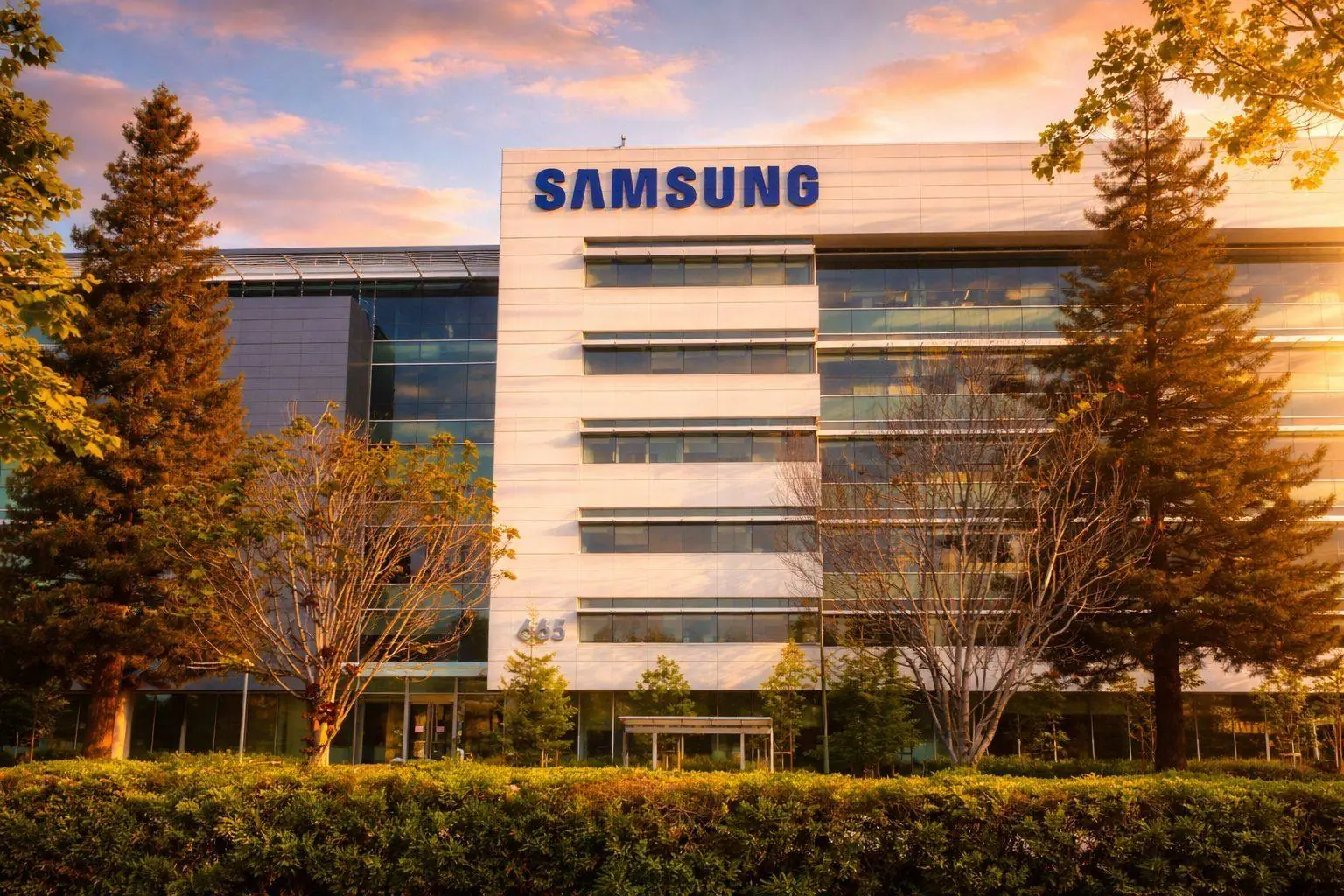
Samsung Electronics Co., Ltd. shares closed Friday at 139,000 won, ticking up 0.1%. The company’s earnings outlook suggested a record quarterly operating profit, fueling chip sector optimism ahead of a key catalyst later this month.
The numbers matter because Samsung stands at the heart of the memory-chip crunch affecting AI data centres, PCs, and phones. Traders see the latest guidance as further proof that traditional memory prices have firmed up once more, boosting near-term earnings potential despite uneven global demand.
The memory boom is now spilling over into the broader electronics supply chain. Co-CEO T M Roh described the situation as “unprecedented,” warning that “no company is immune” and that some price increases are “inevitable,” according to TechRadar, which referenced his remarks to Reuters.
Samsung projected consolidated sales for the fourth quarter at roughly 93 trillion won, with operating profit near 20 trillion won, according to Korean IFRS standards. The company provided sales estimates between 92 trillion and 94 trillion won, and operating profit forecasts from 19.9 trillion to 20.1 trillion won. It also highlighted that Korean disclosure rules require reporting a median figure instead of a range.
The guidance points to a steep rise from 12.17 trillion won in operating profit in Q3 and 6.49 trillion won in the same quarter last year, according to the company’s previously released figures.
Friday’s trading session highlighted ongoi… over how much is baked into the stock price. Shares swung between 135,200 won and 140,700 won but slipped back to close under 140,000 won following a late-day retreat.
A key driver is how long memory prices remain firm. Hankyoreh noted that Samsung’s DRAM average selling price — the per-chip average — surged over 30% quarter-on-quarter in Q4. The report also referenced Counterpoint Research’s predictions for more DDR5 price increases in early 2026.
High-bandwidth memory, or HBM — those stacked chips designed to speed data transfer alongside AI processors — remains a key focus for investors seeking clarity. Hankyoreh reports Samsung’s HBM operations are poised to accelerate in 2026, partly driven by anticipated increased shipments to Nvidia.
Peers aren’t far off in trading moves. South Korea’s SK Hynix stands as the nearest listed competitor, while U.S. firm Micron often serves as a gauge for global investors tracking memory price shifts. Demand for AI server memory continues to drive both earnings and volatility at these companies.
The setup isn’t straightforward. If memory buyers hesitate or AI server spending slows sooner than anticipated, chip prices could drop fast. Samsung also faces margin pressure in phones and TVs as component costs climb.
Samsung’s next key date is Jan. 29. According to its investor relations site, the company will hold its fourth-quarter earnings call at 10 a.m. KST. That’s when Samsung is expected to share the divisional breakdown missing from its guidance.