
Taipei, March 25, 2026, 23:14 (UTC+8)
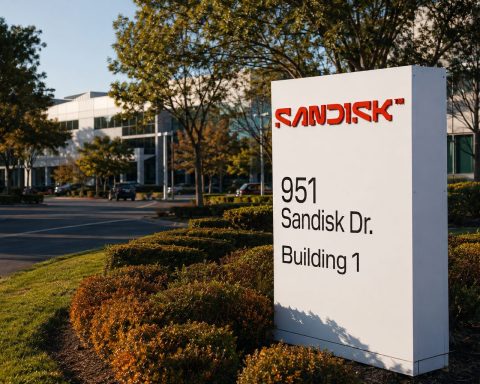
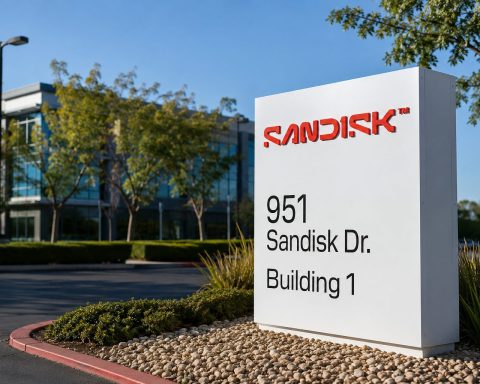
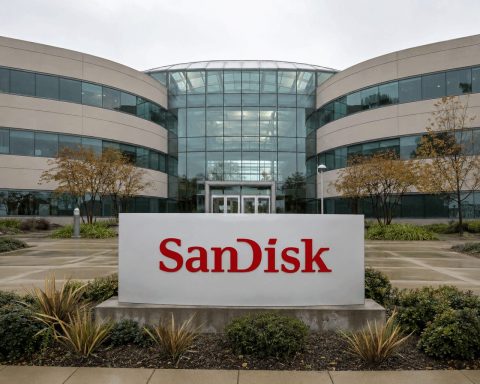
Sandisk on Wednesday announced plans to put about $1 billion into Taiwan’s Nanya Technology, tying the investment to a multi-year DRAM supply deal and taking a 3.9% equity stake in the process. The U.S. flash-memory maker is looking to lock in access to another key memory part. In U.S. trading, Sandisk shares slipped 3.5%. Nanya’s Taipei-listed shares, meanwhile, jumped 4.6%.
AI-driven demand is putting fresh strain on memory supply chains. DRAM—dynamic random access memory—powers servers, PCs, and storage systems. Now, more buyers are shifting toward multi-year supply agreements to secure capacity, moving away from shorter-term deals.
Sandisk Technologies, a fully owned subsidiary, struck a deal to pick up 138.685 million Nanya shares at NT$223.9 apiece via private placement—new shares offered to a select group of investors. That price carries a 15% discount to Nanya’s 30-day average under Taiwan’s rules. Nanya plans to channel the funds straight into factory facilities and production gear for advanced memory, as surging demand for next-gen AI ramps up compute needs.
The share buy included a supply pact—Nanya is set to supply Sandisk with DRAM products, tying into Sandisk’s long-term sourcing plans. Earlier, in January, Sandisk opted to push its flash-memory joint venture with Kioxia out to 2034. CEO David Goeckeler labeled that tie-up a “thriving collaboration” at the time. Securities and Exchange Commission
Supply lock-in is picking up pace, industry execs warn. Broadcom’s Natarajan Ramachandran noted this week that customers are committing to three- and four-year deals just to nail down enough capacity. Over at Solidigm, senior vice president Greg Matson said storage-memory supply is looking “tight” and added he could move “twice as much” as his current volumes. Reuters
Nanya on Wednesday revealed private placements to Kioxia and Solidigm, with Kioxia taking 70 million shares and Solidigm subscribing for 71.393 million—both deals priced at NT$223.9 per share. The move indicates the Taiwanese chipmaker is deploying new capital to strengthen its relationships with multiple strategic partners simultaneously.
There are more steps ahead for the paperwork. According to Sandisk’s subscription agreement, closing is set for within 15 calendar days of signing, provided all conditions are satisfied. After closing, Nanya gets up to 60 days to finish issuing the shares and handle the remaining regulatory steps in Taiwan.
The deal doesn’t erase the sector’s typical hazards. Sandisk’s Nanya stake remains locked up for three years, and Samsung last week flagged ongoing tariff questions and mounting expenses—even as AI-related chip demand holds up.
Nanya just posted a February revenue surge of 586.7% year-on-year, hitting NT$15.6 billion—timing that lines up with its cash influx. Sandisk, on the other hand, is plugging Nanya’s DRAM into its supply-security playbook, expanding on its established Kioxia partnership as AI-driven demand shakes up the memory landscape.
Related articles: NASDAQ:SNDK




![US Stock Market Today 08/26/2026 [UPDATE: 00:14 EDT] [Intuit Slides 10% as QQQ Starts New Trade Date Lower]](https://ts2.tech/wp-content/uploads/2026/08/US-market-dashboard-2026-08-26-0006-480x384.jpg "US Stock Market Today 08/26/2026 [UPDATE: 00:14 EDT] [Intuit Slides 10% as QQQ Starts New Trade Date Lower]")