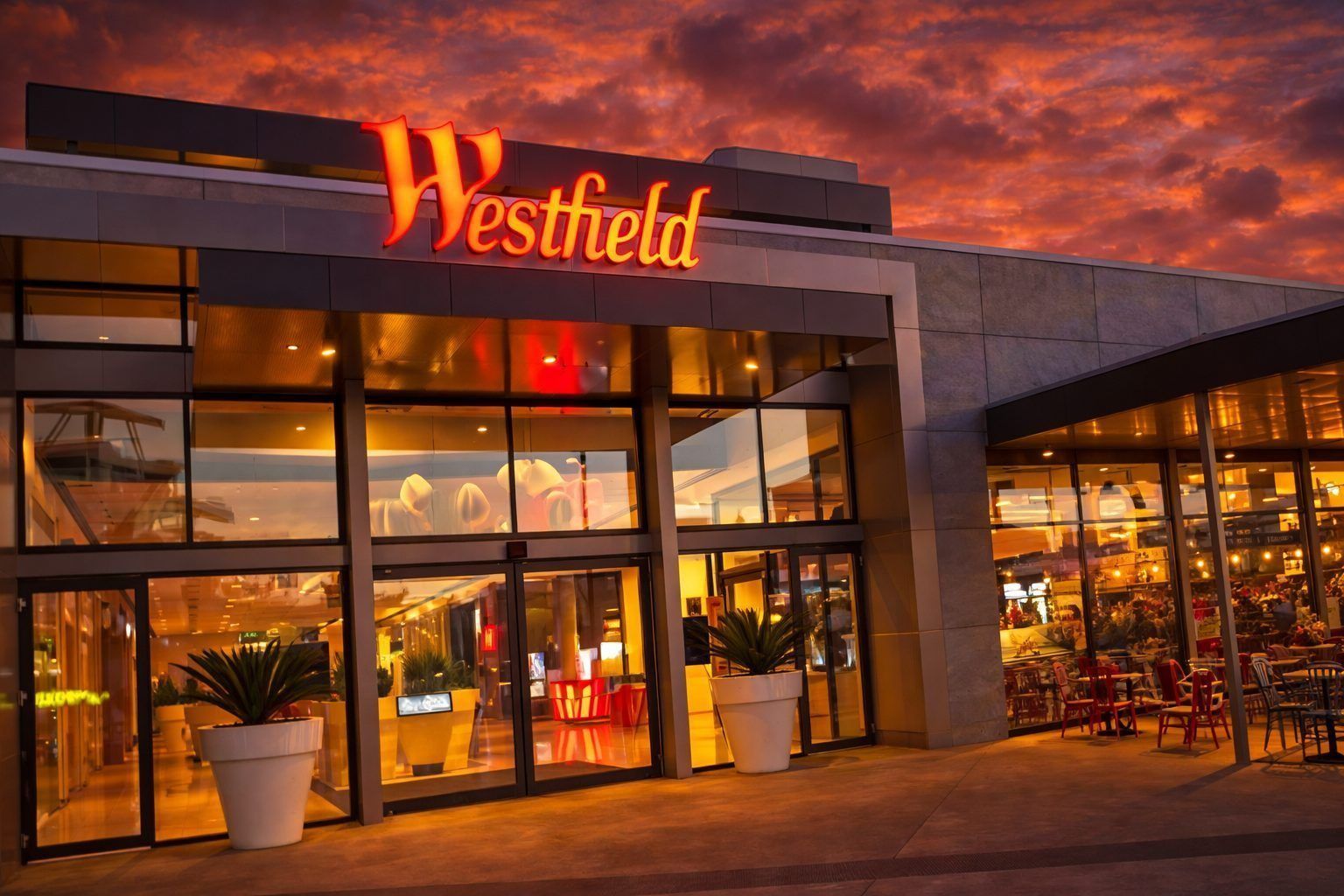
Scentre Group has agreed to sell a 19.9% stake in its flagship Westfield Sydney shopping centre to superannuation giant Australian Retirement Trust (ART) for A$864 million (about US$576 million), in a transaction priced at the asset’s June 2025 book value. Scentre will remain the majority owner and keep control of day-to-day operations, retaining an 80.1% interest and continuing as property, leasing and development manager. Scentre Group+1
On Wednesday, 24 December 2025, fresh details emerged on how ART plans to run the investment: Queensland-based institutional investor QIC will act as investment manager for ART’s new stake, while Scentre continues to manage the centre itself. The structure underscores a growing trend in Australian commercial property—big super funds taking direct positions in “trophy” real estate, often alongside specialist managers. Financial Standard
The deal at a glance: price, stake and what changes (and what doesn’t)
Under the agreement, ART will buy 19.9% of Westfield Sydney for A$864 million. Scentre said the price reflects its book value as at 30 June 2025 and implies a 4.69% valuation capitalisation rate—an important marker for property investors because it effectively signals the yield being paid for a premium asset. Scentre Group
Crucially for shoppers and tenants, the centre’s operating model is set to stay largely the same. Scentre will continue to own 80.1% of Westfield Sydney and remain responsible for leasing and development, meaning the group keeps strategic control of one of its most prominent assets even as it brings in a new capital partner. Settlement is expected in early February 2026. Scentre Group
The transaction also clarifies a key point that has been in focus across listed property markets: Scentre is not exiting its best malls—it is increasingly “joint venturing” them, turning a portion of mature assets into cash while keeping management and a majority stake.
Why Westfield Sydney commands super-fund attention
Westfield Sydney sits in the heart of the city’s central business district and is positioned as a premium retail destination, with Scentre citing more than 33 million customer visits each year and total business partner sales in excess of A$1.1 billion. Reuters reported the centre houses around 270 premium local and international retail stores. Scentre Group+1
For long-term investors like superannuation funds, that combination—high foot traffic, premium tenants, and a prime CBD location—can translate into relatively durable income through economic cycles. That’s particularly attractive when the buyer is investing for decades-long retirement liabilities rather than short-term trading gains.
The strategic play for Scentre: “capital recycling” and new growth runway
For Scentre, the Westfield Sydney sale is the latest step in a broader capital strategy: bring in third-party money at strong valuations, keep operating control, and use freed-up capital to fund development opportunities.
In its announcement, Scentre said that during 2025 it has announced about A$2.2 billion of new third-party capital coming into the group via joint ventures. Westfield Sydney follows a separate major 2025 deal in which Scentre joint ventured 50% of Westfield Chermside in Brisbane with two Dexus funds for A$1.3 billion. Scentre Group+1
Scentre also highlighted how much value it believes it has already extracted from Westfield Sydney over the long term. The group said it acquired and aggregated the precinct from 2001 and invested A$3.3 billion into the site over time. In 2019, it sold three office towers for A$1.5 billion, and—combined with the new ART deal—has now realised about A$2.4 billion from the precinct. After those realisations, Scentre says its net investment in Westfield Sydney is now about A$0.9 billion, while its remaining 80.1% interest is valued at A$3.5 billion. Scentre Group
The housing angle: why Scentre keeps talking about land and rezoning
Reuters tied the stake sale directly to a second pillar of Scentre’s forward strategy: converting land holdings into housing projects.
According to Reuters, Scentre has flagged plans to use around 670 hectares of land holdings to deliver more than 5,000 new homes and has already secured rezoning approvals for Westfield Hornsby in Sydney and Westfield Belconnen in Canberra, enabling more than 4,000 residential units in total. In that context, unlocking cash from mature retail assets without losing operational control can provide funding flexibility to pursue large, multi-year mixed-use housing developments. Reuters
In other words, the Westfield Sydney transaction is not just a property deal—it’s also a financing move aimed at expanding Scentre’s pipeline beyond traditional shopping-centre income.
What’s new on 24 December: QIC takes the investment mandate for ART
The most notable new detail reported on 24 December 2025 is ART’s appointment of QIC as investment manager for its Westfield Sydney interest. Financial Standard reported that while Scentre remains the centre’s property, leasing and development manager, QIC will manage ART’s investment exposure—an arrangement that can help large super funds scale direct real estate ownership while leaning on an established institutional platform. Financial Standard
Financial Standard also reported comments from ART leadership framing the acquisition as a long-term, resilient play, and quoting ART’s general manager (mid-risk assets and UK) Michael Weaver on partnering with Scentre and leveraging QIC’s expertise. The same report described ART as holding more than A$350 billion in members’ retirement funds and said the fund has around A$180 billion of Australian assets under management. Financial Standard
QIC’s real estate leadership also positioned the deal as a way to gain exposure to a high-performing retail asset supported by strong customer traffic and tenant demand—language that reflects a wider re-rating of prime retail assets as investor confidence returns to the top end of the sector. Financial Standard
Why this transaction matters for Australia’s superannuation and property markets
This Westfield Sydney deal lands at the intersection of two powerful forces in Australian finance:
- Super funds’ push into direct assets. Mega-funds like ART continue to seek large, high-quality assets that can absorb meaningful capital allocations and generate long-duration income.
- Listed property groups reshaping their balance sheets. Rather than selling assets outright, groups like Scentre are increasingly forming joint ventures—bringing in capital partners while retaining management and strategic influence over landmark sites. Scentre Group+1
The pricing will also be watched closely. Scentre’s disclosure that the transaction is in line with June 2025 book value, at a 4.69% cap rate, gives the market a live data point for how investors are valuing prime CBD retail real estate right now—particularly at a time when valuation debates remain intense across global commercial property.
What happens next: timeline and watchpoints into 2026
The next key milestone is settlement, which Scentre expects in early February 2026. Scentre Group
After that, attention is likely to shift to three questions:
- Will Scentre pursue more joint ventures? Management has been explicit that attracting third-party capital is part of its long-term plan, and 2025 has already been active on that front. Scentre Group
- How quickly can Scentre translate capital into development outcomes? Reuters has linked the funding flexibility to housing and mixed-use ambitions, including major rezoned sites. Reuters
- Will other super funds follow into premium retail? ART’s move—paired with a specialist mandate to QIC—may reinforce the view that “best-in-class” retail assets are regaining favour among large institutional investors. Financial Standard
For Scentre, the message is clear: it is monetising part of a crown-jewel asset at book value, keeping operational control, and using the capital and structure to expand into the next phase of growth. For ART, it’s a direct stake in one of Australia’s most prominent retail destinations—managed through a structure designed for long-term institutional ownership.