
NEW YORK, May 11, 2026, 10:02 EDT
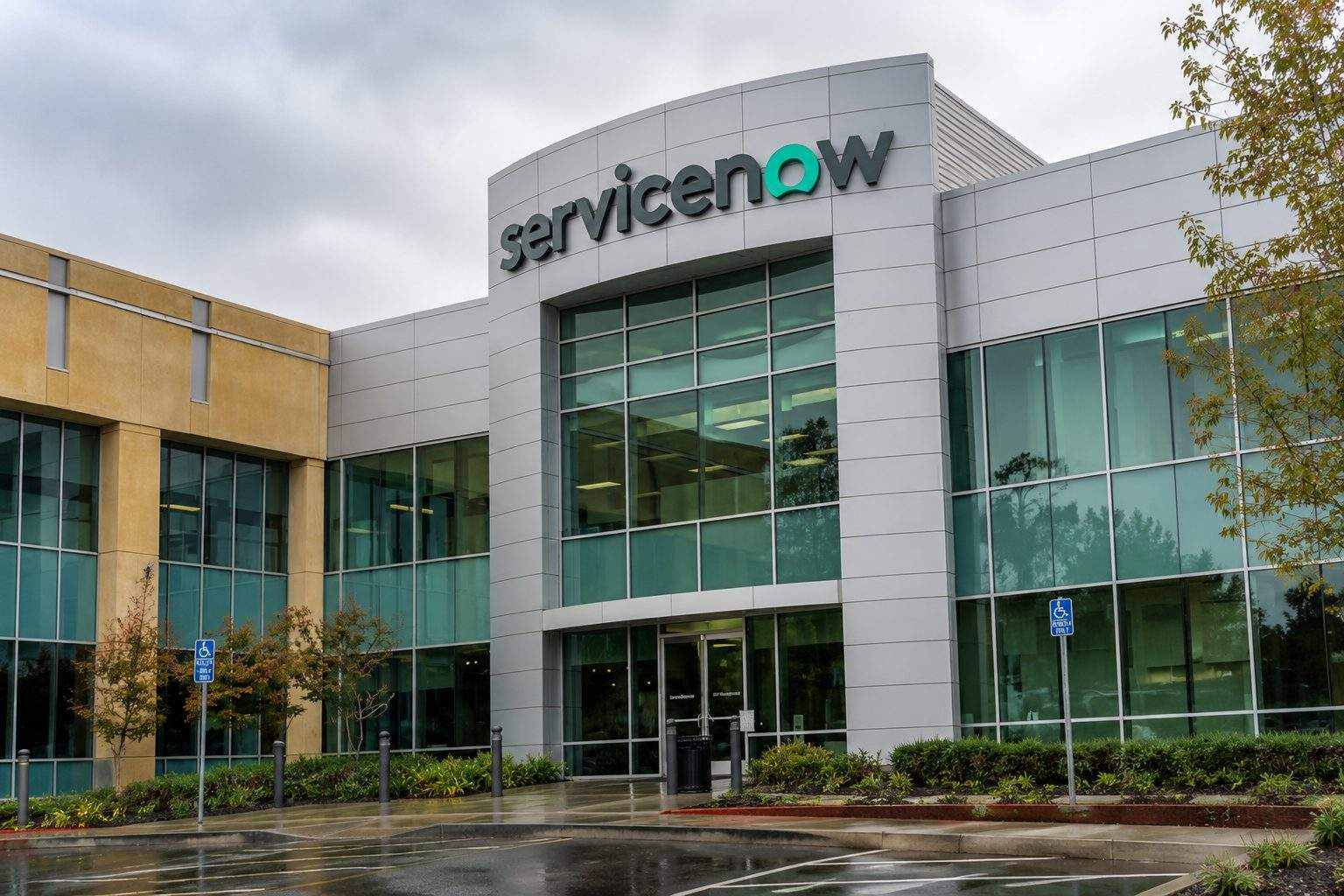
ServiceNow’s bold $30 billion AI revenue projection isn’t swaying KeyBanc, which is sticking to its Underweight rating and $85 target price—even after the company told investors it could nearly double subscription revenue by 2030. Analyst Jackson Ader maintained his bearish stance following ServiceNow’s investor day, according to StreetInsider.
The split’s drawing attention as ServiceNow shares, trading under ticker NOW, work to bounce back after a steep drop—investors are watching closely to see if AI gives enterprise software a boost or chips away at SaaS as we know it. Early Monday, ServiceNow was at $93.13, up 2.1%. Market cap: right around $97.1 billion.
KeyBanc’s concerns go beyond just the 2030 target. The firm calculated organic current bookings growth at ServiceNow hit 9.6% for the first quarter—marking the first single-digit print since late 2024. Looking ahead, KeyBanc sees growth dipping to 5.4% in the second quarter, though they predict a rebound to around 20% in the back half. Bookings, which reflect signed customer commitments, serve as a key indicator for future software revenue.
ServiceNow isn’t backing down on its ambitions. During its Financial Analyst Day in Las Vegas on May 4, executives rolled out a bold goal: more than $30 billion in subscription revenue by 2030. They also told analysts that ServiceNow AI could drive over 30% of annual contract value, or ACV—the metric for anticipated yearly contract sales.
Chief Financial Officer Gina Mastantuono didn’t call it a stretch just for effect. “It’s not a blue-sky scenario,” she told Fortune. Mastantuono pointed out ServiceNow was already tracking ahead of its 2021 five-year target by organic measures. Fortune
Signals for the near term are tough to read. ServiceNow posted a 22% jump in first-quarter subscription revenue, hitting $3.67 billion. Contract revenue set to be recognized over the next year climbed to $12.64 billion, up 22.5%. Total remaining performance obligations landed at $27.7 billion.
AI’s making the difference here. ServiceNow’s Now Assist hit $750 million in ACV in the first quarter of 2026, up from $600 million in 2025, and the company projects that figure will cross $1.5 billion before year-end, according to Business Insider. ServiceNow added that AI reasoning costs make up less than 10% of its cost to serve, a key reason gross margins have stayed north of 80% even as usage increases.
This isn’t just about a single chatbot. During Knowledge 2026, ServiceNow rolled out Otto—the company’s new enterprise AI experience—and Action Fabric. With Action Fabric, outside AI agents like Anthropic’s Claude or Microsoft Copilot can trigger governed actions directly on the ServiceNow platform. CEO Bill McDermott summed it up: “AI thinks and workflows act.” ServiceNow
ServiceNow tightened its partnerships with Microsoft and Nvidia. The Microsoft deal pushes AI Control Tower governance through Microsoft Agent 365. Over on the Nvidia front, the companies are rolling out Project Arc—an early-preview autonomous desktop agent, secured by Nvidia OpenShell and managed by ServiceNow AI Control Tower.
Still, the risk section looms. ServiceNow has pointed to postponed government contracts in the Middle East, and its $7.75 billion deal for Armis is set to squeeze 2026 margins—a hit of about 200 basis points to free cash flow margin is on the table. One basis point equals one-hundredth of a percentage point.
The backdrop remains brutal as Salesforce, Oracle, and Freshworks face scrutiny over whether AI agents are a drag on, or a boost for, their core software businesses. Reuters has pointed to AI tools from Anthropic and others putting pressure on shares of names like Salesforce and ServiceNow. Oracle, for its part, is busy overhauling its Fusion cloud suite, focusing on so-called “agentic apps.” Reuters Reuters
So, KeyBanc’s call doesn’t sit comfortably for ServiceNow. The pitch: investors need to buy into a years-long AI growth narrative. But doubts are lingering—skeptics keep circling questions about bookings, timing on deals, and whether clients will actually cough up more money as software takes over tasks people used to handle. “How things will evolve over the coming three, four, five years and even longer” is the real worry, Madison Investments portfolio manager Joe Maginot told Reuters, weighing in on the broader software dilemma. Reuters
Related articles: Artificial Intelligence