
NEW YORK, May 8, 2026, 05:04 EDT
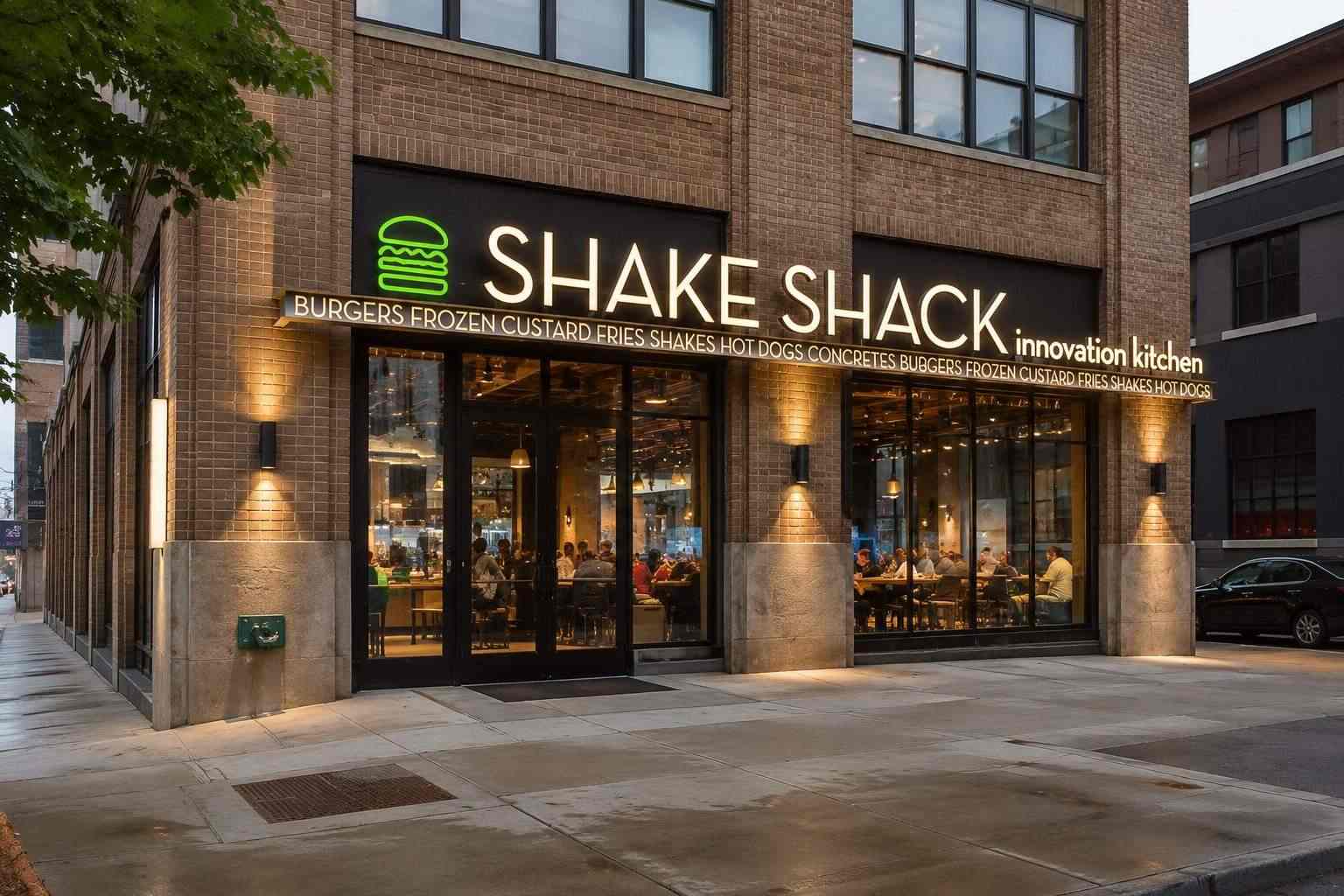
Shares of Shake Shack Inc. tumbled Thursday, dropping as much as 30.4% after the burger chain posted a first-quarter net loss, missed analyst expectations, and brought on a new CFO. Rising beef prices and higher spending weighed on results, with revenue coming in below forecasts. Investors reacted sharply, questioning how much expansion they’re willing to back under current pressures.
Shake Shack’s stock had been priced for big expansion—investors were buying into the chain’s new locations, reliable foot traffic, and that premium fast-casual angle. That narrative took a hit: while revenue kept climbing in the latest report, margins took a knock, squeezed by higher expenses in areas like marketing, tech upgrades, and a quicker rollout of company-operated stores. The shares dropped sharply, last seen at $69.24, a tumble of $27.27 from the previous close. Barron’s described it as the stock’s steepest percentage fall since 2015.
Revenue climbed 14.3% to $366.7 million, falling short of the $371.9 million analysts had projected, LSEG data via Reuters shows. Same-Shack sales—tracking locations open at least 24 full fiscal months—added 4.6%, as guest traffic increased 1.4%.
Profit headed south, amplifying the disappointment. Shake Shack swung to an operating loss of $2.6 million after reporting $2.8 million in operating income the year before. Net loss attributable to the company came in at $290,000, or 1 cent per diluted share. Adjusted EBITDA—stripping out factors like interest, taxes, depreciation, amortization, and certain other expenses—slipped 9.3%, landing around $37.0 million.
Shake Shack CEO Rob Lynch blamed the weather for a 240 basis point hit to comparable sales—so, 2.4 percentage points—but emphasized that “underlying sales and traffic momentum remained strong.” The company opened a record 17 new company-operated Shacks in its first quarter, which Lynch called its “largest first quarter of new units ever.” Shake Shack also lifted its 2026 guidance for company-run openings, bumping the target up to 60 to 65, from the previous 55 to 60. SEC
Costs were all over the map this quarter. Food and paper made up 28.3% of Shack sales—50 basis points higher than last year—thanks in large part to beef inflation running in the low teens. General and administrative expenses jumped to $53.6 million, fueled by more spending on marketing, tech, and hiring. Labor costs did show some improvement. Still, other operating expenses ticked up, with the company citing higher repair bills, extra maintenance, and the costs tied to supporting new locations.
Shake Shack expects second-quarter revenue to land between $424 million and $428 million, with Same-Shack sales tracking 3% to 5% higher. Looking further out, 2026 projections call for $1.6 billion to $1.7 billion in revenue, net income in the $50 million to $60 million range, and adjusted EBITDA of $230 million to $245 million.
Michelle Hook will step in as chief financial officer starting May 11. She previously served as CFO at Portillo’s and logged over 17 years at Domino’s. Hook’s remit includes handling finance, tax, treasury, investor relations, and reporting. Lynch described her as bringing “deep restaurant industry expertise.” Hook, for her part, pointed to Shake Shack’s “disciplined approach to building a beloved brand.”
The wider restaurant group isn’t offering much relief. Reuters points out McDonald’s posted softer sales growth for the quarter. Both Chipotle Mexican Grill and Restaurant Brands International have mentioned higher beef costs creeping in. Michael Gunther, senior vice president at Consumer Edge, flagged “broader signs of consumer strain” and said monitoring how Shake Shack deals with “elevated beef costs” will be crucial. Reuters
The bull case hasn’t disappeared. William Blair’s Sharon Zackfia told Barron’s the selloff looked excessive, arguing Shake Shack’s growth prospects are still “one of the strongest and most proven” in the emerging restaurant space. Barron’s
Still, there’s a risk that increased spending could outpace sales growth. April’s Same-Shack sales slid 0.6%, with Easter and spring break timing in play, and guidance factors in continued consumer spending pressures along with inflation. Shake Shack pointed to several risks: delays opening new locations, supply chain issues, labor costs, inflation, tariffs, potential closures, and ongoing digital investment needs.
Management is counting on a lift in May and June, thanks to the Smoky BBQ menu, a boneless baby back rib sandwich, plus World Cup-driven traffic in a few big markets. But investors are focused on one thing: how quickly Shake Shack can expand while holding onto its margins.
![Australia Stock Market Today 27/08/2026 [UPDATE: 12:45 AEST] [Ramsay Defies ASX Slide as Rate-Hike Bets Sink Tech]](https://ts2.tech/wp-content/uploads/2026/08/AU-market-dashboard-2026-08-27-1241-480x384.jpg "Australia Stock Market Today 27/08/2026 [UPDATE: 12:45 AEST] [Ramsay Defies ASX Slide as Rate-Hike Bets Sink Tech]")