NEW YORK, Dec. 28, 2025, 7:57 a.m. ET — Market closed.
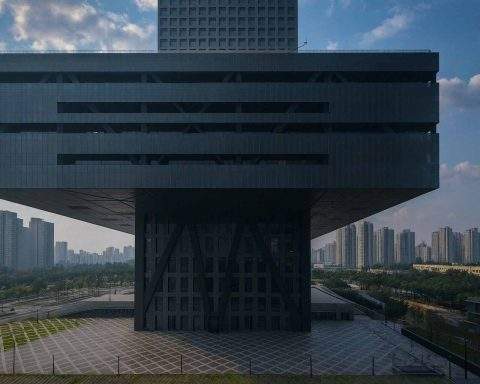
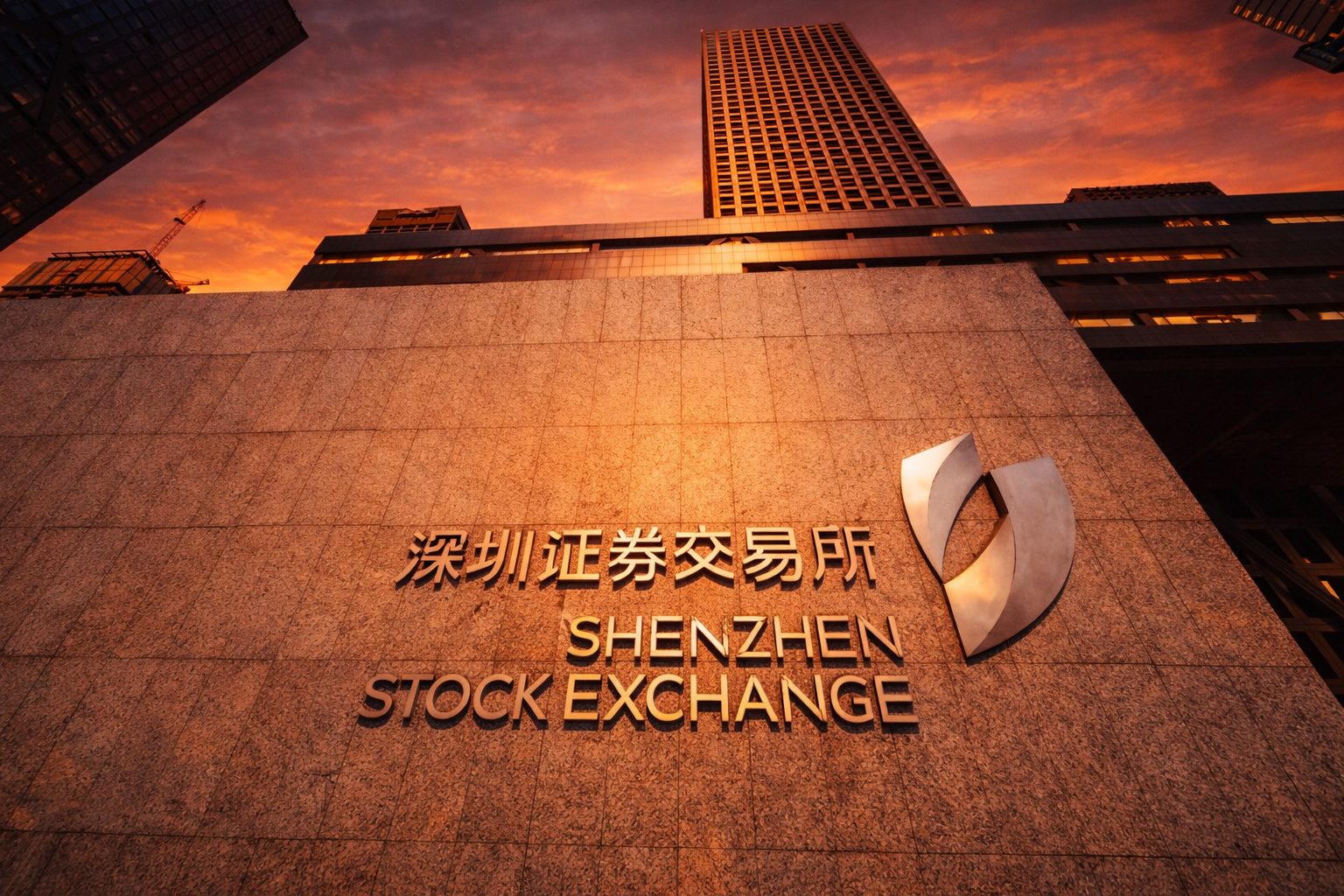
The Shenzhen Stock Exchange (SZSE) heads into its next trading session with investors balancing upbeat year-end positioning against a fresh set of policy signals and sector-specific warnings that matter disproportionately for Shenzhen’s tech- and manufacturing-heavy market.
Mainland China’s markets are shut for the weekend, but the headlines have not stopped. In the past 24–48 hours, Beijing has reiterated a more “proactive” fiscal stance for 2026, regulators have rolled out tighter oversight of cross-border financing tied to overseas listings, and one of China’s best-followed auto industry voices warned of a sharp near-term drop in lithium battery demand—an issue that hits Shenzhen-listed battery champions and the growth-focused ChiNext board (often described as China’s Nasdaq-style market). Xinhua News+3Reuters+3Reuters+3
Where Shenzhen left off: Friday’s close and the year-end tape
In the last regular session before the weekend, Chinese equities ended higher. The Shenzhen Component Index closed up 0.54% at 13,603.89, while the ChiNext Index added 0.14% to 3,243.88, according to state media. Turnover across Shanghai and Shenzhen totaled 2.16 trillion yuan (about $307 billion), up from 1.92 trillion yuan a day earlier—a reminder that year-end can still produce heavy volume when a theme catches fire. Xinhua News
Sector leadership was telling. Shares linked to commercial spaceflight, lithium batteries, and the Hainan Free Trade Port led gains, while papermaking and computing hardware lagged. For SZSE investors, that mix matters: Shenzhen has become a key venue for China’s “new economy” supply chain—from batteries and EV components to advanced manufacturing and smaller-cap tech. Xinhua News
The 48-hour headline stack investors are pricing into Monday’s reopen
1) Beijing signals “more proactive” fiscal policy in 2026
China’s finance ministry said fiscal policies will be more “proactive” next year, reiterating a focus on boosting domestic demand, supporting technological innovation, and strengthening the social safety net—language markets typically read as supportive for consumption and high-value industrial upgrading themes. Reuters
For Shenzhen specifically, that policy emphasis lands on familiar terrain: consumer-facing growth companies, advanced manufacturing, and innovation-driven firms that populate both the SZSE main board and ChiNext.
2) New cross-border rules target proceeds from overseas listings
Reuters reported that China will require domestic firms to repatriate funds raised from overseas listings “in principle,” under new guidelines aimed at tightening oversight of cross-border financing. The rules—issued by China’s central bank and the foreign exchange regulator—take effect April 1, 2026, and include requirements for dedicated capital accounts for settlements and, in principle, repatriation of proceeds from shareholder transactions related to overseas-listed shares. Reuters
While these rules are primarily about offshore fundraising and capital management, equity investors often watch them for what they imply about regulatory priorities and the relative attractiveness of onshore versus offshore financing routes—an especially relevant question for Shenzhen’s pipeline of fast-growing, capital-hungry companies.
3) EV and battery warning: “drop drastically” in early 2026 demand
The most directly Shenzhen-relevant headline: Reuters reported that Cui Dongshu, secretary general of China’s passenger car association, warned that demand for Chinese lithium batteries is likely to slump in early 2026, citing an expected tumble in domestic EV sales and slowing exports. Reuters
Cui said demand for “new energy batteries will drop drastically” from year-end levels and argued battery makers should cut production to manage fluctuations. Reuters noted the potential impact on major battery makers including Contemporary Amperex Technology (CATL) and EVE Energy—both listed in Shenzhen. Reuters
Adding a second layer to the outlook, Reuters also cited UBS analyst Yishu Yan, who flagged risks tied to U.S. restrictions on projects receiving investment tax credits that involve designated “foreign entities of concern”—a policy channel that can affect export-linked demand and global expansion plans for Chinese clean-tech manufacturers. Reuters
4) Solar crackdown talk: regulator warns against price collusion and fraud
China’s market regulator urged solar firms to curb deflationary price wars and warned against unfair practices including price collusion and fraud, according to Reuters. It also said it would intensify product quality supervision and crack down on illegal activity to maintain fair competition. Reuters
For Shenzhen, where clean-tech and industrial names are heavily represented, any hint that authorities want to stabilize pricing can matter for earnings expectations—especially after periods of margin pressure caused by oversupply and aggressive competition.
5) Steel supply-side message: output controls and “survival of the fittest”
China said it will continue regulating crude steel output and prohibit illegal new capacity from 2026 to 2030, Reuters reported, citing a statement that framed the sector as facing an insufficient supply-demand balance and calling for deeper supply-side reform during the next five-year plan period. Reuters
Even if steel is not “the” Shenzhen story, this matters as a broader signal: Beijing continues to talk in supply-discipline terms across heavy industry—an approach equity investors often connect to profit stabilization narratives, especially when markets shift focus from valuation expansion to earnings delivery.
Forecasts and analysis: why 2026 could be about earnings, not just sentiment
A key market debate heading into 2026 is whether Chinese equities can keep rising on confidence alone—or whether profits must do the heavy lifting. The South China Morning Post, summarizing strategist views, reported that UBS expects profit growth to accelerate to 8% from 6% in 2025, while JPMorgan Chase expects growth in a 9%–15% range. South China Morning Post
That framing matters for the Shenzhen Stock Exchange because ChiNext and many Shenzhen-listed growth companies tend to be priced on forward expectations. In other words: if earnings momentum appears, Shenzhen can look like a rocket; if margins disappoint, the same growth premium can turn into a trapdoor.
What investors should know before the next Shenzhen session
With the SZSE closed right now, the practical question is what could move prices at the reopen. Here are the issues most likely to shape the opening tone and early flows:
Year-end liquidity and positioning
The last days of the year can amplify moves. Global trading has been holiday-thinned at times, with investors watching rates expectations and risk appetite into 2026. Reuters’ late-week global markets wrap highlighted muted post-holiday conditions in some regions even as broader risk narratives (rate-cut expectations, precious metal strength) remained in play. Reuters
Battery and EV-linked volatility
Given Reuters’ reporting on a potential early-2026 battery demand slump, Shenzhen-listed battery makers and supply-chain names could see heightened sensitivity to any additional guidance on subsidies, tax incentives, export orders, or inventory levels. Reuters
Clean-tech pricing discipline
Solar-related names can react sharply to any indication that regulators want to cool destructive competition—or, conversely, that enforcement actions may raise compliance or operational risks. Reuters
Policy pulse: “proactive” fiscal stance
Investors will be watching for specifics—local implementation details, targeted consumption support, tech funding mechanisms, or social policy measures that translate rhetoric into earnings visibility for Shenzhen-heavy sectors. Reuters
Capital markets plumbing
The overseas listing repatriation rules are not an immediate Monday catalyst (they take effect April 1, 2026), but they can influence medium-term thinking about fundraising, capital allocation, and onshore/offshore market dynamics—especially for fast-growing companies that tap global capital. Reuters
Trading hours and the calendar: the “when” matters in a global market
For international investors timing exposure, the SZSE’s official English trading overview lists the session structure as an opening call auction (9:15–9:25), continuous auctions (9:30–11:30 and 13:00–14:57), and a closing call auction (14:57–15:00), Monday through Friday, with closures on public holidays and other announced dates. Shenzhen Stock Exchange
Looking beyond the next open, the Shenzhen Stock Exchange’s published 2026 holiday schedule shows the market will close for New Year from Thursday, Jan. 1, 2026, through Friday, Jan. 2, 2026, and resume trading Monday, Jan. 5, 2026—important context for anyone planning cross-border hedges or rebalancing around the turn of the year. Shenzhen Stock Exchange
For investors accessing Shenzhen via Stock Connect, Hong Kong Exchanges and Clearing posts the Stock Connect trading calendar and reference materials, updated as of Dec. 22, 2025—useful for confirming cross-market operational days around holidays. HKEX
The setup for Monday: a Shenzhen-specific take
The Shenzhen Stock Exchange is walking into its next session with a familiar late-cycle cocktail: supportive top-down policy language, tightening rulemaking around capital flows, and very specific sector micro risks (batteries, solar pricing, industrial supply discipline) that can swing ChiNext and Shenzhen’s component-heavy benchmarks.
The immediate question for the reopen is not whether “China stocks” are broadly risk-on or risk-off—but whether Shenzhen’s signature clusters (new energy, advanced manufacturing, growth tech) can translate policy narratives into earnings confidence, especially as 2026 expectations harden from hopeful stories into quarterly numbers. Xinhua News+3South China Morning Post+3Reu…