SHENZHEN, March 31, 2026, 17:27 (China Standard Time)
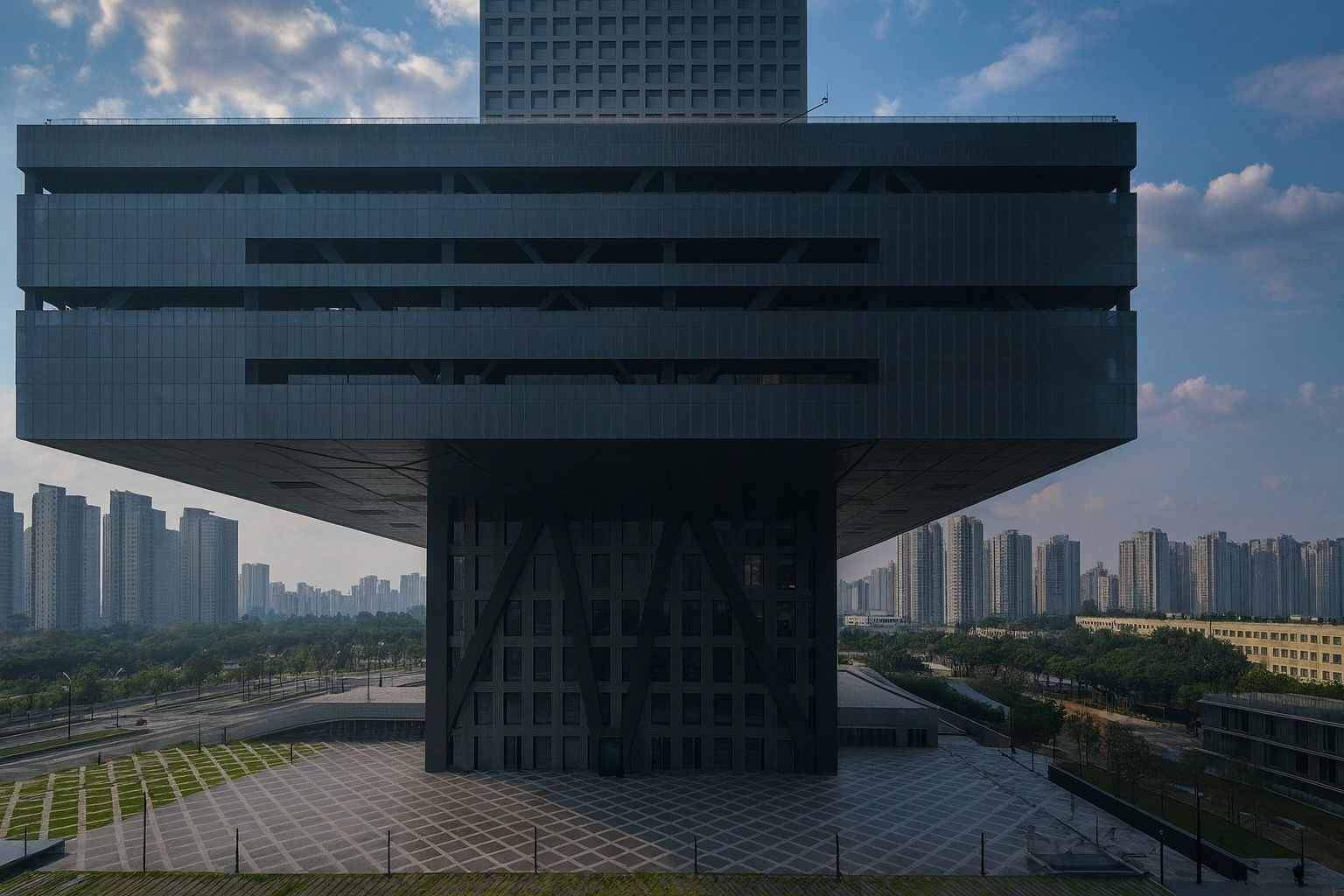
Shenzhen shares slumped Tuesday, with the Shenzhen Component Index dropping 1.81% to finish at 13,478.06. The ChiNext board tumbled even harder, losing 2.7% to close at 3,184.95. Fresh Chinese factory numbers landed stronger than expected, but traders kept unloading growth stocks, wary that the ongoing Middle East war could keep energy costs elevated and disrupt supply chains further. Xinhua News
It’s significant, given ChiNext serves as Shenzhen’s platform for growth companies. Earlier this month, Beijing called for the market to step up support for domestic tech firms. The securities regulator described reforms as mostly finished, promising sharper listing criteria and quicker vetting for strong innovators. Reuters
China’s official purchasing managers’ index came in at 50.4 for March, up from February’s 49.0—putting the survey-based factory reading just back in growth territory. Non-manufacturing PMI ticked up as well, reaching 50.1, according to the latest data. Still, the modest climb wasn’t enough to lift sentiment in Shenzhen. Government of China
Riskier sectors took the brunt of the selloff. Mainland new energy and semiconductor stocks slid roughly 3% apiece. The Shanghai Composite finished down 0.8% at 3,891.86, with Shenzhen lagging behind the main index. Business Recorder
Since the end of February, the Shenzhen Component has fallen around 7.0%, based on Tuesday’s close. The Shanghai Composite isn’t far behind, off roughly 6.5% for March. ChiNext, meanwhile, has given up about 3.8% in that span. Xinhua News
Shenzhen’s drop stands out, especially as global bank research on China gets more upbeat. J.P. Morgan just named China its top pick in Asia this month. HSBC isn’t budging from its overweight call. Goldman Sachs argues China’s set to weather the oil shock better than some others, pointing out that Chinese stocks outperformed Japan and South Korea in March. Reuters
“The outlook for Q2 is unclear at this stage,” said Zhiwei Zhang, chief economist at Pinpoint Asset Management, citing high energy prices as a key concern. He noted that investors are growing anxious about the risk of a global slowdown and ongoing supply-chain snarls. Reuters
“Exports and PMI may face risks in the second half of the year,” said Dan Wang, director for China at Eurasia Group. She pointed out that a worsening Iran crisis could tip major economies, Europe in particular, into recession. Reuters
The factory rebound, though, isn’t quite as sturdy as the headline numbers imply. Some economists pointed to distortions from a late Lunar New Year in the March data. Meanwhile, the National Bureau of Statistics flagged a sharp rise in the raw-material purchase price gauge—it jumped to 63.9 from 54.8. New export orders improved but remained stuck below 50, still signaling weak foreign demand. Reuters
In another move, Beijing is looking to restore confidence in its capital markets. On Tuesday, prosecutors charged former CSRC vice chairman Wang Jianjun with bribery and abuse of power—an episode wrapped into a broader anti-corruption campaign that officials claim is aimed at polishing the regulator’s reputation and drawing in long-term funds. Reuters