
Key Facts You Should Know
- Who can benefit: The opt‑out collective claim led by consumer group Which? could compensate around 29–30 million UK consumers who purchased new Apple or Samsung 4G smartphones between 1 October 2015 and 9 January 2024smartphoneclaim.co.uk. Eligible handsets include iPhone and Galaxy models from the iPhone 7/Galaxy S7 era onwards, provided they were bought new in the UK or on a UK mobile contract.
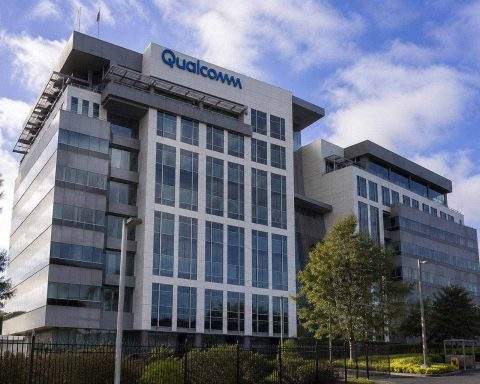
- Allegations against Qualcomm: Which? alleges that chipmaker Qualcomm abused its dominant position in the market for 4G modem chipsets and essential patents. By refusing to license patents to rival chip makers and requiring handset manufacturers to pay inflated licensing fees for its technology, Qualcomm allegedly forced Apple and Samsung to pass these overcharges on to consumershausfeld.comsmartphoneclaim.co.uk.
- Potential compensation: If the claim succeeds, Qualcomm could owe UK consumers about £480 million. This translates to roughly £17 per eligible handset, though individual payouts could vary depending on the outcome of the damages stagebbc.comminutehack.com.
- Legal timeline: The claim was filed in February 2021 and has undergone years of pre‑trial hearings. The first stage of the trial began on 6 October 2025 at the UK’s Competition Appeal Tribunal (CAT), focusing on whether Qualcomm held and abused a dominant market positiontechdigest.tv. A second trial, if necessary, will determine the damages owedcatribunal.org.uk.
- Why this case matters: It is one of the first major opt‑out collective actions under the Consumer Rights Act 2015, which allows a single representative to sue on behalf of millions of consumers. The outcome could influence future class actions against tech giants, particularly over standard‑essential patents and licensing practices.
Background: How Which? Took on Qualcomm
Alleged Abuse of Market Power
Qualcomm is a leading manufacturer of modem chipsets and holds patents essential for connecting smartphones to 4G networks. According to Which?, Qualcomm’s market dominance allowed it to charge handset manufacturers excessively high royalties and licensing fees, which were typically calculated as a percentage of each smartphone’s pricehausfeld.com. Which? argues that these inflated fees forced Apple and Samsung to pass the costs on to consumers, resulting in higher smartphone prices or lower‑quality devices for millions of UK buyerssmartphoneclaim.co.uk.
The consumer organisation asserts that Qualcomm engaged in several anti‑competitive practices:
- Refusal to license patents to rival chip makers: By declining to license its standard‑essential patents to competing chipset manufacturers, Qualcomm allegedly stifled competition and ensured that manufacturers had to continue buying its chipshausfeld.com.
- “No licence, no chips” policy: Which? claims Qualcomm refused to supply its chipsets to handset makers unless they also obtained a patent licence and paid royalties. These royalties were charged even when the handset makers did not use Qualcomm chips, effectively forcing them to pay twicehausfeld.com.
The UK Collective Action and Trial Structure
The claim was filed with the CAT on 18 February 2021 as one of the first opt‑out collective actions under the Consumer Rights Act 2015. Which? seeks to recover overpaid sums on behalf of all UK consumers who purchased new Apple or Samsung 4G smartphones during the class periodcatribunal.org.uk. The Tribunal authorised Which? to act as class representative in May 2022, allowing the case to proceed to trialhausfeld.com.
The trial is divided into two stages:
- Liability (Dominance and Abuse): The first stage, which began on 6 October 2025 and is scheduled to last five weeks, examines whether Qualcomm held a dominant position in the markets for 4G chipsets and patent licensing and whether it abused that dominancetechdigest.tv. Evidence will focus on Qualcomm’s licensing policies, its market share, and the alleged overcharges.
- Damages: If the tribunal finds that Qualcomm abused its dominance, a second trial will assess the losses suffered by class members and determine compensationcatribunal.org.uk. Which? estimates total damages at around £480 million—approximately £17 per phoneminutehack.com.
Who Is Eligible?
The claim automatically includes consumers who bought new Apple or Samsung 4G smartphones in the UK (or under a UK mobile contract) between 1 October 2015 and 9 January 2024smartphoneclaim.co.uk. Eligible models include popular iPhones and Samsung Galaxy devices (e.g., iPhone 7/Samsung S7 and subsequent models). Consumers do not need to take any action to join; they are included unless they opt out. Excluded individuals include Qualcomm employees, members of Which?’s legal team, and Tribunal staffsmartphoneclaim.co.uk.
Statements from Which? and Qualcomm
Anabel Hoult, CEO of Which?, has framed the lawsuit as a test of consumer power. She emphasised that smartphone prices are already high and that collective action offers consumers a realistic way to seek redress: “This trial is a huge moment. It shows how the power of consumers—backed by Which?—can be used to hold the biggest companies to account if they abuse their dominant position”techdigest.tv. Hoult further noted that without the opt‑out regime, it would not be feasible for individuals to sue a company like Qualcommindependent.co.uk.
Qualcomm has denied wrongdoing, arguing that its licensing and pricing practices reflect the value and innovation of its technology. It has previously stated that the case “has no basis,” and it continues to defend its policies, citing a lack of antitrust duty to license to competitors and arguing that its “no licence, no chips” policy applies neutrally to all handset makersthisisthecoast.co.uk. Qualcomm’s defence draws support from its victory in United States v. Qualcomm, where a U.S. appellate court ruled that the company’s OEM‑level licensing of standard‑essential patents did not violate antitrust law and that it owed no duty to license chips to rival supplierslaw.justia.com.
Legal and Regulatory Context
Past Antitrust Actions Against Qualcomm
The Which? case does not exist in isolation—Qualcomm has faced multiple antitrust investigations globally:
- European Union: In 2019 the European Commission fined Qualcomm €242 million for selling 3G baseband chipsets at predatory prices to drive rival Icera out of the market. Commissioner Margrethe Vestager noted that the firm’s actions “prevented competition and innovation in this market” and limited consumer choice. On appeal, the EU General Court upheld the fine in 2024 but reduced it slightly to €238.7 millionreuters.com. Separately, a €997 million fine imposed in 2018 for exclusive deals with Apple was annulled by the same court in 2022 due to procedural errorsquinnemanuel.comreuters.com.
- United States: The U.S. Federal Trade Commission sued Qualcomm in 2017, alleging monopolisation of the CDMA and LTE modem‑chip markets. The Ninth Circuit Court of Appeals reversed a district court ruling and vacated an injunction in 2020. The appellate panel held that Qualcomm’s OEM‑level licensing policy and “no licence, no chips” practice were not anticompetitive and that no antitrust duty exists to license standard‑essential patents to rival chip supplierslaw.justia.com. Qualcomm highlighted this decision when defending against Which?’s allegations.
- Canada: Canadian consumers have also launched class actions alleging that Qualcomm conspired to restrict competition and overcharged for chips and licences. A British Columbia class action filed in 2018 covers Canadians who purchased devices containing Qualcomm chips or paid royalties between 2007 and 2023cfmlawyers.ca. A separate action covers consumers in Quebeccfmlawyers.ca. The BC Supreme Court certified the action in September 2023 despite Qualcomm’s efforts to dismiss the casecfmlawyers.ca. These cases are ongoing.
- U.S. Consumer Class Action: In the United States, a consolidated class action (In re Qualcomm Antitrust Litigation) seeks damages on behalf of consumers who bought phones with Qualcomm chips since 2011. Experts estimate potential damages between US$4.84 billion and US$5.54 billion, but the case remains unresolvedtopclassactions.com.
Significance of the UK Case
The Which? action is notable because it tests the Consumer Rights Act 2015—the legislation that introduced opt‑out collective proceedings in the UK. Prior to this, consumers could only take opt‑in class actions, making large‑scale claims impractical. The smartphone case demonstrates how consumers can collectively challenge alleged competition abuses without individually filing suits. Many legal experts view the trial as a landmark for UK consumer law and a bellwether for similar claims in the tech sector.
The UK Competition and Markets Authority (CMA) has also scrutinised Qualcomm’s practices. Although the CMA has not formally intervened in the case, it has emphasised that competition in the smartphone market is essential to ensure fair prices and innovation. The combination of regulatory oversight and private collective actions may deter future abuses of market power.
What Happens Next?
The first stage of the trial will determine whether Qualcomm abused its dominance. If the tribunal rules against Qualcomm, the case will move to a second stage to assess damages. Even if Which? succeeds, compensation may not be paid for several years; appeals are likely, and Qualcomm continues to maintain that the claim is unfounded.
Consumers who bought Apple or Samsung smartphones during the class period need not take any action to participate—the claim is opt‑out. Those who wish to stay informed can register for updates on the dedicated smartphone claim websitesmartphoneclaim.co.uk.
Why This Case Matters to You
If you purchased a new iPhone or Samsung Galaxy between 2015 and early 2024, this collective action could lead to a modest payout. More importantly, the case underscores the growing power of consumer collectives to challenge corporate practices that they believe raise prices or restrict choice. The outcome could reshape how technology companies license their patents and set prices, potentially leading to fairer competition and lower costs for consumers.
Stay tuned for updates as the trial progresses—your smartphone purchase could soon entitle you to compensation.
In summary, the report details how consumer advocacy group Which? is spearheading a £480m opt-out collective action against chipmaker Qualcomm, alleging it abused its dominant position to overcharge Apple and Samsung for 4G chipsets and licensing, costs that were passed to UK consumershausfeld.com. The case could compensate around 29–30 million UK smartphone owners who bought new Apple or Samsung devices between October 2015 and January 2024, equating to about £17 per eligible handsetsmartphoneclaim.co.uk. The trial opened on 6 October 2025 at the UK Competition Appeal Tribunal and, if liability is established, a second trial will determine damagestechdigest.tv.
The report also places the UK claim in a global context, noting Qualcomm’s history of antitrust scrutiny. It highlights the EU’s €238.7m predatory-pricing fine, the FTC case that was overturned on appeal in the U.S., and ongoing class actions in Canada and the United Statesreuters.com. Moreover, it explains that this is one of the first major tests of the UK’s opt-out collective action regime, potentially setting a precedent for future consumer-led challenges against tech giants. The piece concludes that while any payout may be years away and Qualcomm denies wrongdoing, the case underscores growing consumer power to seek redress through collective legal action and could reshape patent-licensing practices across the industry.
Related articles: NASDAQ:QCOM