NEW YORK, January 1, 2026, 15:16 ET
Silver’s record 2025 rally has reset the starting point for the 2026 silver price forecast, after the metal rose 161% and broke the $80-per-ounce mark for the first time. Gold climbed 66% and copper hit an all-time high of $12,960 a tonne on the London Metal Exchange, keeping metals in focus as traders map the next move. “Demand for metals is looking solid from both an industrial and retail perspective,” said Tim Waterer, chief market analyst at KCM Trade. Reuters
The outlook matters because silver sits on both sides of the economy: it is an industrial input and a financial asset. That mix means price swings can hit manufacturing costs while also shaping investor positioning.
Silver does not pay interest, so expectations for U.S. rate cuts in 2026 can boost demand as the opportunity cost of holding bullion falls. At the same time, changes in factory demand can pull prices around more abruptly than in gold. Analysts say that is why silver can move faster in both directions.
Bank of America lifted its 2026 forecast for silver to $65 an ounce, with an annual average of $56.25, in an Oct. 13 note. The bank said a persistent supply shortfall should keep the market supported even as it forecast an 11% drop in demand next year, and it cited the Silver Institute’s view that the market is heading for a fifth year of structural deficit — when demand exceeds supply. It also pointed to tighter conditions in London after metal was moved to New York, reflected in higher lease rates, the cost of borrowing silver.
A Reuters poll of 39 analysts and traders in October forecast silver would average $50 an ounce in 2026. Respondents cited supply deficits and demand from sectors including solar technology, electric vehicles and AI data centres. They also said investors often view silver as a cheaper alternative to gold.
Those benchmarks were set before silver pushed above $80 in 2025, leaving a wide gap between annual-average projections and the levels seen during the year-end rally. For investors, that gap raises the bar for how quickly supply tightness and industrial demand can absorb fresh buying.
The rate outlook will do much of the work in early 2026. Lower yields generally support precious metals, while a stronger dollar can act as a headwind because it makes bullion more expensive for non-U.S. buyers.
Industrial demand is the second pivot. Silver’s use across power and electronics supply chains ties it to the pace of investment spending, even when macro investors dominate day-to-day price action.
On the supply side, traders are watching inventories and physical availability. When availability narrows, the futures market can react sharply as traders compete for deliverable metal.
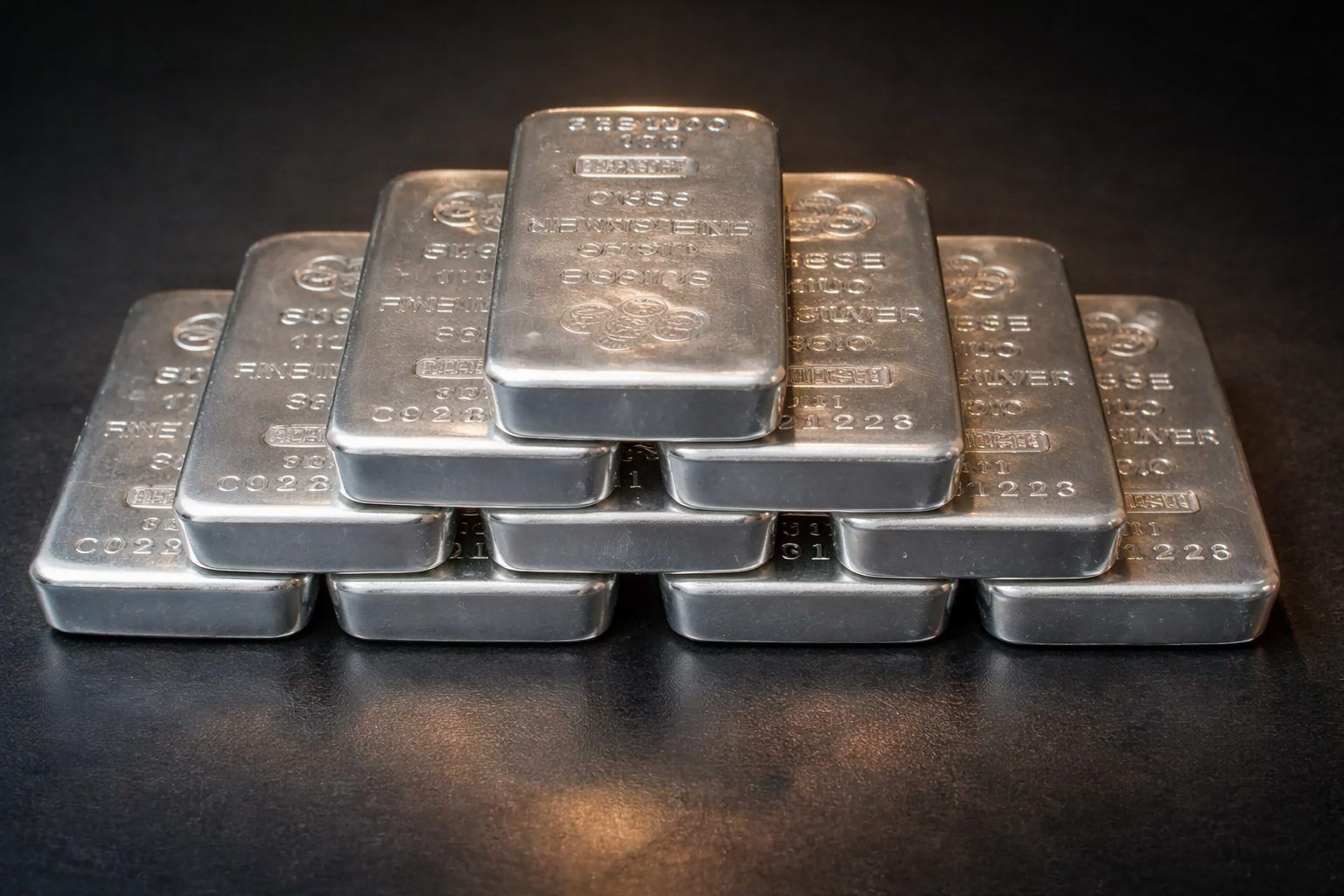
Most institutional trading runs through futures contracts and exchange-traded funds (ETFs), which track silver and trade like stocks. Retail demand shows up in coins and bars, where premiums can rise when supplies are scarce.
Bulls are leaning on the same pillars that lifted the metal in 2025: falling rates, firm industrial use and constrained supply. Bears point to the risk that demand cools at elevated prices or that investment flows reverse after a fast run.
For now, the 2026 silver outlook is framed by two widely cited yardsticks — a $50 annual average from the Reuters poll and Bank of America’s $65 target — against a market that has already traded above $80. The next stretch of economic data and central-bank signals will determine whether those forecasts hold, or move again.