New York time check: It is 1:30 p.m. ET in New York on Friday, December 26, 2025.
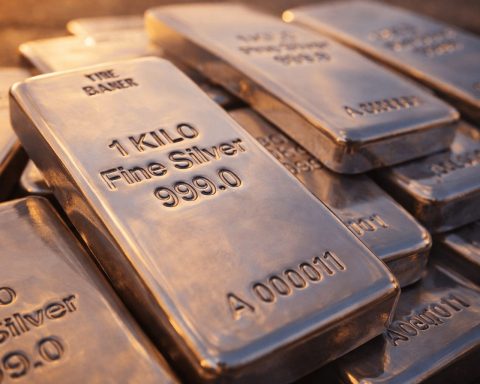
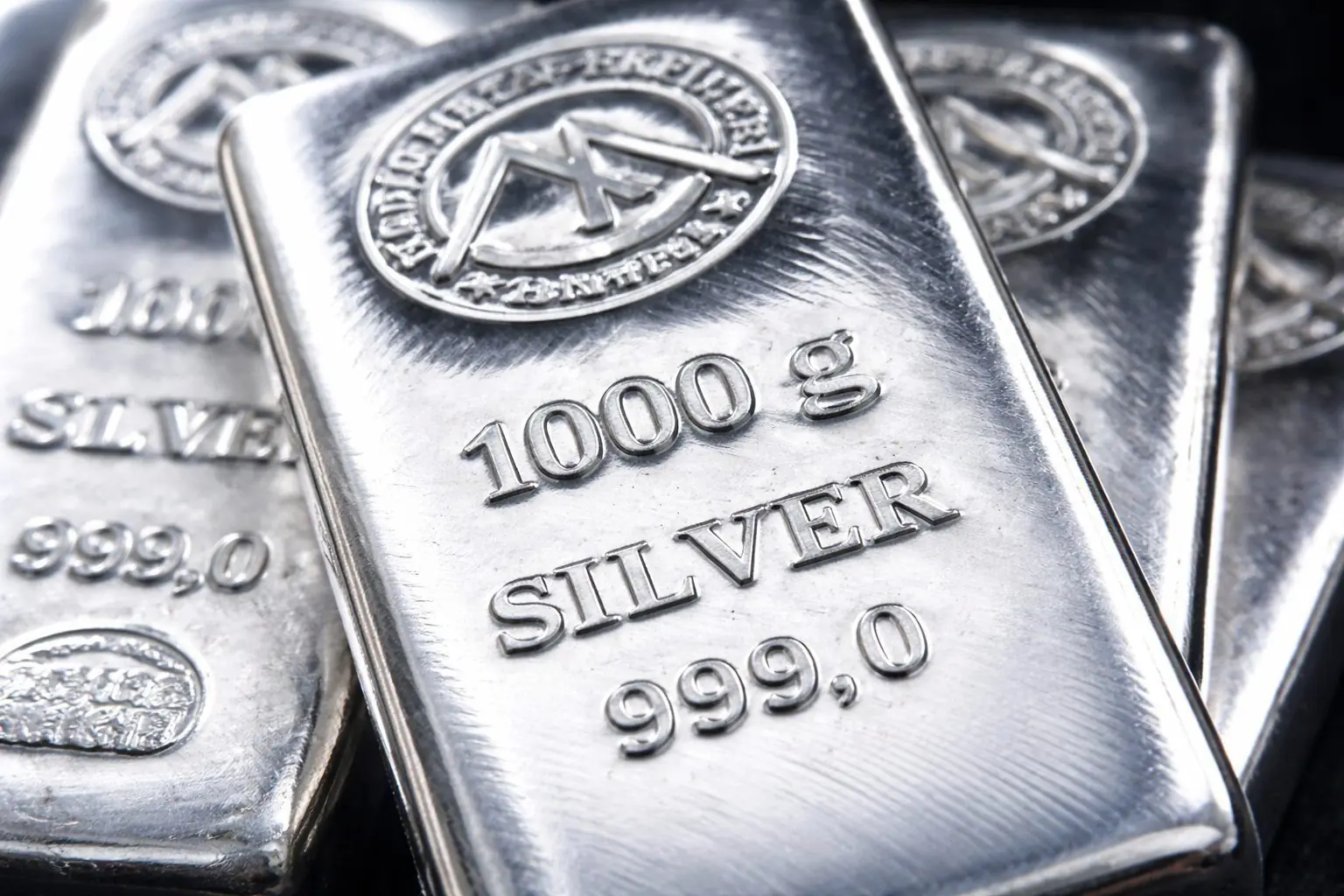
Silver is making headlines into the year’s final stretch. In thin post-Christmas trading, spot silver pushed through the $76 level for the first time, notching a new all-time high near $76.46/oz before hovering around $76.24/oz midday in New York, according to Reuters. Reuters
That surge is unfolding as U.S. stocks sit near record territory, with the S&P 500 and Nasdaq hovering around all-time highs and investors juggling year-end positioning, rate-cut expectations, and a market narrative increasingly dominated by AI investment and macro policy risk. Reuters+1
Silver price today: where the market stands right now
Silver’s move isn’t just another “risk-on/risk-off” swing—it’s a continuation of a powerful 2025 run that has turned precious metals into one of the market’s biggest stories.
- Spot silver: Reuters reported $76.24/oz around 12:03 p.m. ET, after an intraday record of $76.46/oz. Reuters
- Silver futures: Investopedia noted silver futures hitting new highs around $76.82/oz in Friday’s session. Investopedia
- XAG/USD screens: Investing.com showed silver around the mid-$76 range, reinforcing that the record move is visible across widely followed retail and professional pricing feeds. Investing.com
With silver now trading at record levels, even small shifts in the dollar, yields, or liquidity can translate into outsized intraday swings—especially during the holiday week.
Why silver is ripping higher: the macro forces behind the spike
Silver is being pulled by the same big levers moving gold—but with its own twist: a smaller, less liquid market and heavier industrial exposure, which can amplify both rallies and drawdowns.
1) Rate-cut expectations and the “real yield” story
A core support for precious metals in late 2025 has been the market’s view that U.S. monetary policy is likely to get easier in 2026. Reuters reports that markets have been focused on what the Fed does next, and the coming Fed minutes are a major near-term catalyst for risk assets broadly. Reuters+1
Lower (or falling) yields reduce the “carry disadvantage” of holding non-yielding assets like silver—one reason metals can rally even when equities are strong.
2) A weaker dollar helps dollar-priced metals
A softer dollar makes metals cheaper for non-U.S. buyers, often boosting demand at the margin. Reuters highlighted the dollar’s weakness as part of the broader record run in precious metals this week. Reuters+1
3) Geopolitics and safe-haven demand—plus “thin markets”
Reuters described “thin markets” and year-end liquidity as a volatility accelerant in this record run, with geopolitical tension contributing to safe-haven buying. Reuters+1
4) The stock market backdrop: record highs, rotation, and year-end flows
The silver rally is landing at a time when U.S. equities are still strong, but leadership has been shifting. Reuters reported that stocks hovered near highs in post-Christmas trading, while investors continued debating whether 2026 becomes a “prove-it year” for AI-driven corporate spending and profits. Reuters
At the same time, Reuters’ “Week Ahead” report emphasized that year-end portfolio adjustments and light trading volumes can exaggerate moves—an important point for a metal as volatile as silver. Reuters
The silver-specific fundamentals: deficits, tight physical markets, and industrial demand
Silver isn’t moving on macro alone. Industry data and bank commentary point to a market that has been grappling with physical tightness and structural deficits, even as high prices trigger demand “thrifting” in some applications.
A market running deficits—again
The Silver Institute said in November that the market is on course for a fifth successive structural deficit, estimating a 2025 deficit around 95 million ounces and a cumulative deficit close to 820 million ounces across 2021–2025—a framework many analysts cite to explain persistent tightness. The Silver Institute
The same Silver Institute update highlighted how 2025 has featured record prices, a liquidity squeeze, and record-high lease rates—a wonky-sounding detail that matters because it reflects the cost (and difficulty) of sourcing physical silver in the wholesale market. The Silver Institute
Industrial demand: solar thrifting vs AI and EV growth
Silver Institute commentary also points to a nuanced industrial picture:
- Industrial demand was forecast to dip modestly in 2025, partly due to economic uncertainty and more rapid “thrifting” (using less silver per unit), including in photovoltaics. The Silver Institute
- But the Institute also flagged areas supporting demand, including AI-related data center growth and continued EV expansion. The Silver Institute
That combination—some demand getting more efficient while new technology cycles expand overall usage—helps explain why silver can act like both an industrial metal and a monetary metal at the same time.
The plumbing of the physical market: London tightness and ETF gravity
A Reuters factbox on silver market structure explains how the “real world” market works:
- London is a key hub for OTC physical trading, and Reuters noted London vaults held 27,187 tons of silver at the end of November 2025. Investing.com
- On the investment side, ETFs matter because they can pull physical metal into vaults when investor demand surges. Reuters noted the largest silver ETF, iShares Silver Trust, held about 529 million ounces (worth tens of billions at current prices). Investing.com
In other words: when silver gets hot, the “financial” side can quickly collide with the “physical” side.
What the experts are saying: latest targets, warnings, and forecasts
Silver’s 2025 rally has been so extreme that older forecasts have been overtaken by the tape. Still, the newest reporting offers a clear map of how analysts are thinking about upside potential—and the risks.
Near-term targets: $77–$80 now on traders’ radar
On Friday, Peter Grant, vice president and senior metals strategist at Zaner Metals, said $77/oz and then $80 were “within reach” for silver into year-end, while also acknowledging the risk of profit-taking. Reuters
Grant has also tied the move to a familiar cocktail: Fed expectations, dollar weakness, and geopolitics—supercharged by thin liquidity. Reuters
The volatility warning: silver can be a “leveraged” version of gold
Reuters previously quoted Rhona O’Connell, head of market analysis at StoneX, describing the rally as heavily driven by investment/speculative forces—even if fundamentals help. In the same report, O’Connell warned that if gold moves by “x%,” silver often moves 2x% to 2.5x% due to its smaller market. Reuters
That’s another way of saying: silver can reward momentum, but it can punish crowded positioning quickly.
A “supportive environment” view—before silver reached today’s highs
In mid-December, Reuters quoted Nitesh Shah, commodities strategist at WisdomTree, saying the mix of tight inventories and macro demand created a supportive environment and that prices could approach $75/oz by end-2026. Reuters
Silver has now reached and exceeded that level sooner than many expected—underscoring just how aggressively the market has repriced.
Big-bank outlooks: wide dispersion (and some forecasts now look stale)
Not all bank forecasts have kept pace with the move:
- Bank of America lifted its outlook in October, saying it saw silver at $65 in 2026, while warning of near-term correction risk and citing dislocations tied to physical flows and high lease rates. Reuters
- HSBC raised its average price forecasts (published in August) but still projected mid-$30 averages for 2025–2027—illustrating how rapidly the market has moved relative to some house views. Reuters
One practical takeaway: when a market makes a historic, vertical move (as silver has), forecast ranges can lag and get revised in steps—often after volatility has already done its damage.
How silver is traded: the main ways investors get exposure
With silver in record territory, understanding how you’re exposed matters as much as the direction.
Reuters’ market-structure overview breaks it down into five primary routes: Investing.com
- OTC physical (often via London market relationships)
- Futures (e.g., COMEX in New York; also Shanghai)
- ETFs (e.g., iShares Silver Trust/SLV) backed by vaulted metal
- Physical bars and coins (retail purchase, storage/insurance considerations)
- Silver miners (equities that add company-specific risk on top of metal beta)
If you’re trading the metal via futures or leveraged products, the current regime (fast moves + thin liquidity) raises the stakes around margin, position sizing, and gap risk.
Current stock market context: why silver’s surge matters for investors watching equities
Silver’s record run is happening alongside a stock market that—at least for now—refuses to break down.
Reuters reported that on Friday, U.S. indexes were hovering near all-time highs in thin post-holiday trade, supported by a resilient economic narrative and renewed interest in AI-related names. Reuters
Looking into the final sessions of 2025, Reuters’ “Week Ahead” coverage highlighted: Reuters
- The S&P 500 nearing 7,000 as a psychological milestone
- A focus on Fed minutes for more clarity on the 2026 rate path
- Evidence of rotation into non-tech sectors and parts of the market with more moderate valuations
- The risk that low volumes into year-end can magnify daily swings
This matters for silver because cross-asset positioning is real: when investors rebalance equity winners/losers, rotate sectors, or hedge macro risks, metals can become a portfolio tool—not just a commodity trade.
Is the U.S. stock market open right now? What to know before the next session
Because it is 1:30 p.m. ET in New York, the NYSE core trading session is open (NYSE hours are 9:30 a.m. to 4:00 p.m. ET). New York Stock Exchange
If you’re reading this after the close (or over the weekend)
Even when stocks are closed, silver may keep moving because futures can trade outside stock-market hours. Here’s a practical checklist before the next equity session:
- Watch the dollar and yields first. A sharp move in the U.S. dollar index or Treasury yields can spill into metals quickly. Investopedia+1
- Expect “thin market” jumps. Reuters and the Silver Institute both emphasized that holiday liquidity and physical tightness can amplify volatility. Reuters+1
- Track key catalysts on the calendar. Reuters flagged Fed minutes as a major upcoming market event, with rate expectations a key driver for both stocks and metals. Reuters
- Know your instrument. ETFs and miners only price when stock exchanges are open, while futures can reprice earlier—creating gaps at the equity open. Investing.com+1
- Be ready for profit-taking. Multiple analysts cited the risk of pullbacks after such a parabolic move, even if the longer-term narrative stays constructive. Reuters+1
Bottom line: silver’s 2025 run is historic—so treat it like one
Silver’s break above $76/oz is more than a milestone—it’s a signal that investors are repricing macro risk, physical tightness, and industrial demand in real time. Reuters+1
But record prices also come with record sensitivity: thin liquidity, crowded positioning, and cross-asset rotations can turn a winning trade into a high-volatility ride quickly. Reuters+1