Singapore, Feb 7, 2026, 15:06 (SGT) — Market’s done for the day
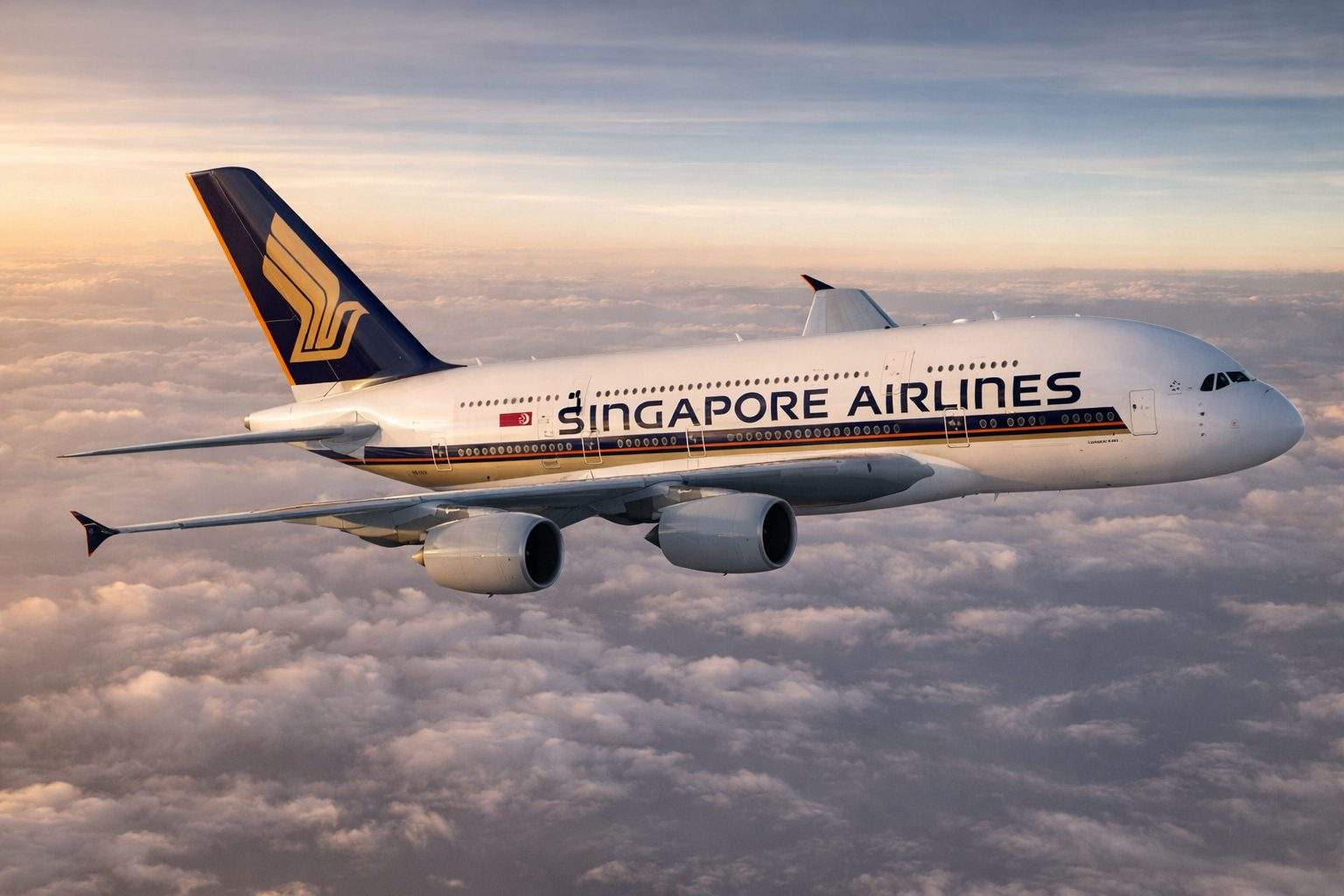
- Singapore Airlines ended Friday at S$6.70, slipping 0.15%.
- Airshow executives pointed to ongoing delays in aircraft and engine parts, saying these snags are driving up both maintenance and inventory expenses.
- Eyes now turn to the airline’s business update on Feb 24, where investors will be scanning for any signals on demand trends and how costs are stacking up.
Singapore Airlines Ltd closed lower on Friday at S$6.70, with investors reacting to renewed signals that persistent aircraft parts shortages are set to extend cost pressures for airlines. Yahoo Finance
It’s maintenance and reliability, not bookings, that’s got airlines feeling the squeeze. At the Singapore Airshow this week, executives talked about supply delays becoming the “new norm.” Scoot’s chief executive Leslie Thng said the carrier has been forced to “secure more spare engines at our own expense” just to keep disruptions at bay. According to IATA, global passenger traffic in 2025 already sits about 9.3% above 2019 and should climb another 4.9% in 2026. Running older planes longer? That tacked on an extra $11 billion in expenses last year alone. Reuters
That matters for Singapore Airlines, with investors watching closely for any margin pressure from maintenance, leasing, or inventory costs. The airline plans to release its third-quarter FY2025/26 business update on Feb 24, after the market closes. SGX Links
Fuel prices flickered again. Brent crude finished Friday at $68.05 per barrel, a 0.74% gain, reversing earlier drops as traders followed developments in U.S.-Iran negotiations, according to a Reuters report. Investing.com South Africa
The broader market in Singapore lost some ground heading into the weekend. The Straits Times Index dropped 0.8% on Friday, breaking its three-day record run and taking the wind out of transport stocks that had been looking for further upside. The Straits Times
No trading over the weekend, so when Monday opens, traders will be watching to see if airlines and aviation suppliers keep sliding as airshow headlines sink in—or if bargain-hunters decide it’s time to start buying.
The key issue for Singapore Airlines is figuring out its appetite for operational insurance. Stockpiling engines and spare parts cushions the schedule, but that cash could end up locked away — and with fleet upgrades lagging, near-term costs might jump.
Another thing to watch: are airlines offsetting steeper maintenance bills with real pricing muscle? If yields dip or rivals get aggressive on major regional routes, carriers may find themselves absorbing those extra costs instead of handing them off to passengers.
Still, there’s a clear risk lurking. Should supply bottlenecks intensify, or if fuel prices jump and hold at elevated levels, costs could escalate fast. A lapse in punctuality might then ripple through, dragging on demand or forcing up compensation expenses.
All eyes now turn to Singapore Airlines’ Feb 24 business update. Investors want specifics: unit revenue trends, capacity decisions, and just how much the group is shelling out to keep its planes in the air.