Singapore, Feb 8, 2026, 15:20 SGT — Closed for the session.
- Singapore Airlines ended Friday at S$6.70, slipping 0.15%.
- Investors are watching supply-chain bottlenecks again, with concerns raised at the Singapore Airshow now echoing in airline cost projections.
- Singapore Airlines is up next, with its third-quarter FY2025/26 business update slated for Feb 24, right after the market closes.
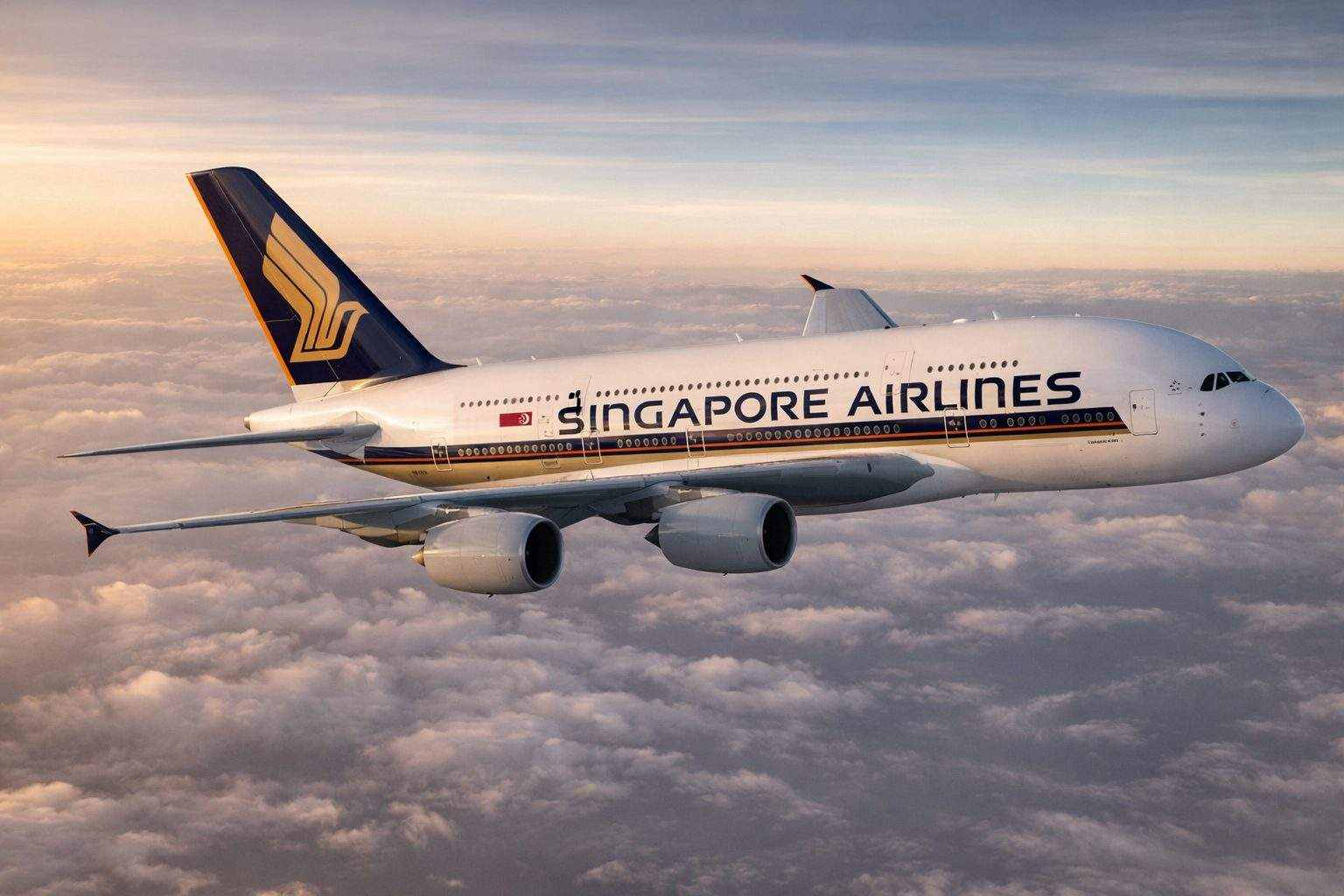
Shares of Singapore Airlines Ltd (SGX: C6L) closed at S$6.70 on Friday, slipping 0.15% before the weekend. Trading volume hit about 8.94 million shares, fluctuating between S$6.62 and S$6.71 during the session. Over the last 52 weeks, the stock’s range has been S$5.90 to S$7.63. Investing.com
It wasn’t a big shift, but the argument hasn’t cooled off. Investors are wrestling with how tough it’s going to be for airlines to ramp up capacity with engine and parts delays still dragging on—and with “extra insurance” through spares and leases now coming at a higher price.
This is coming right as the Singapore Airshow finishes up on Sunday, with markets set to reopen Monday, Feb. 9. There’s still a shot at more headlines from both suppliers and carriers. When it comes to airline stocks, cost chatter can shake things up just as much as any demand story.
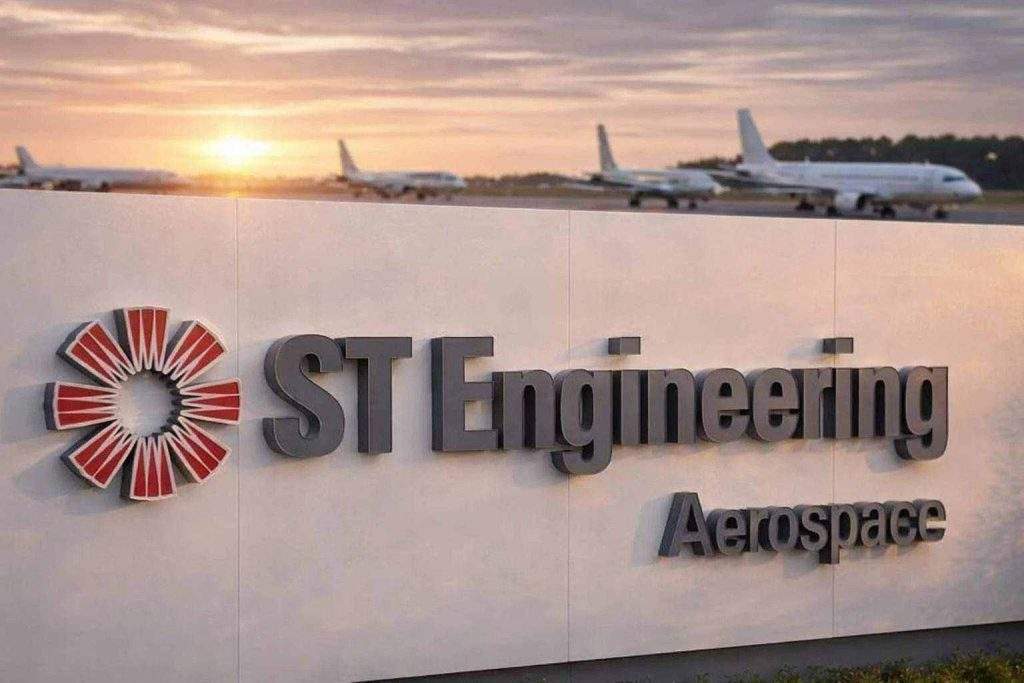
ST Engineering’s Jeffrey Lam warned at the airshow that persistent delivery and maintenance bottlenecks could well become “the new norm” for the industry, citing ongoing delays from both Airbus and Boeing, plus congested engine shops. Scoot CEO Leslie Thng said the airline had to “secure more spare engines at our own expense.” IATA boss Willie Walsh described the ongoing squeeze as “very frustrating” for carriers. According to IATA, global passenger traffic in 2025 ended up about 9.3% higher than 2019, with another 4.9% growth expected this year. The group also pegged extra costs from airlines operating older jets longer at $11 billion in 2025. Reuters
Aircraft uptime is critical for Singapore Airlines, which operates its flagship premium flights alongside the budget Scoot arm, and the impact lands right on margins. Persistent bottlenecks force carriers into leasing agreements, ramped-up maintenance, and stockpiling spare engines just to keep flights running on time.
Changi Exhibition Centre is playing host to major names in aviation and defence, as organisers tout the airshow as a display of the industry’s “latest and the greatest.” The showcase kicked off Feb. 3 and wraps up Feb. 8. AP News
Singapore Airlines runs both its flagship full-service brand and the budget-friendly Scoot, along with a unit handling engineering services. Shares trade in Singapore with the ticker C6L. Reuters
Fuel is in focus, too. Jet fuel tends to move with crude, so even a small uptick in oil prices threatens to chip away at profits from packed flights — measured by the load factor, or percentage of seats sold — and the effect’s especially pronounced on longer international routes.
The risks are hard to ignore. Persistent delivery delays and ongoing parts shortages through the northern summer peak could force airlines to shell out higher leasing and maintenance costs right when they’d rather not. If demand sags, yields — that’s revenue per passenger kilometre — would take a hit.
Singapore Airlines gives investors a liquid angle on the Singapore travel theme, with shares often reacting to shifts in risk appetite—not just airline-specific headlines.
Singapore Airlines will deliver its FY2025/26 third-quarter business update after markets close on Feb. 24, according to a filing on the Singapore Exchange. links.sgx.com