Singapore, Jan 13, 2026, 15:33 SGT — Regular session
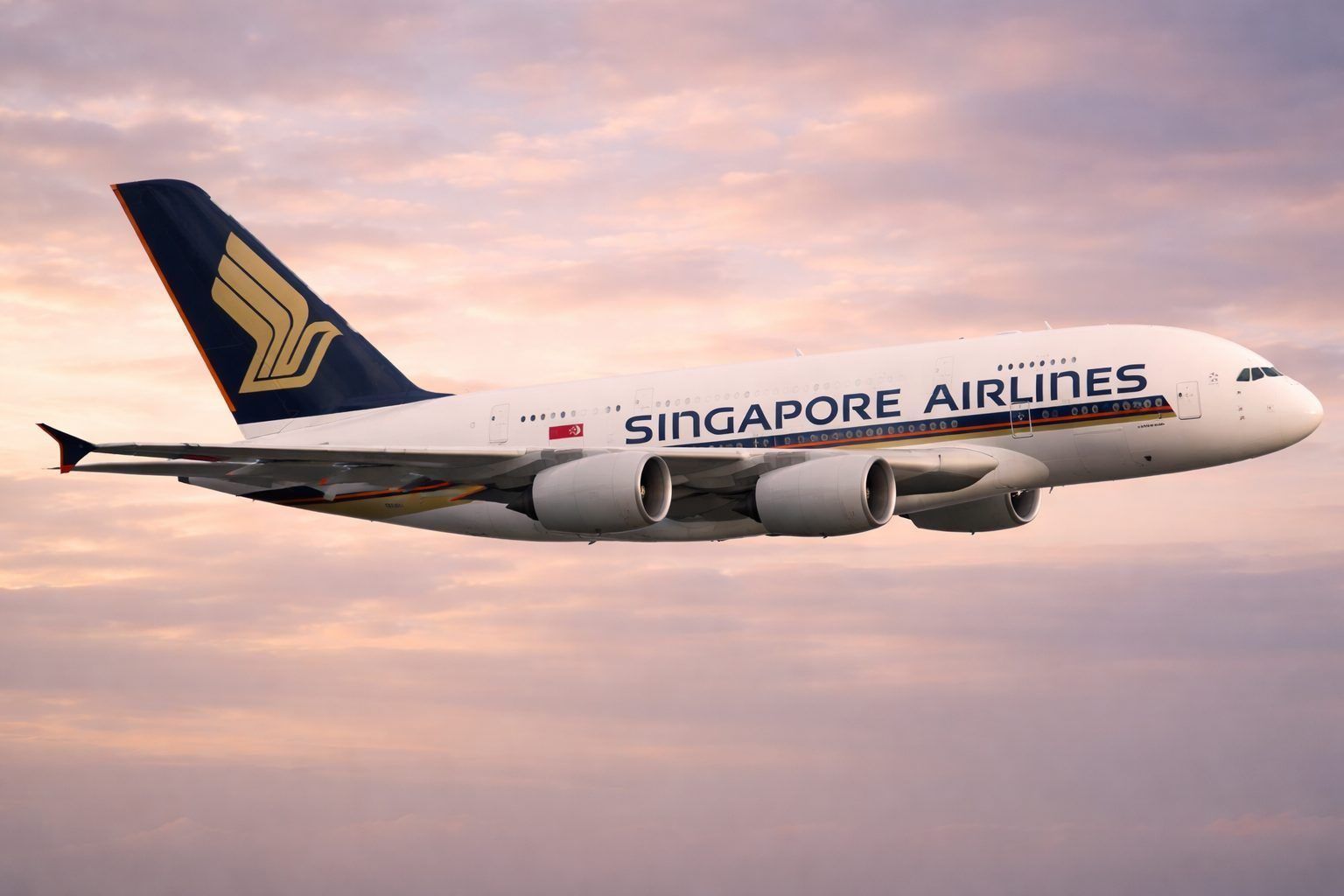
- Singapore Airlines shares slipped 0.5% to S$6.40 in afternoon trading
- Oil prices climb further, spotlighting rising airline fuel expenses
- Investors are focused on SIA’s business update for the third quarter, due February 24
Shares of Singapore Airlines Ltd fell 0.5% to S$6.40 by Tuesday afternoon, pressured by rising oil prices weighing on airline margins. The stock started the day at S$6.45 and hit a low near S$6.38, after briefly touching S$6.45 earlier in the session. Futunn
Fuel remains the key swing factor traders watch closely. Jet fuel typically follows crude prices but with a delay. Airlines often find it tough to immediately pass sharp cost increases onto fares, particularly on highly competitive routes.
Singapore Airlines is set to release its third-quarter business update on Feb. 24, per its investor relations calendar. Singapore Airlines
Brent crude edged up 0.3% to $64.09 a barrel in Asian trading, staying close to a two-month peak. Concerns over supply disruptions in Iran outweighed hopes for increased output from Venezuela. ING’s commodities strategists highlighted growing protests in Iran, and Barclays estimated that the unrest has pushed the geopolitical risk premium by around $3-$4 a barrel. Reuters
Singapore Airlines’ latest results came with a familiar caution: rising costs and pressure on yields. In November, the carrier disclosed a steep drop in first-half profit, hit by losses from its associate Air India, increased expenses, and tougher competition that weighed on passenger yields, according to the company and Reuters. Reuters
In airline jargon, yield refers to the revenue generated per passenger per kilometre flown. It usually drops when airlines boost capacity or lower fares to fill seats, even if planes are running full.
The carrier declared an interim dividend of 5 Singapore cents per share alongside a special interim dividend of 3 cents for H1 FY2025/26. Payment occurred on Dec. 23, following an ex-dividend date on Dec. 5, according to its dividend information page. Singapore Airlines
There’s a clear downside risk. If crude prices continue to rise alongside jet fuel, cost pressures could intensify just as airlines battle tougher competition for passengers. On top of that, a bigger-than-anticipated hit from Air India would only add fuel to the fire.