Singapore, Jan 11, 2026, 15:35 (SGT) — Market closed
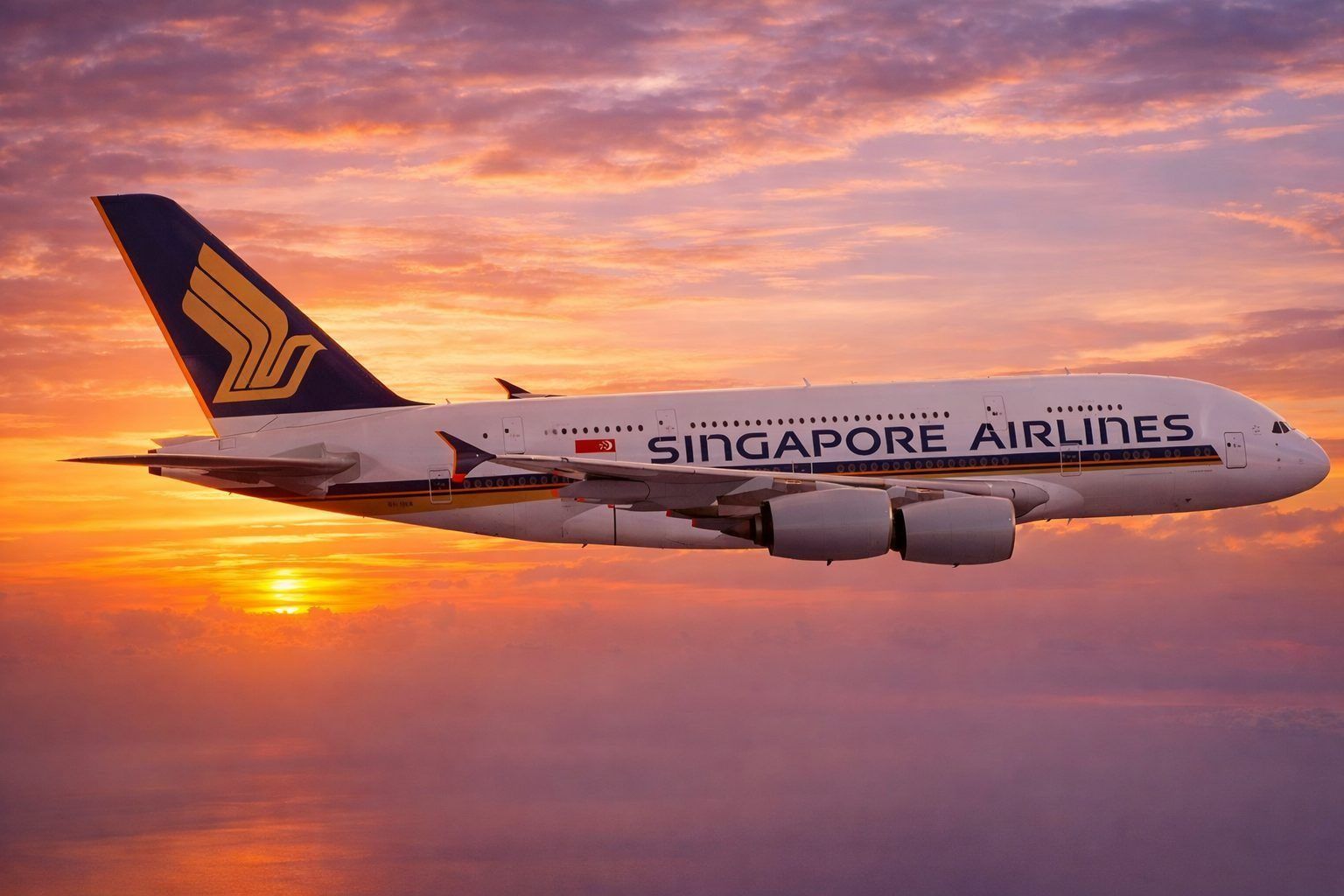
- Singapore Airlines shares ended at S$6.43, slipping 0.5% after moving within a range of S$6.42 to S$6.47
- Airline fuel costs are back under the spotlight as oil prices climb heading into the new week
- Next key event: SIA will release its FY2025/26 third-quarter business update on Feb 24
Shares of Singapore Airlines Ltd edged down 0.5% to close at S$6.43, as investors mulled rising fuel expenses against steady travel demand ahead of the weekend. The stock fluctuated between S$6.42 and S$6.47, with roughly 4.25 million shares exchanging hands. Investing.com UK
Fuel remains the key near-term mover. Brent crude closed 2.18% higher at $63.34 a barrel Friday, while WTI gained 2.35%, finishing at $59.12. Prices drew support from ongoing supply concerns tied to Iran and the Russia-Ukraine conflict. “The uprising in Iran is keeping the market on edge,” said Phil Flynn, senior analyst at Price Futures Group. Reuters
Singapore Airlines is set to disclose its third-quarter business update for FY2025/26 on Feb 24, according to its financial calendar. Traders are watching closely for insights on fares, capacity, and costs, which could sway the stock’s direction. Singapore Airlines
SIA fell behind the broader market on Friday. Singapore’s Straits Times Index closed up 0.1% at 4,744.66, according to The Business Times. The Business Times
Jet fuel trends diverged despite rising crude prices. Reuters noted that the premium for prompt U.S. West Coast jet fuel to Asia jumped close to $40 a barrel, driven by refinery outages tightening U.S. supply. At the same time, Asia’s market was described as “sufficiently supplied,” with weaker Chinese demand dampening prices. Analyst Matias Togni from NextBarrel highlighted the drag from softer jet fuel demand in China on Asian pricing. Reuters
Singapore Airlines’ upcoming update will probably boil down to a few basics: plane occupancy, fare resilience, and rising costs. In airline lingo, load factor measures how packed the flights are, while yield refers to the average fare earned per kilometre flown.
Singapore Airlines’ troubles with Air India remain a sore spot for investors. In November, the carrier reported a first-half net profit of S$239 million, dragged down by losses at its Indian associate and rising costs, while competition continued to pressure yields. The airline holds a 25.1% stake in Air India. Morningstar director Lorraine Tan noted then that “much of the decline is due to a normalisation of passenger yields post COVID.” Reuters
Among the sell-side, 14 analysts tracked by MarketScreener have tagged the stock as “underperform,” setting an average target price near S$6.17—below Friday’s closing figure. MarketScreener
Technically, traders kick off the week eyeing Friday’s low near S$6.42 as short-term support. Sellers held the top of that day’s range, roughly S$6.47, as their first line of defense.
The setup works both ways. Should crude push higher, airlines could see margins take a swift hit, particularly if competition keeps fares in check; on the flip side, a drop in oil prices can quickly lift the stock, even absent any company-specific updates.