
New York, May 6, 2026, 08:06 (EDT)
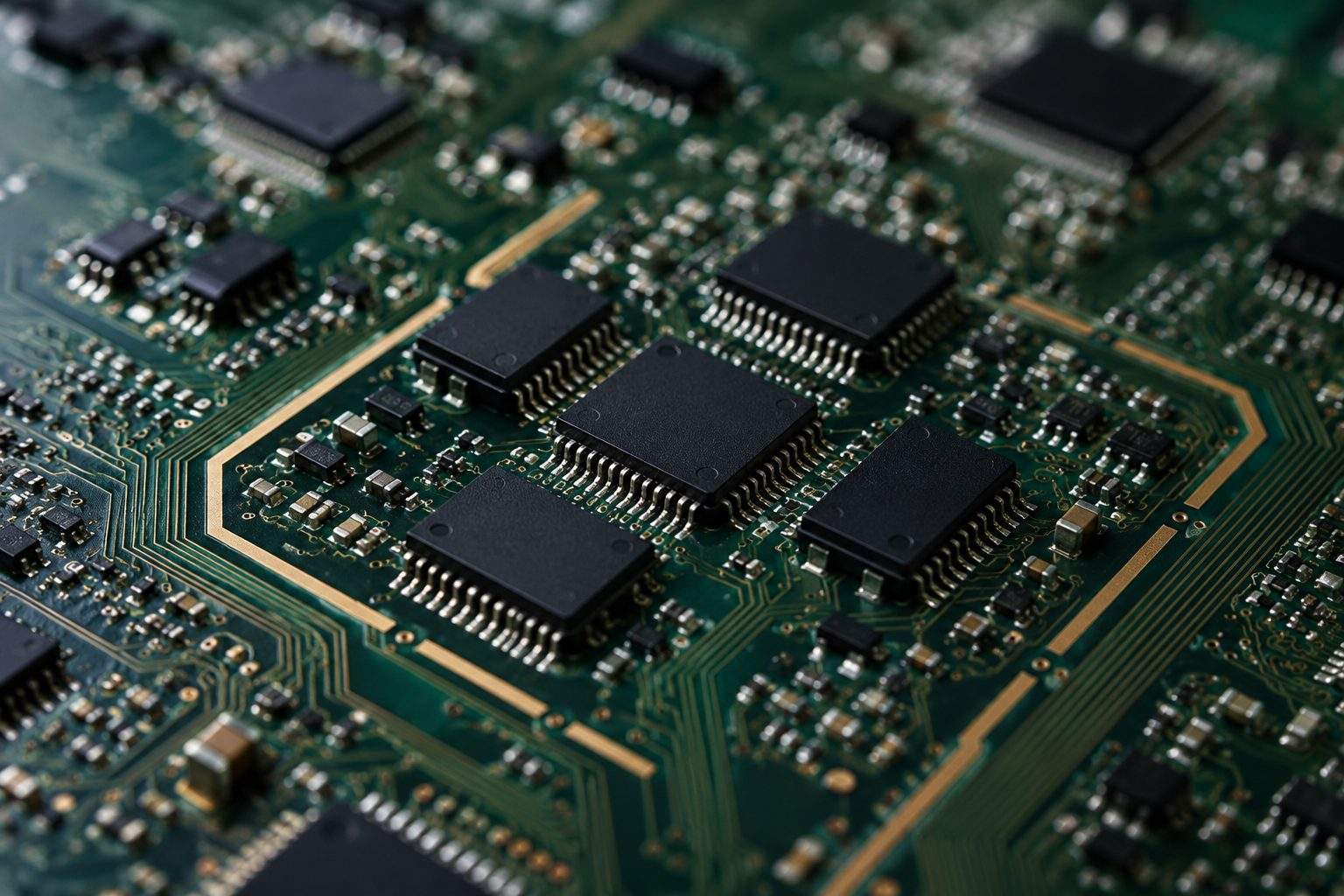
Wednesday morning saw the VanEck Semiconductor ETF jump back into the spotlight as U.S. chipmakers headed higher premarket, buoyed by Advanced Micro Devices’ bullish outlook and a fresh wave of interest in AI-related hardware. SMH traded at $522.69, marking a $16.25 climb from the previous close. Reuters flagged AMD surging almost 18% before the bell, with Intel, Arm, Qualcomm, and Micron also moving up.
This shift is significant as the AI trade widens out. Instead of just chasing Nvidia-type GPUs—the specialized chips powering much of AI’s training—investors are eyeing more. AMD’s latest update flagged stronger appetite for CPUs, the general-purpose chips at the heart of everyday computing. As AI focus tilts toward “inference,” or deploying trained models in practical scenarios, fresh demand for these processors is emerging. Reuters
AMD posted a 38% jump in first-quarter revenue, reaching $10.3 billion late Tuesday. Data-center sales surged 57% to $5.8 billion, fueled by EPYC processor demand and Instinct GPU shipments. For the second quarter, the chipmaker put revenue guidance at $11.2 billion, give or take $300 million. CEO Lisa Su pointed to “accelerating demand for AI infrastructure,” saying data centers have now become the company’s top growth engine. Advanced Micro Devices, Inc.
SMH surged into May after a strong run. April saw the ETF jump 32.2% at net asset value, per VanEck, bringing its year-to-date return through April 30 to 40.69%. As of May 5, Nvidia accounted for 16.22% of the portfolio, with Taiwan Semiconductor Manufacturing at 10.12%, Broadcom at 7.88%, Intel at 7.79%, AMD at 5.99%, and Micron at 5.87%.
The fund ends up as a fast-track bet on the AI chip supply chain—designers, foundries, memory producers, gear suppliers, all wrapped in a single trade. Most of the heavy lifting still falls to the biggest names.
Taiwan Semiconductor, the No. 2 name in SMH, handed bulls fresh justification to stick around. First-quarter revenue came in at $35.90 billion, a jump of 40.6% year over year. Net income and diluted EPS both popped 58.3%. CFO Wendell Huang cited “continued strong demand” for top-tier chipmaking tech. TSMC
Analysts took AMD’s results as an indication that chip demand could be spreading beyond just one segment. “A broader compute opportunity”—that’s how Matt Britzman, senior equity analyst at Hargreaves Lansdown, put it to Reuters, pointing to the way AI workloads are ramping up. Reuters
The ETF competition story isn’t straightforward. Tony Dong, ETF Central’s lead ETF analyst, pointed out in 24/7 Wall St. that SMH’s market-cap-weighted setup has helped post strong results but, over time, shifted the fund from a general industry play to a more concentrated bet on a handful of big names. Dong mentioned the SPDR S&P Semiconductor ETF (XSD) as an alternative—it gives equal weight to 44 semiconductor stocks and matches SMH’s 0.35% expense ratio, though its 10-year annualized returns have lagged.
The rebound faces real pressure if demand falters, memory prices climb, or a top holding falls short. According to Reuters, AMD is bracing for a drop in PC shipments later this year, blaming pricier memory and components. The company also anticipates its gaming revenue will sink over 20% in the second half compared to the first.
Valuation’s also in focus here. According to Reuters, AMD shares were priced at a steep 39.66 times forward earnings—almost twice Nvidia’s 21-times multiple—even as Nvidia remains ahead in AI market share.
So far, AMD’s forecast has been enough for the market to see ongoing AI infrastructure spending as a continued tailwind for chipmakers. SMH holders get a straightforward shot at the rebound—though the ETF isn’t exactly a safe bet.
Related articles: NASDAQ:QCOM

![Australia Stock Market Today 23/08/2026 [UPDATE: 08:38 AEST] [Healthcare Surge: Weekly Recap and Week Ahead]](https://ts2.tech/wp-content/uploads/2026/08/AU-market-dashboard-2026-08-23-0843-480x384.jpg "Australia Stock Market Today 23/08/2026 [UPDATE: 08:38 AEST] [Healthcare Surge: Weekly Recap and Week Ahead]")