Hong Kong, Jan 20, 2026, 08:17 HKT — Premarket
- SMIC drew attention again following a steep slide by Monday’s end.
- Tariff news and a risk-off vibe have rattled chip stocks once more.
- All eyes shift to the Hong Kong open as traders await the next wave of trade signals.
Shares of Semiconductor Manufacturing International Corp (SMIC) closed Monday down 2.78% at HK$77.00. The stock saw volatile trading between HK$77.00 and HK$80.10, setting the stage for close attention when markets open Tuesday. Investing.com
Timing is key. After U.S. President Donald Trump threatened new tariffs on imports from several European countries, global markets turned cautious. Investors flocked to safe-haven currencies, pushing gold and silver to record highs. “There is obviously a response (in financial markets) to the new tariff threats,” said George Lagarias, chief economist at Forvis Mazars. Reuters
Hong Kong’s Hang Seng TECH Index dropped 1.24% Monday, closing at 5,749.98. Large-cap tech and chip stocks could face pressure if the risk-off mood persists into the open. Investing.com
The sour mood spilled over to offshore tech proxies. Alphabet’s shares listed in Frankfurt dropped 2.4% during European trading, with Nvidia and Microsoft sliding 2.2%. Nasdaq 100 futures also dipped 1.25%, Reuters reported. Reuters
Semiconductor news took a twist as Micron announced a letter of intent to acquire Powerchip’s P5 fab site in Taiwan for $1.8 billion in cash. The company expects this deal to expand cleanroom capacity and boost DRAM wafer production starting in the second half of 2027. TrendForce suggested this could lead to an upward revision of global DRAM supply forecasts for 2027. DRAM, a widely used memory chip, differs from HBM—high bandwidth memory—designed for faster AI applications. Reuters
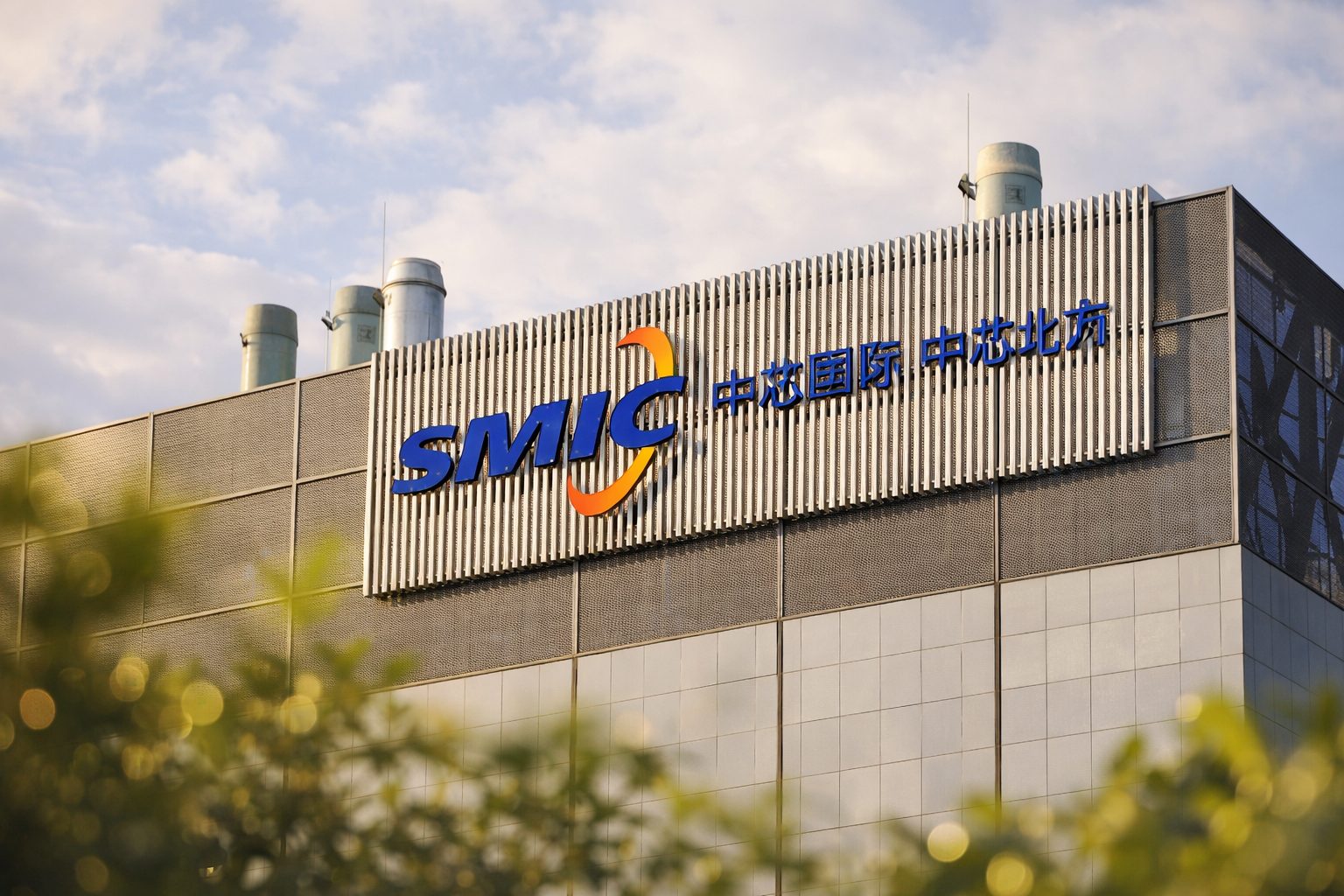
SMIC stands as China’s largest foundry, specializing in contract manufacturing of chips designed by other companies. Its operations cover wafer production, testing, and associated services, per a Reuters company profile. Reuters
Policy remains a major overhang for the company. China now mandates that chipmakers use at least 50% domestically produced equipment when expanding capacity, according to three sources speaking to Reuters. This measure targets cutting dependence on foreign chipmaking tools amid tightening U.S. export restrictions. Reuters
This setup could shift quickly. If tariff threats turn out to be more noise than action, defensive bets might unravel and tech could find support. On the other hand, if these threats solidify into actual policy, concerns over demand and supply-chain disruptions could weigh on valuations once more, especially for chipmakers vulnerable to any restrictions on advanced tools.
Traders eyeing SMIC will focus on whether the Hang Seng tech sector shows strength at the open, and if U.S. markets, reopening after Monday’s holiday, back up the risk-off mood or soften it. Keep an eye on trade policy news and any reaction ahead of the Feb. 1 tariff deadline set by Trump.