
NEW YORK, May 1, 2026, 18:03 EDT
The S&P 500 and Nasdaq both finished at new highs on Friday, pushing April’s recovery further as strong results from Apple and others outshone losses in energy names. S&P 500 notched a 0.29% gain to 7,230.12, while the Nasdaq jumped 0.89% to 25,114.44. The Dow lagged, dipping 0.31% to 49,499.27. LSEG analysts are looking for S&P 500 earnings to climb 27.8% year-over-year for the first quarter. Carson Group’s Ryan Detrick called the day’s action the “cherry on top” of what he described as a better-than-expected earnings week. Reuters
Timing is key here. Stocks keep pressing to new highs despite oil still trading above $100 a barrel, and bond yields hovering at levels that could push up borrowing costs for everything from mortgages to car loans. CNN noted the S&P 500 climbed over 10% in April—the strongest showing since November 2020—while the Nasdaq jumped 15% as investors brushed off the Iran war, focusing instead on strong earnings and the AI boom.
Investors aren’t just snapping up stocks—risk-taking is popping up elsewhere, too. Bloomberg noted high-yield credit spreads have tightened toward multi-year lows, with retail traders piling into prediction markets and zero-day options, those ultra-short-term contracts that can intensify intraday volatility. The rally hasn’t let up, despite the Federal Reserve’s signals that rates could remain elevated longer than some expect.
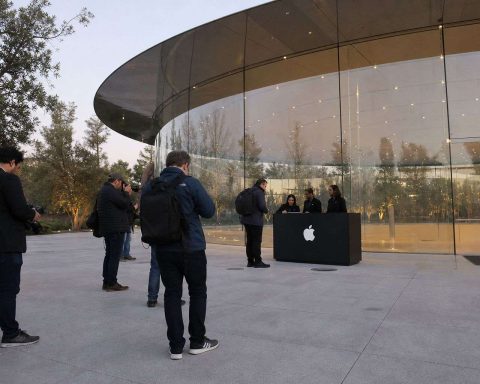
Apple carried most of the load, jumping 3.3% after its profit and revenue topped forecasts—a move that put the iPhone giant at the front of the S&P 500’s climb. Estée Lauder, Sandisk, and Colgate-Palmolive joined in after posting results ahead of expectations, broadening the market’s earnings support beyond the usual tech titans.
Earlier, the sector saw a split. Alphabet surged 10% on a blowout cloud quarter. Meta Platforms slipped 8.7%. Microsoft shed 3.9%, both pressured by worries over AI spending. “The momentum is on the bullish side,” said Paul Nolte, senior wealth adviser and market strategist at Murphy & Sylvest, pointing out that economic data soothed investors. Reuters
Oil prices cooled off a bit on Friday, but traders weren’t exactly reassured. West Texas Intermediate crude slipped roughly 3%, landing close to $102 per barrel. Brent finished at $108.17. The 10-year Treasury yield hovered above 4.38%, a level that continues to weigh on consumer borrowing costs.
The core risk lingers. President Donald Trump declared hostilities with Iran “terminated,” but according to Reuters, Tehran offered a new negotiation plan—Trump turned it down. Congressional Democrats say the U.S. naval blockade is proof the conflict hasn’t ended. War’s impact is clear in energy shipments and higher consumer prices, Reuters added. Reuters
That’s where the market feels exposed. Should the Strait of Hormuz remain shut or oil prices climb again, inflation may not budge, squeezing the Fed’s room to lower rates. Investors are wrestling with how long the supply squeeze could drag on and figuring out which companies stand to lose most, said Tom Hainlin, national investment strategist at U.S. Bank Wealth Management.
There’s also a mechanical force behind the rally. Bloomberg notes that hedge funds, credit investors, and short-dated options traders piled on after the April surge, all betting in sync. That collective move can send records tumbling quickly—but it cuts both ways. If oil, rates, or earnings guidance shift, unwinding could get ugly in a hurry.
Earnings are in the driver’s seat for now. The S&P 500 and Nasdaq both finished the week up, with Apple handing bulls a straightforward boost. Early May saw investors leaning toward profit growth rather than focusing on war risk. What comes next: does that preference stick if rising energy prices start to press into inflation, margins, and consumer wallets?
Related articles: NASDAQ:META