
Washington, April 30, 2026, 13:06 EDT
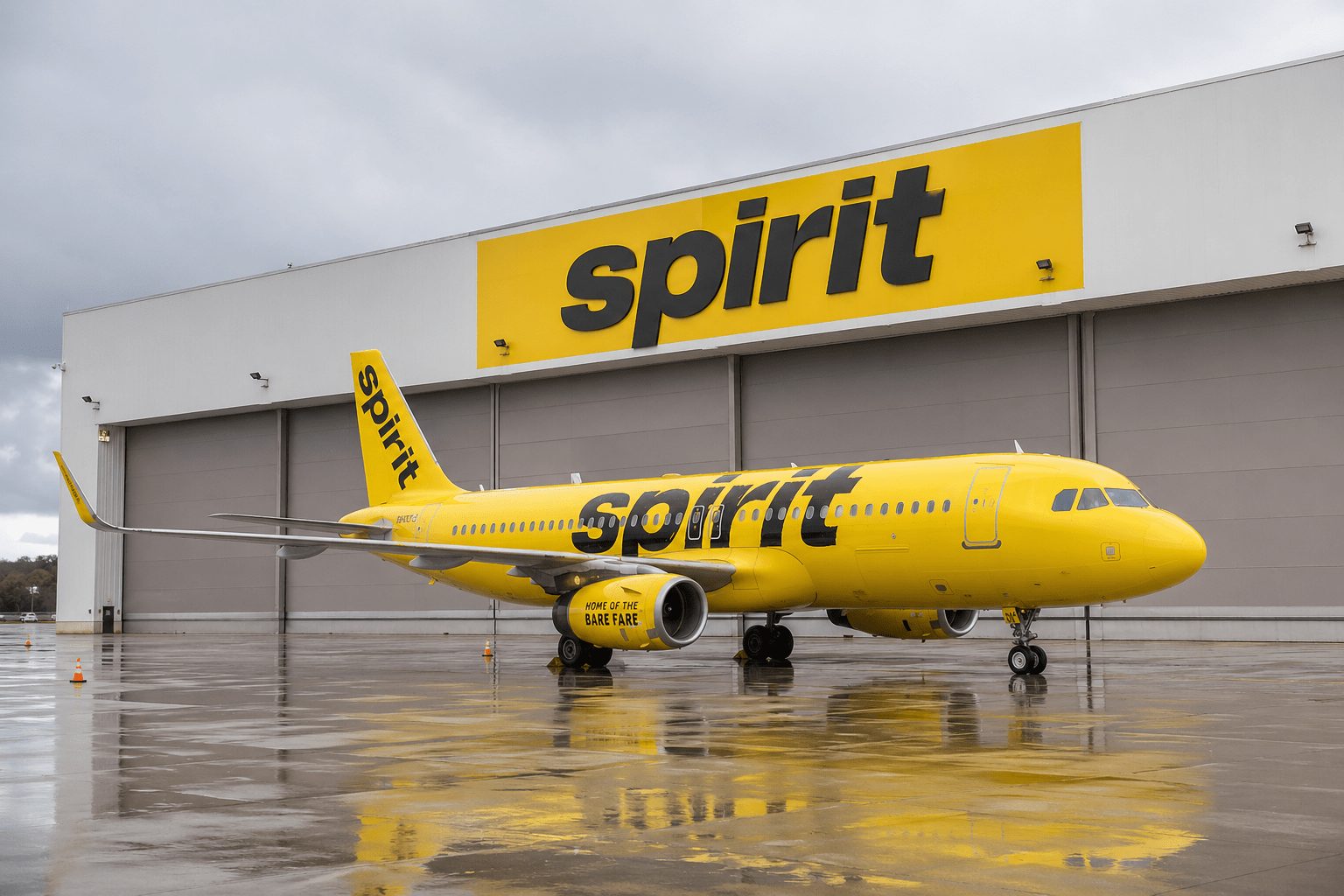
Spirit Airlines postponed its bankruptcy hearing set for Thursday, citing ongoing negotiations around a possible U.S. government rescue and no financing motion filed so far. According to the filing, lenders haven’t issued an enforcement notice—the move that could trigger a rapid march to liquidation.
The holdup is critical for Spirit, which is nearing its limit. Last week, the airline’s attorney said the Florida budget carrier urgently needs new funding or access to $240 million it already has. Without that, liquidation could cost over 17,000 jobs and trigger claims totaling billions.
Flights kept running as usual for passengers, with Spirit confirming that operations continued without disruption. Travelers could still buy tickets and scheduled flights were going ahead, according to 6abc on Thursday.
The plan on the table would mark a rare level of intervention for a U.S. carrier. According to Reuters, which spoke to sources with knowledge of the situation, the proposed support may reach $500 million in government-backed loans and warrants—essentially, options to purchase shares down the line. That setup could leave Washington holding as much as 90% of Spirit’s equity once the airline comes out of bankruptcy.
The numbers among creditors remain up in the air. Bloomberg News, via Reuters, said Ken Griffin’s Citadel and other lenders had raised objections over terms they argue might diminish the worth of their claims. That group put forward a counteroffer, but as of now, there’s been no response.
President Donald Trump pitched the potential move as a play on distressed assets, describing Spirit as having “some good aircraft and good assets.” He argued the government could “sell it for a profit” after oil prices come down. Trump also highlighted job preservation and keeping an airline afloat as key motives. AP News
The administration has considered invoking the Defense Production Act, a wartime measure allowing Washington to steer private firms or extend loans for national defense purposes. White House spokesperson Kush Desai noted officials are reviewing ways to keep Spirit running for both its workforce and travelers. He cautioned that talk about financing details remains speculative.
Still, without sign-off from creditors, there’s no guarantee on a bailout. Holdout lenders could push Spirit toward liquidation. If Washington steps in, expect a political clash over using taxpayer funds to rescue a single struggling airline, rather than letting bankruptcy divvy up the assets.
Discussion over aid isn’t limited to Spirit anymore. Several other budget airlines are pushing for expanded support, with one $2.5 billion plan linked to fuel expenses now in the mix. Transportation Secretary Sean Duffy, however, has raised concerns, asking if additional funding would just be “good money after bad.” The Washington Post
JPMorgan’s Jamie Baker called a government takeover a “low-probability scenario,” arguing Spirit’s bankruptcies weren’t about high oil prices. He also flagged that any cash support for Spirit could spark JetBlue and Frontier to line up for help next. United Airlines CEO Scott Kirby went further, calling Spirit’s model “fundamentally flawed” and pointing out that “well-run airlines are still solidly profitable.” Business Insider
Spirit had already laid out a blueprint for a leaner operation. Back in March, management projected a fleet of just 76 to 80 aircraft by the third quarter of 2026, shifting its focus to key spots like Fort Lauderdale, Orlando, Detroit, and New York. The plan also targets a sharp reduction in debt and lease obligations—down from $7.4 billion before bankruptcy to roughly $2 billion after. “Material steps forward,” Chief Executive Dave Davis said of the plan. Spirit Aviation Holdings
Fuel costs smashed that outlook. Earlier this month, Reuters said Spirit’s restructuring plan had pegged fuel at roughly $2.24 per gallon for 2026, dropping to $2.14 in 2027. But by mid-April, jet fuel was already at about $4.24. J.P. Morgan figures those elevated costs could drag Spirit’s 2026 operating margin down to negative 20%, tacking on around $360 million in expenses.
If Spirit shuts down, fares on the routes it once kept cheap could be the first to climb. Business Insider, using Cirium fare data, tracked a roughly $19 jump—about 14%—across nearly 90 routes Spirit left between 2024 and 2025. “When an airline leaves, seat supply drops, fares go up,” airline consultant Mike Arnot told the outlet. Business Insider
Related articles: Airlines