
DANIA BEACH, Florida, May 1, 2026, 12:02 (EDT)
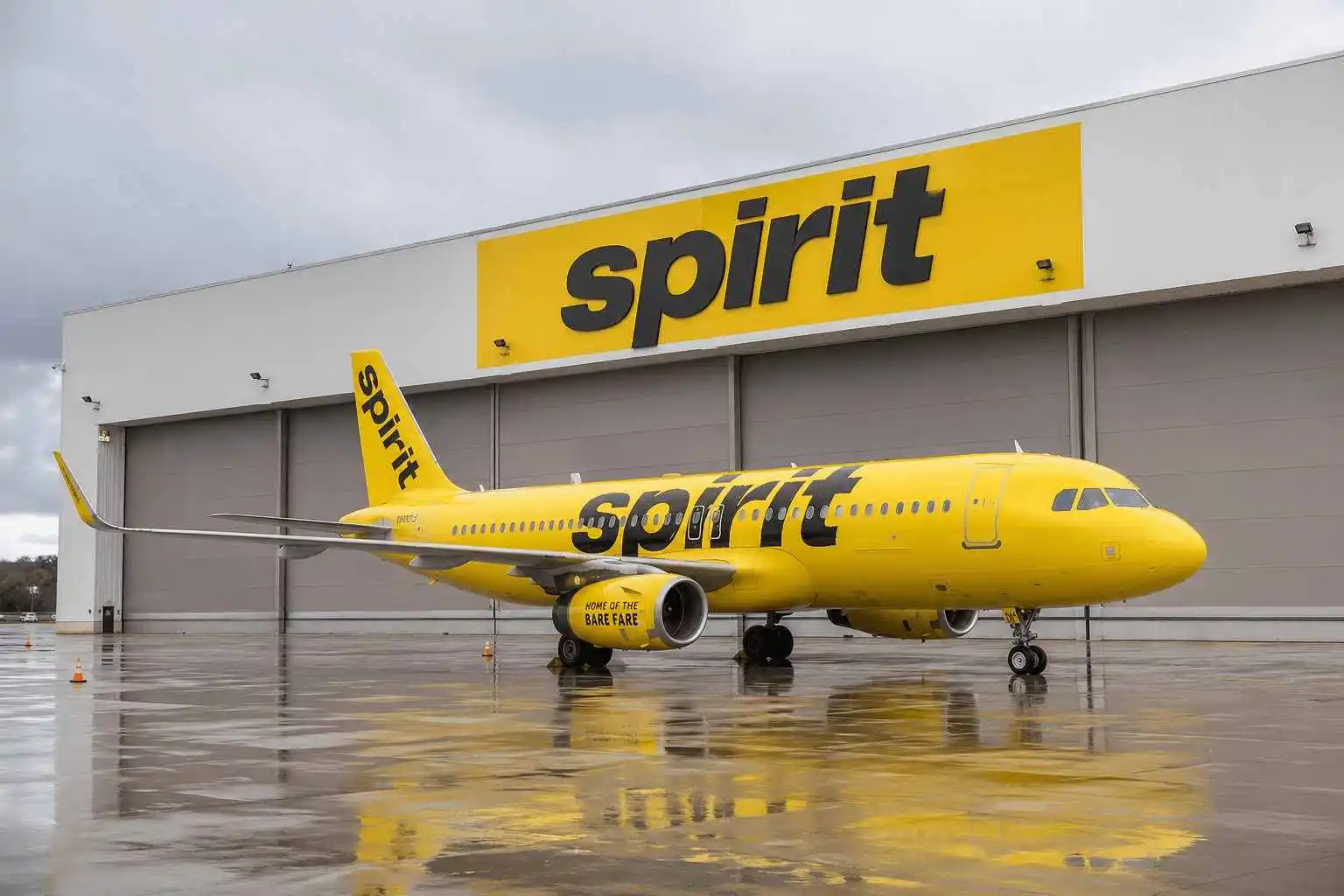
Spirit Airlines is moving toward shutting down, The Wall Street Journal said Friday, after the bankrupt low-cost carrier couldn’t secure backing from bondholders or the U.S. government for a lifeline. Both Spirit and the White House declined to comment to Reuters.
No sugarcoating the schedule here. The April 30 bankruptcy court session was scrapped after negotiations for a $500 million U.S. lifeline hit a wall, putting the Florida-based airline in a bind as it continues to burn cash and faces dwindling options to stay airborne.
It’s not just shareholders on the line. According to Spirit lawyer Marshall Huebner, a shutdown could erase over 17,000 jobs and trigger billions in claims. The airline still needs fresh capital or access to $240 million in its own cash.
Spirit Aviation Holdings Inc., the parent company of Spirit, is preparing to wind down operations, Bloomberg reported, as its cash position continues to deteriorate and hopes for a rescue dwindle. Rising fuel prices have only turned up the heat on the airline, hitting smaller and financially stretched carriers like Spirit harder than the major U.S. networks.
The aid package was set up as debtor-in-possession financing—a bankruptcy loan designed to let a company keep running through restructuring. According to a creditor attorney, the government proposal involved $500 million in financing and warrants covering 90% of Spirit’s equity. Those warrants would grant holders a future stake in the airline.
Huebner pitched federal financing as the boost Spirit needed to sharpen its competitive edge, yet he didn’t sugarcoat the cash crunch—Spirit’s reserves, he said, were close to running dry. That risk just got harder to ignore. The latest collapse in talks underlines his point, shifting it from legal posturing to a blunt fact of life.
Back in March, Spirit laid out a reorganization plan aimed at cutting its fleet down to between 76 and 80 jets by the third quarter of 2026, zeroing in on routes in Fort Lauderdale, Orlando, Detroit, and the greater New York City region. Chief Executive Dave Davis at the time said the strategy was designed to strengthen Spirit’s ability to provide value for consumers, though he acknowledged there’s still plenty of work ahead with stakeholders.
Years of pressure led to the carrier’s unraveling. JetBlue Airways and Spirit scrapped their $3.8 billion merger in March 2024, after a federal judge blocked it on antitrust grounds. Frontier Group came knocking again for Spirit but couldn’t clinch a deal. What matters: both JetBlue and Frontier had previously seen potential in Spirit’s low-cost route map—before Spirit’s numbers took a turn.
Washington and the airline industry remain divided over the bailout. Transportation Secretary Sean Duffy told reporters Tuesday that any larger support for budget carriers will have to go through Congress, saying, “You can’t snap your fingers.” Earlier, Duffy had raised doubts about a Spirit rescue, asking if that would just be “good money after bad.” Reuters
The central question: Could a last-ditch agreement emerge before Spirit’s formal shutdown process takes off? In a Wednesday court filing, Spirit said lenders hadn’t yet filed the notice that would start a seven-day countdown to asset liquidation. But by Friday, reports indicated those negotiations had mostly collapsed, leaving little room for maneuver.
Investors reacted quickly. Spirit shares took a beating in over-the-counter action after a WSJ report, dropping under 60 cents, the WSJ market report showed.
Passengers are still waiting to see if Spirit will lay out a timeline for winding down flights, ticket transfers, or processing refunds. By Friday, the company hadn’t specified when it might shut down operations, nor had it given any official plan for what’s next.
Related articles: Airlines