
NEW YORK, May 11, 2026, 11:06 EDT
U.S. stocks pushed up on Monday, with both the S&P 500 and Nasdaq reaching new highs as gains in chipmakers and energy names persisted. Crude prices jumped after U.S.-Iran talks stalled, fanning fresh inflation concerns, but the rally held. “The worry list is long, but the economy keeps proving the bears wrong,” said Robert Edwards, chief investment officer at Edwards Asset Management, in comments to Reuters. Reuters
This matters now: markets are clinging to record highs, caught between robust tech-fueled earnings and oil’s surge, which threatens to feed through to consumers. John Stoltzfus at Oppenheimer flagged earnings, upcoming economic data, and U.S.-Iran talks as the key near-term drivers.
According to LSEG data on Reuters, the S&P 500 advanced 0.23% to 7,416.00. The Nasdaq Composite edged 0.12% higher, landing at 26,277.35. The Dow Jones Industrial Average picked up 0.17% to 49,694.92. Brent crude climbed 2.63% to $103.95. The U.S. 10-year Treasury yield came in at 4.386%, a level where stocks tend to face competition from fixed income.
Tuesday brings the next big hurdle: the consumer price index, or CPI, landing on investors’ desks—a snapshot of what households shell out for goods and services. “Key Inflation data will be released this week and the stakes couldn’t be higher,” wrote Jay Woods, chief market strategist at Freedom Capital Markets, in a note cited by Investopedia. Investopedia
Earnings are still holding up the market, for now. HSBC just bumped its S&P 500 year-end call to 7,650 from 7,500, pointing to stronger-than-expected profit growth. According to the bank, first-quarter earnings for the S&P 500 could jump nearly 29% from last year, thanks largely to megacap tech stocks tied to AI. “While earnings remain supportive, sentiment is on shakier ground,” HSBC strategists wrote. Reuters
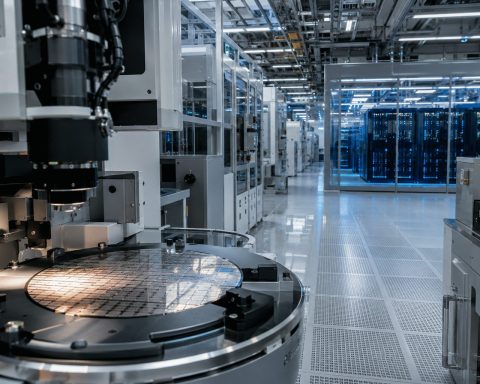
Semiconductor stocks propped up the market once more. Intel climbed, extending Friday’s gains that followed word of a potential chip deal with Apple. Qualcomm notched a fresh record high. Nvidia, Cisco, and Applied Materials also drew attention, as investors tracked whether AI-driven demand is still translating into higher revenues.
Oil muddied the picture. Airline stocks—Southwest, Delta, and United—edged lower as rising fuel costs pressured profit margins, but energy names tracked crude’s advance. Brent was trading north of $103, according to Investing.com, and the S&P 500 VIX, Wall Street’s volatility index, moved higher as well.
Pockets of the rally remain thin. Jamie McGeever at Reuters pointed out that just ten U.S. stocks now make up 33% of total market value. RBC analysts flagged that the market-cap-weighted S&P 500 has beaten its equal-weight sibling by over 30%—clear evidence that gains are clustered in the largest names.
This level of concentration isn’t just a number. If top tech names post weak AI earnings or guidance, the fallout could ripple fast through index funds and ETFs packed with those same giants. Put bluntly: if the top stocks slip, there’s not much cushion left in the rally.
Investors are sticking with the tape for the time being. “We want to be in there for the equity bull market,” Grace Peters at JPMorgan Private Bank told Bloomberg, though she emphasized the need for portfolios to keep some resilience. Bloomberg
The catch? If CPI surprises on the upside, oil rallies further, or U.S.-Iran negotiations stall, investors may need to reassess how much room the Federal Reserve has to hold off on rate hikes. Oppenheimer flagged high oil and supply-chain snags as real inflation threats in the short run, while also noting the Middle East conflict could weigh on markets.
![US Stock Market Today 08/28/2026 [UPDATE: 02:04 EDT] [Marvell Stalls Near Overnight Low as Price Discovery Fades]](https://ts2.tech/wp-content/uploads/2026/08/US-market-dashboard-2026-08-28-0159-480x384.jpg "US Stock Market Today 08/28/2026 [UPDATE: 02:04 EDT] [Marvell Stalls Near Overnight Low as Price Discovery Fades]")