
New York, June 2, 2026, 10:09 EDT
- Super Micro shares rose about 5% in early Nasdaq trade, extending a rally tied to AI-server demand.
- HPE’s blowout quarter gave investors a fresh read-through for server suppliers, while Supermicro announced new rack-scale systems with Arm and AMD.
- Risks remain around memory costs, margins and export-control scrutiny.
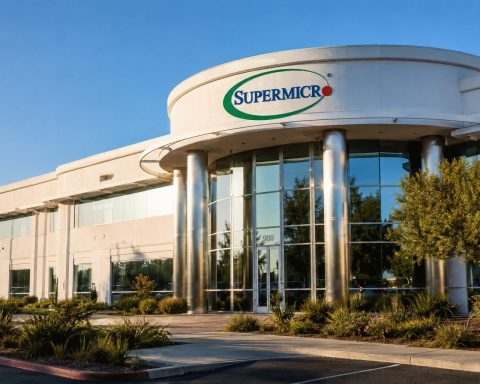
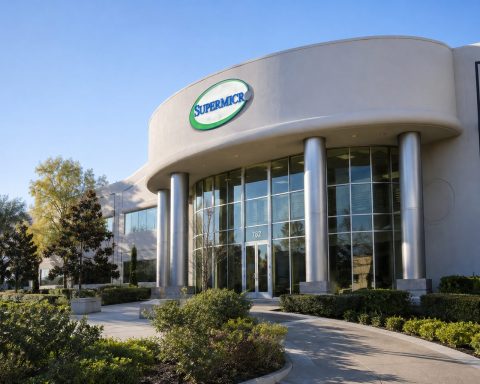
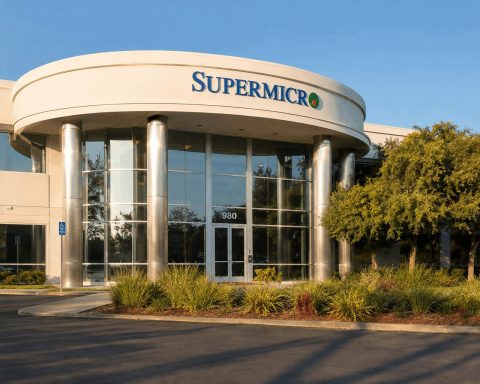
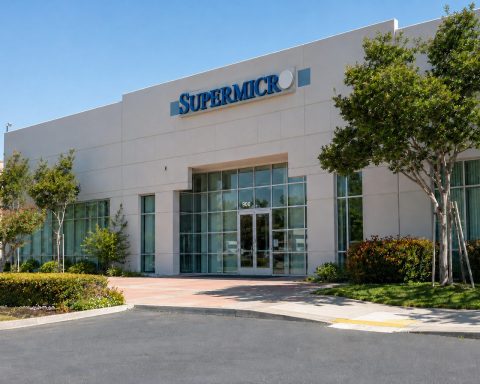
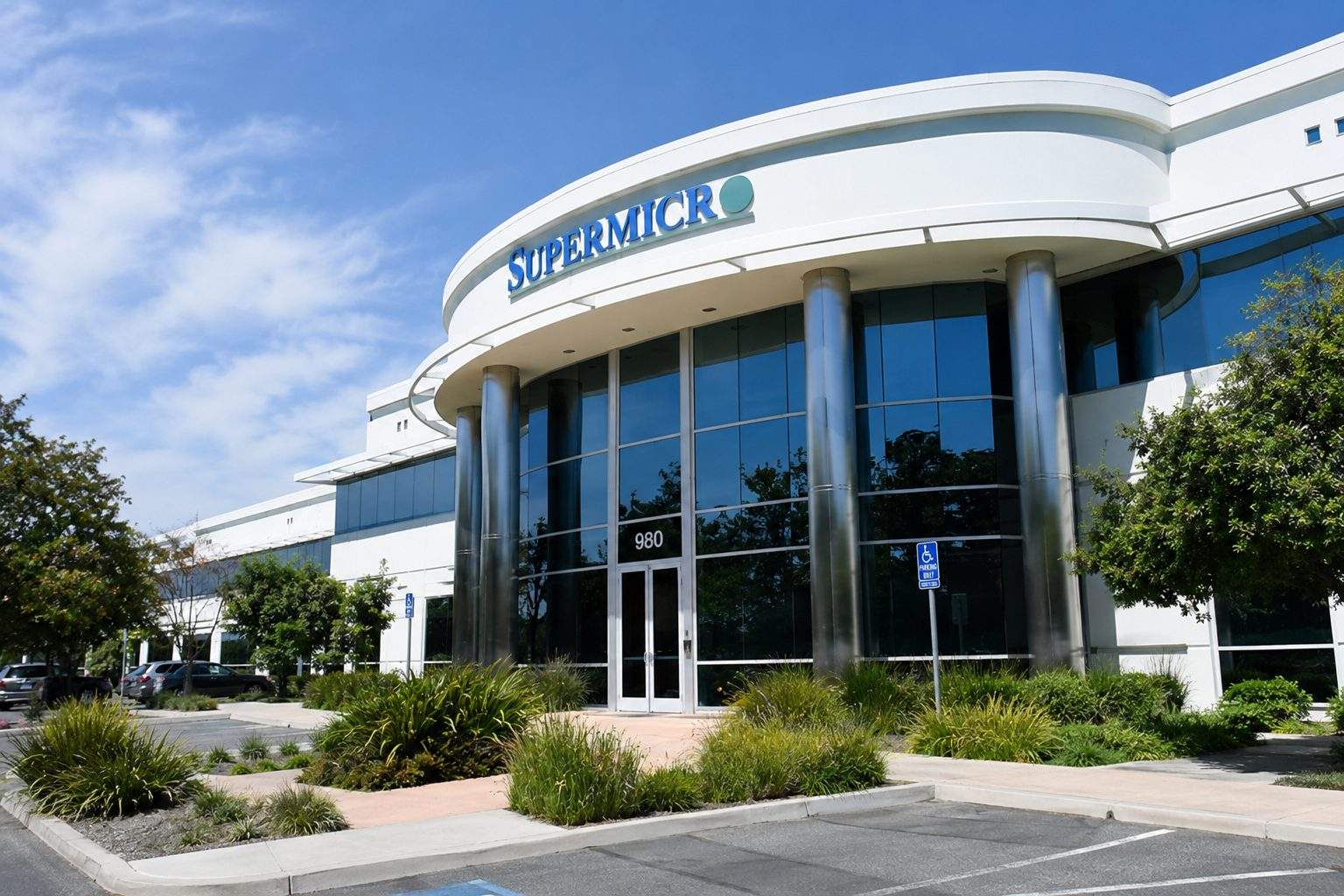
Super Micro Computer shares rose about 5% in early trading on Tuesday, outpacing a softer Nasdaq, as investors kept bidding up AI server makers after Hewlett Packard Enterprise’s strong results and Supermicro’s latest product launches for large data centers.
The San Jose, California-based company’s stock traded at $49.14, up $2.26 from Monday’s close, after touching an intraday high of $51.26. Volume had reached 14.8 million shares by 9:53 a.m. New York time, according to market data.
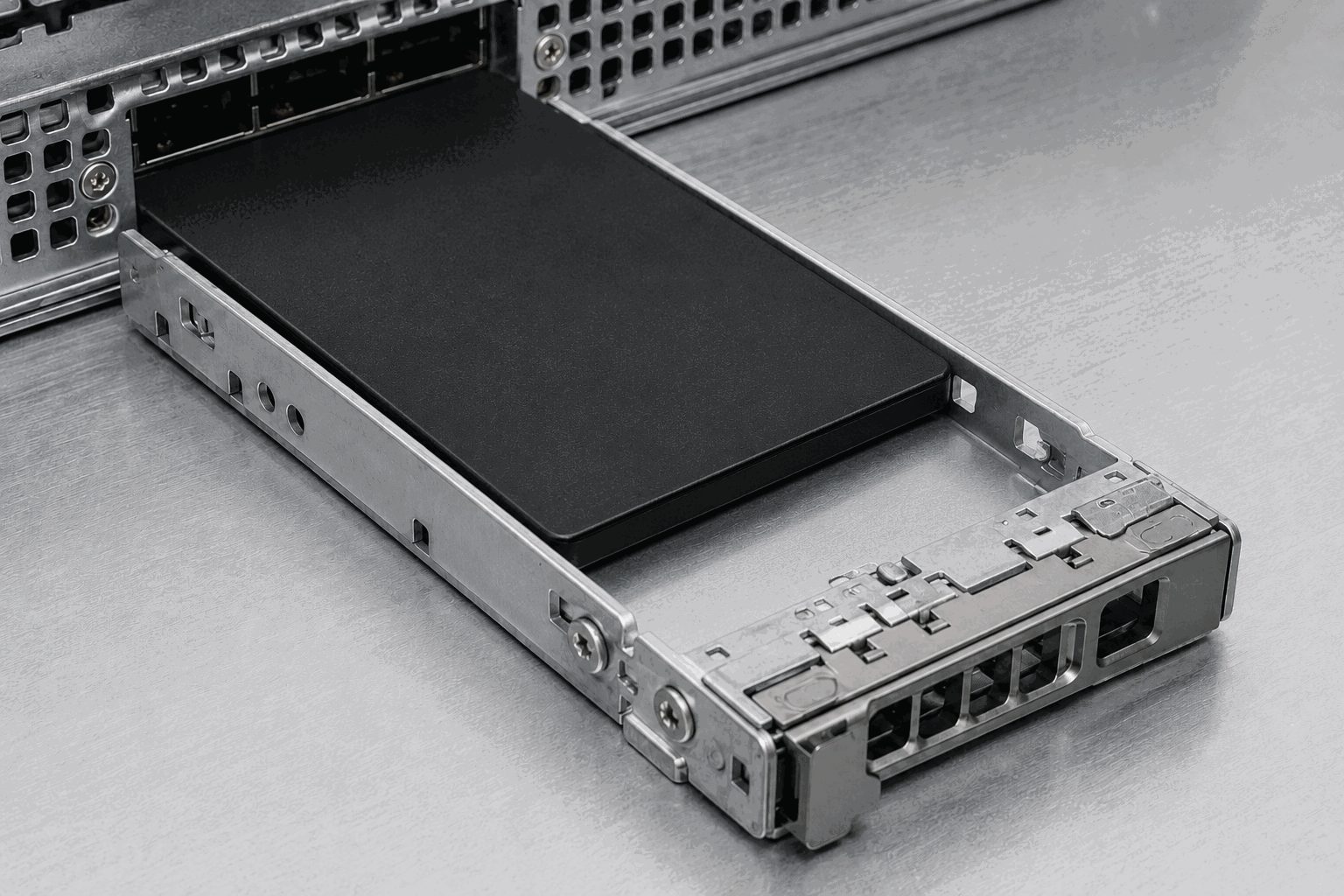
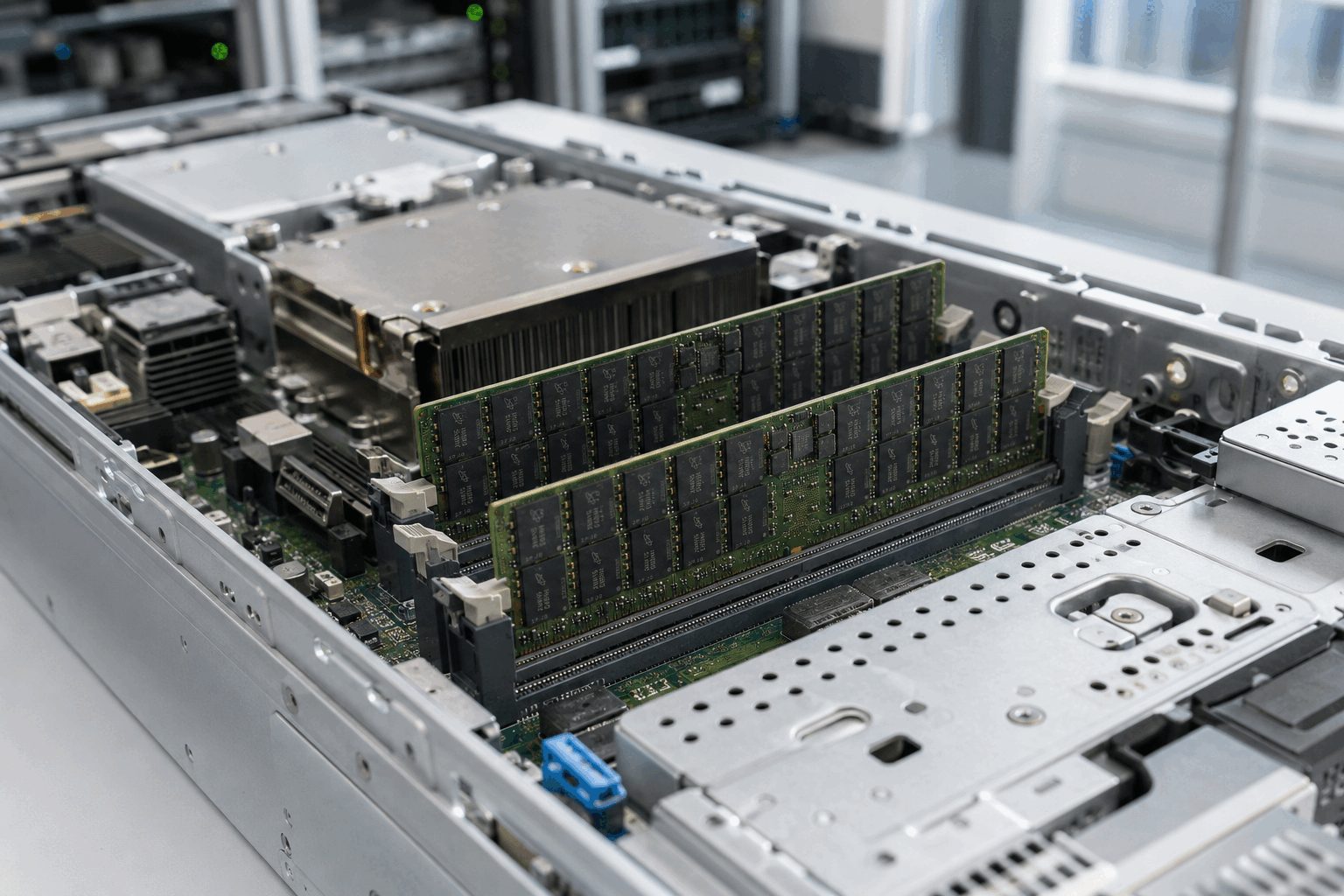
The move matters because the AI trade is no longer just about chip designers. Investors are pushing further into the supply chain — servers, racks, cooling and networking — where companies such as Supermicro, Dell and HPE assemble the systems that cloud providers and enterprises use to run artificial intelligence models.
HPE shares jumped more than 24% in early trade after the company reported a record quarter and said it could hit long-term financial targets two years early. Reuters reported that HPE’s strength followed firm forecasts from Dell and Supermicro, as Big Tech keeps spending on AI infrastructure.
The broader tape was less friendly. Wall Street opened lower after a run of record highs, with the S&P 500 down 0.06% and the Nasdaq Composite off 0.21% at the bell, Reuters reported.
Supermicro said on Tuesday it would work with Arm on energy-efficient rack-scale infrastructure for “agentic AI,” a term used for AI systems that can plan and execute tasks with less step-by-step human input. Rack-scale means the company is selling systems designed as full racks of servers, cooling and networking gear, rather than single boxes. PR Newswire
Charles Liang, Supermicro’s president and CEO, said the company’s DCBBS — Data Center Building Block Solutions, its modular data-center design approach — could help customers build “end-to-end data center solutions of any size.” Arm executive Mohamed Awad said efficiency and orchestration were becoming “just as critical as raw compute.” PR Newswire
A day earlier, Supermicro said it would show an AMD Helios rack-scale platform at Computex, built around a 72-GPU double-width rack using AMD Instinct MI455X GPUs. Liang said the AMD system was meant to deliver better power efficiency through advanced cooling, while AMD executive Forrest Norrod said the next AI era would depend on how efficiently compute can be “deployed, connected and scaled.” Supermicro
The company has also tied its pitch to Nvidia’s next-generation Vera Rubin systems. On May 31, Supermicro said its DCBBS blueprints for Nvidia Vera Rubin NVL72 and HGX Rubin NVL8 were designed for AI data-center projects ranging from 5 megawatts to 1 gigawatt; Liang said the goal was to give customers a path from design to operation faster.
The competitive signal is clear. Dell shares surged last week after its AI server revenue reached $16.1 billion, above its PC unit’s $14.6 billion for the quarter, Reuters reported. HPE, another Supermicro rival in servers and networking, said enterprise adoption of agentic AI was lifting demand, with CFO Marie Myers telling Reuters the company had been “agile” in passing cost increases to customers. Reuters Reuters
Supermicro’s own financial backdrop is strong but uneven. The company reported fiscal third-quarter net sales of $10.2 billion on May 5, more than double a year earlier but below the $12.7 billion it reported in the prior quarter. It forecast fiscal 2026 sales of $38.9 billion to $40.4 billion.
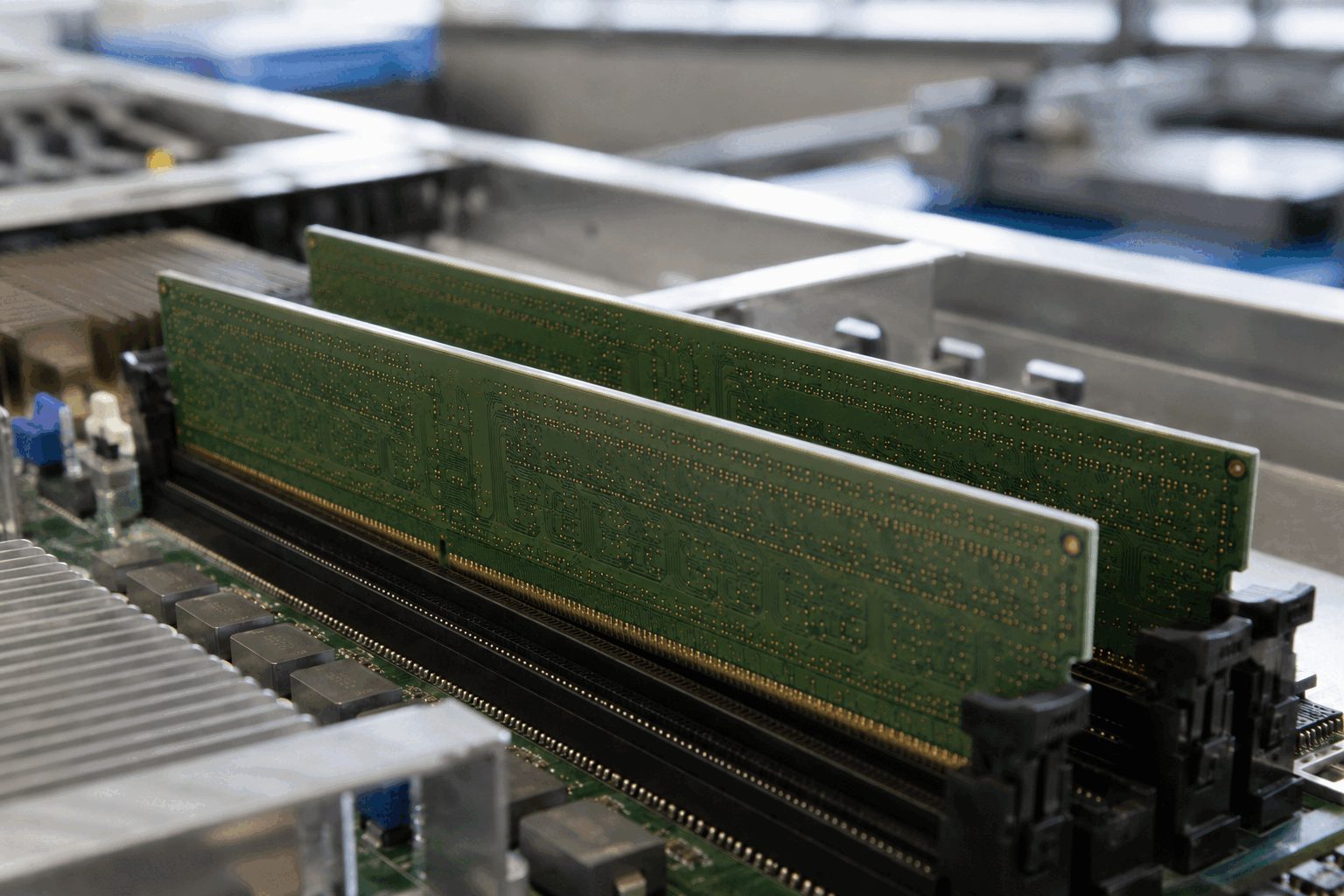
But the rally still has weak spots. Higher memory-chip costs could pressure margins if server makers cannot keep passing them through, and the buildout of large AI data centers depends on customer timing, power availability and access to advanced components. Export-control risk also remains part of the story: Supermicro said last week it worked with Taiwanese authorities after 50 servers were seized in a case involving alleged illicit diversion into the restricted China market.
Nasdaq’s regular session was open Tuesday, with the next 2026 U.S. market holiday listed as Juneteenth on June 19.
Related articles: NASDAQ:SMCI