
SAN JOSE, California, May 5, 2026, 14:02 (PDT)
- Super Micro issued a fourth-quarter revenue and adjusted earnings outlook that topped Wall Street forecasts, sparking a roughly 17% jump in its shares after hours.
- Gross margin came in at 9.9%, up from 6.3% the previous quarter—a crucial rebound for the company after months of squeezed profitability in its AI server unit.
- Revenue came in below forecasts, while the company also pointed to export-control issues and margin pressures.
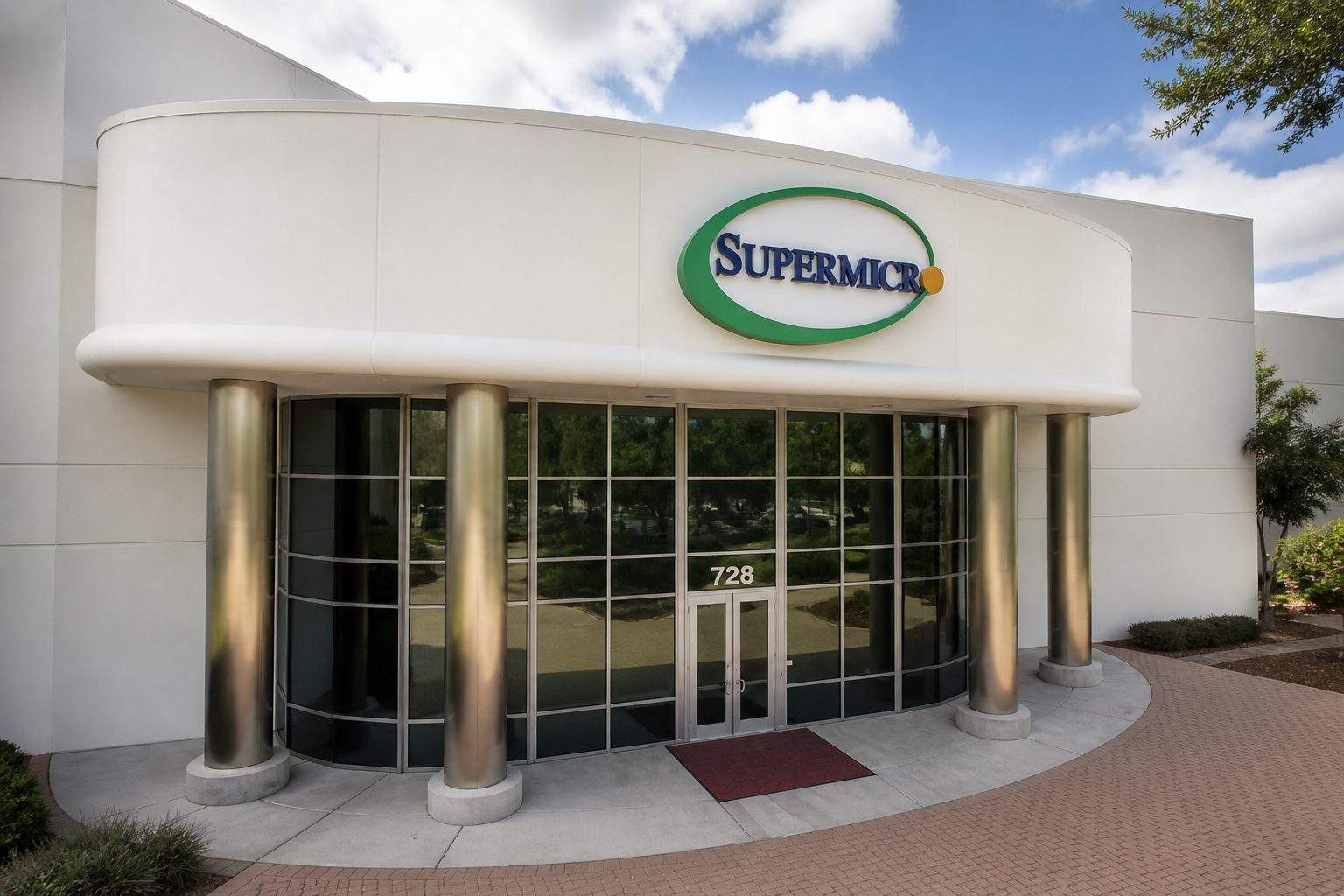
Super Micro Computer projected revenue and adjusted earnings for the current quarter that topped Wall Street’s estimates on Tuesday, giving investors some reassurance the AI server maker can boost margins even as orders surge. Shares jumped roughly 17% after hours.
Wall Street’s been zeroing in on proof that the boom in artificial intelligence servers is lifting profits, not simply top-line numbers. Super Micro’s gross margin climbed to 9.9% in the fiscal third quarter, up from 6.3% the previous period. Strip out some costs, and the non-GAAP margin came in at 10.1%.
The San Jose-based company is projecting fiscal fourth-quarter revenue somewhere between $11.0 billion and $12.5 billion, with adjusted earnings coming in at 65 to 79 cents per share. Wall Street, as polled by LSEG and noted by Reuters, was looking for $11.07 billion in revenue and 55 cents in adjusted profit per share.
Super Micro posted revenue of $10.24 billion for the quarter ended March 31, a jump of over 122% year-on-year, though that still missed the $12.33 billion analysts had been looking for. Adjusted earnings came in at 84 cents per share, up from 31 cents in the same period last year, according to the company.
Super Micro CEO Charles Liang pointed to faster momentum in the company’s move toward “total datacenter infrastructure,” emphasizing, “our margin recovery and the rapid growth of our DCBBS business demonstrate that our business remains robust.” The DCBBS segment—short for Data Center Building Block Solutions—covers Super Micro’s modular servers and rack systems, which are key pieces for AI and enterprise computing setups. Supermicro
Liang flagged fresh U.S. manufacturing sites in Silicon Valley, calling them a key reason the company is “exceptionally well-positioned” for demand in both AI and enterprise sectors. Its server systems typically use Nvidia processors—a connection that lets Super Micro pivot fast as new AI chips hit shelves. Reuters
Backdrop’s still supportive. According to Reuters, Alphabet, Amazon, Microsoft, and Meta Platforms together are on track to spend over $700 billion on AI this year, sending orders for high-end server racks surging. Super Micro is fighting for a share of that with heavyweight rivals like Dell Technologies and Hewlett Packard Enterprise.
Super Micro’s quarterly cash flow came in messy. The company burned through $6.6 billion in operating cash for the period, finishing March with just $1.3 billion in cash and cash equivalents. Total bank debt and convertible notes stood at $8.8 billion.
Legal and compliance risks hang over the company, too. Its board has launched an independent review into some transactions linked to export-control issues, and the company cautioned that findings could impact its forecasts, preliminary numbers, and even previous results. In its risk list: quarterly volatility, dependence on a handful of customers, rising costs, slimmer margins, and tariffs.
The issue became more pressing in March, after U.S. prosecutors charged three individuals connected to Super Micro—including co-founder Yih-Shyan Liaw—with allegedly smuggling AI technology into China. Super Micro wasn’t listed as a defendant and said it worked with investigators, according to Reuters.
Investors zeroed in on the margin recovery. Super Micro is projecting fiscal 2026 revenue between $38.9 billion and $40.4 billion—a step back from what last quarter’s targets suggested, but demand for AI infrastructure remains robust.
Related articles: NASDAQ:SMCI