
TAIPEI, May 4, 2026, 21:01 (UTC+8)
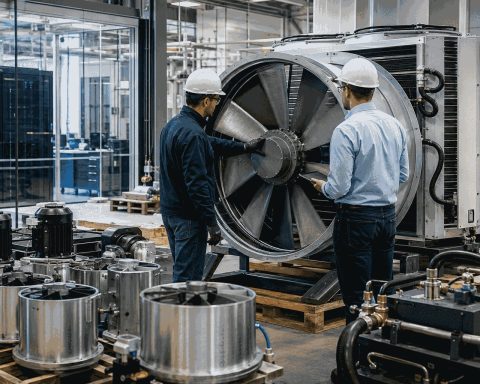
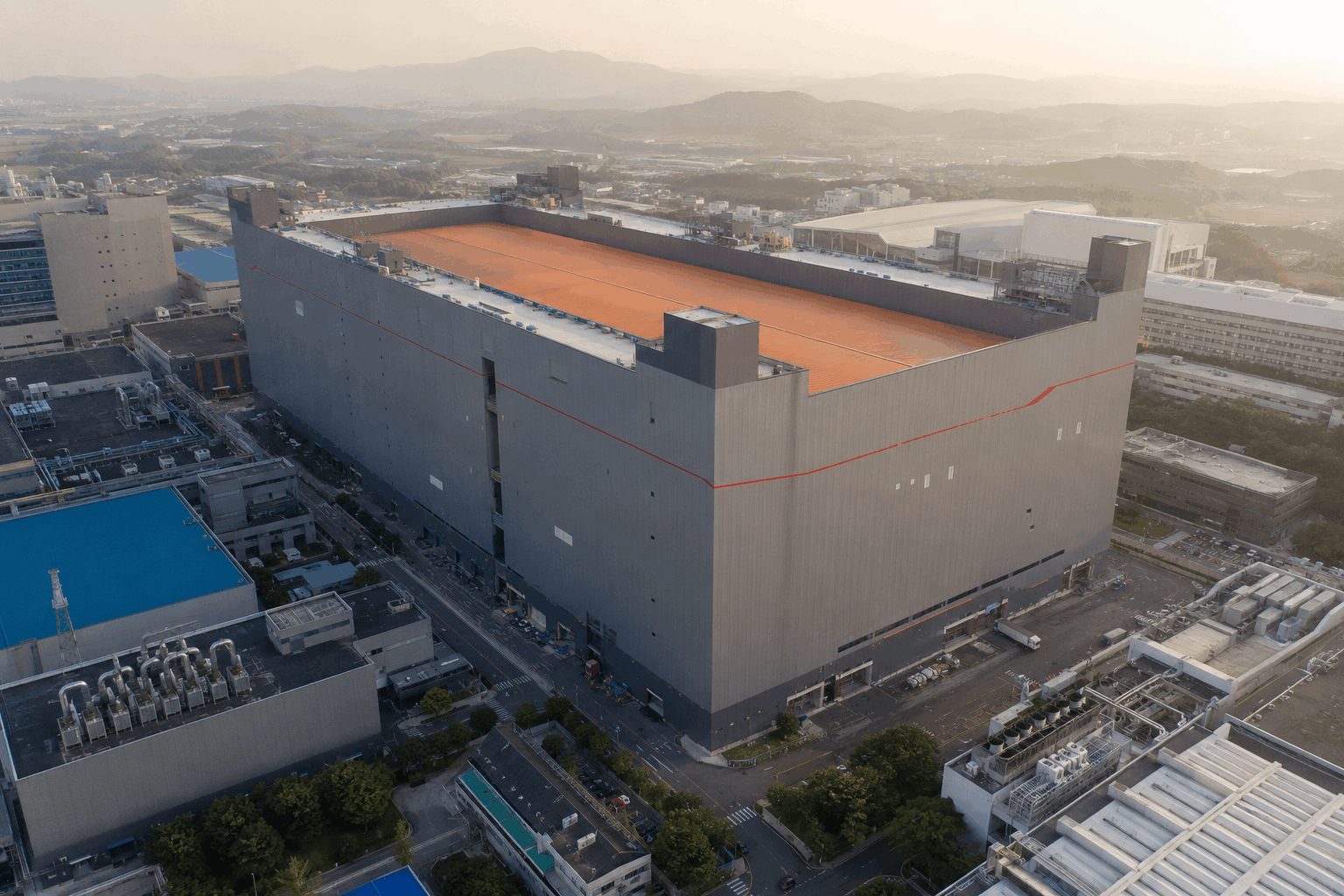
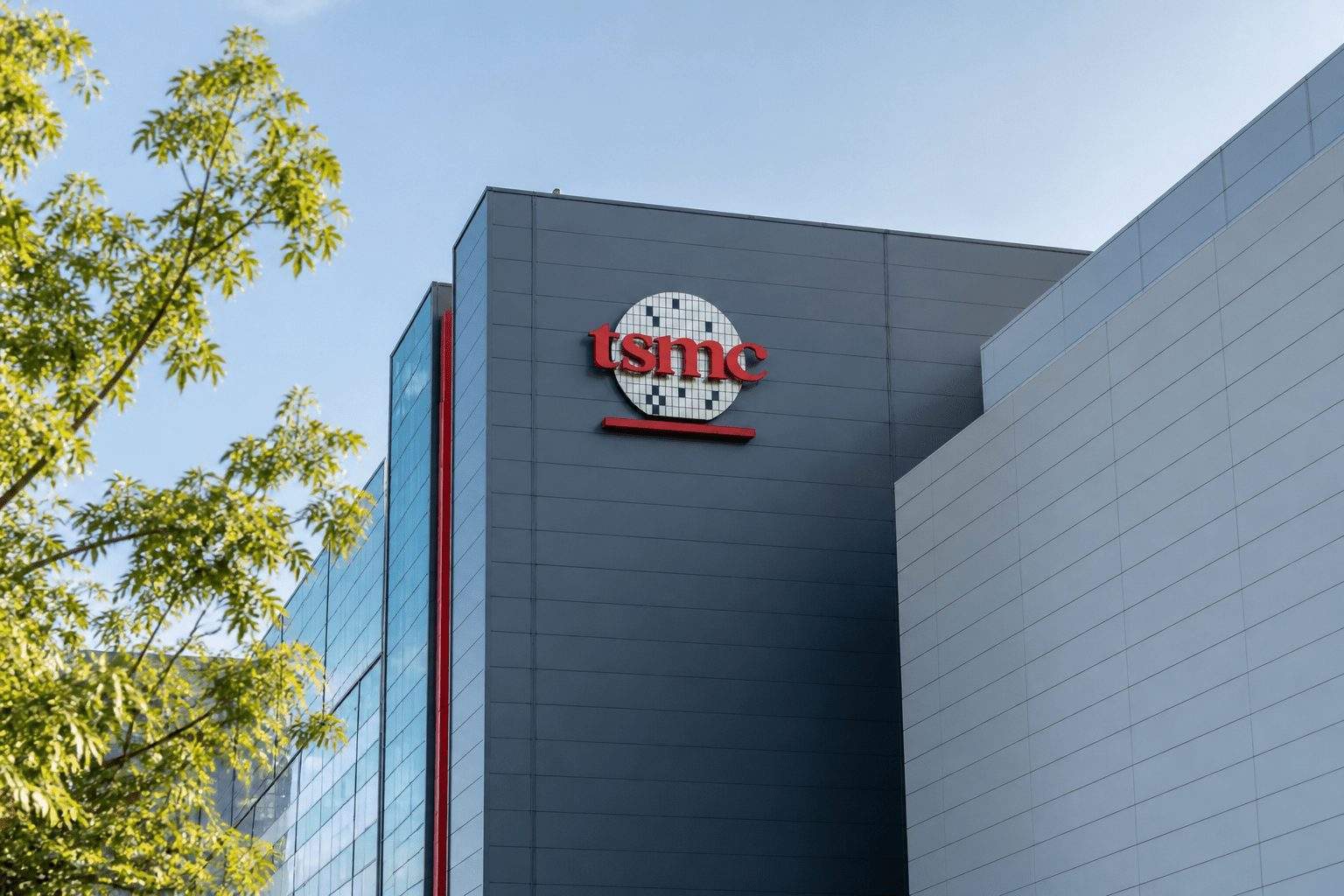
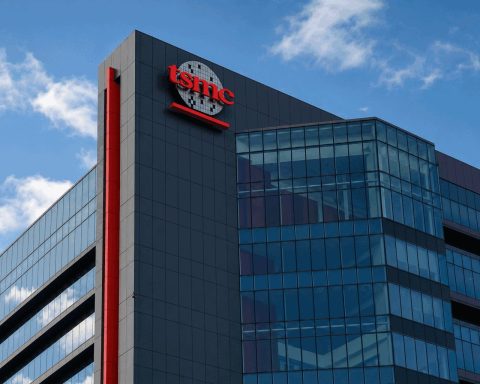
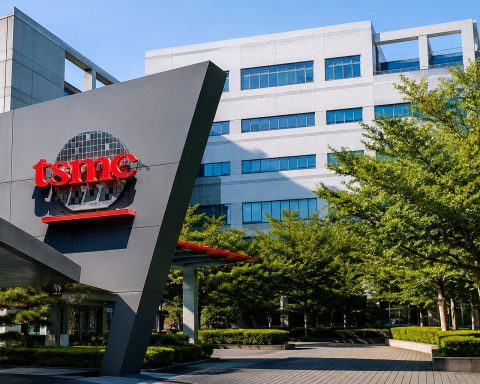
Taiwan Semiconductor Manufacturing Company Limited is back to requesting approval for an advanced wafer fab at Hsinchu Science Park’s Longtan campus, according to the park bureau Monday. The chipmaker’s expansion plan—on ice since three years ago—returns to the table. A wafer fab, for reference, is a facility that turns silicon wafers into chips.
Timing is key here. TSMC, which supplies chips for Nvidia and other AI players, has assured investors that AI-driven demand is still “extremely robust.” CEO C.C. Wei confirmed capital spending for this year will hit the upper end of their $52 billion to $56 billion target. Reuters
TSMC surged 6.56% to finish at NT$2,275, handing Taiwan’s Taiex index its first-ever close above 40,000. “Largest beneficiary”—that’s how Concord Securities analyst Kerry Huang put it, pointing to TSMC’s central role in cloud firms’ AI investment sprees. Huang said investors “rushed” into the chipmaker’s shares. Focus Taiwan – CNA English News
But Longtan isn’t locked in yet. TSMC pulled back in 2023 on a plan for something ahead of its current 2-nanometer process, facing pushback from the area. The company also hasn’t confirmed local speculation that the new site might be tapped for angstrom-class processes—chip features at a tenth of a nanometer.
TSMC laid out the numbers: first-quarter revenue hit NT$1.134 trillion, net income landed at NT$572.48 billion. Wafer revenue? Seventy-four percent came from advanced tech — that’s 7-nanometer and smaller. “Continued strong demand” for cutting-edge process technologies should keep business humming in the second quarter, according to Chief Financial Officer Wendell Huang. TSMC
TSMC’s Longtan plans come as the chipmaker pushes forward with overseas expansion. Kevin Zhang, the company’s deputy co-chief operations officer, told Reuters last month that TSMC is “aggressively expanding” in Arizona, targeting advanced packaging capabilities stateside by 2029. That technology links several chips, letting them function together as a single module—a key sticking point for AI processors. Reuters
Customer demand and interest from other chipmakers remain in play. “There is no question” the AI boom is ongoing, MediaTek CEO Rick Tsai said, pointing to data-centre ASIC chips as a market he sees hitting $70 billion to $80 billion by 2027. MediaTek, which relies on TSMC, is watching this space closely. Reuters
TSMC isn’t running alone. Samsung Electronics reported its chip division profit soared 49 times higher in the first quarter, and flagged that supply will lag demand through 2027 as it scrambles to catch up with SK Hynix in high-bandwidth memory—the quick-access chips paired with AI processors. That means big chipmakers have little choice but to ramp up spending and construction, or risk falling behind.
Related articles: NYSE:TSM

![Australia Stock Market Today 26/08/2026 [UPDATE: 10:37 AEST] [Woolworths and Lovisa Lift ASX Before CPI]](https://ts2.tech/wp-content/uploads/2026/08/AU-market-dashboard-2026-08-26-1037-480x384.jpg "Australia Stock Market Today 26/08/2026 [UPDATE: 10:37 AEST] [Woolworths and Lovisa Lift ASX Before CPI]")