
TAIPEI, May 7, 2026, 06:07 (TST)
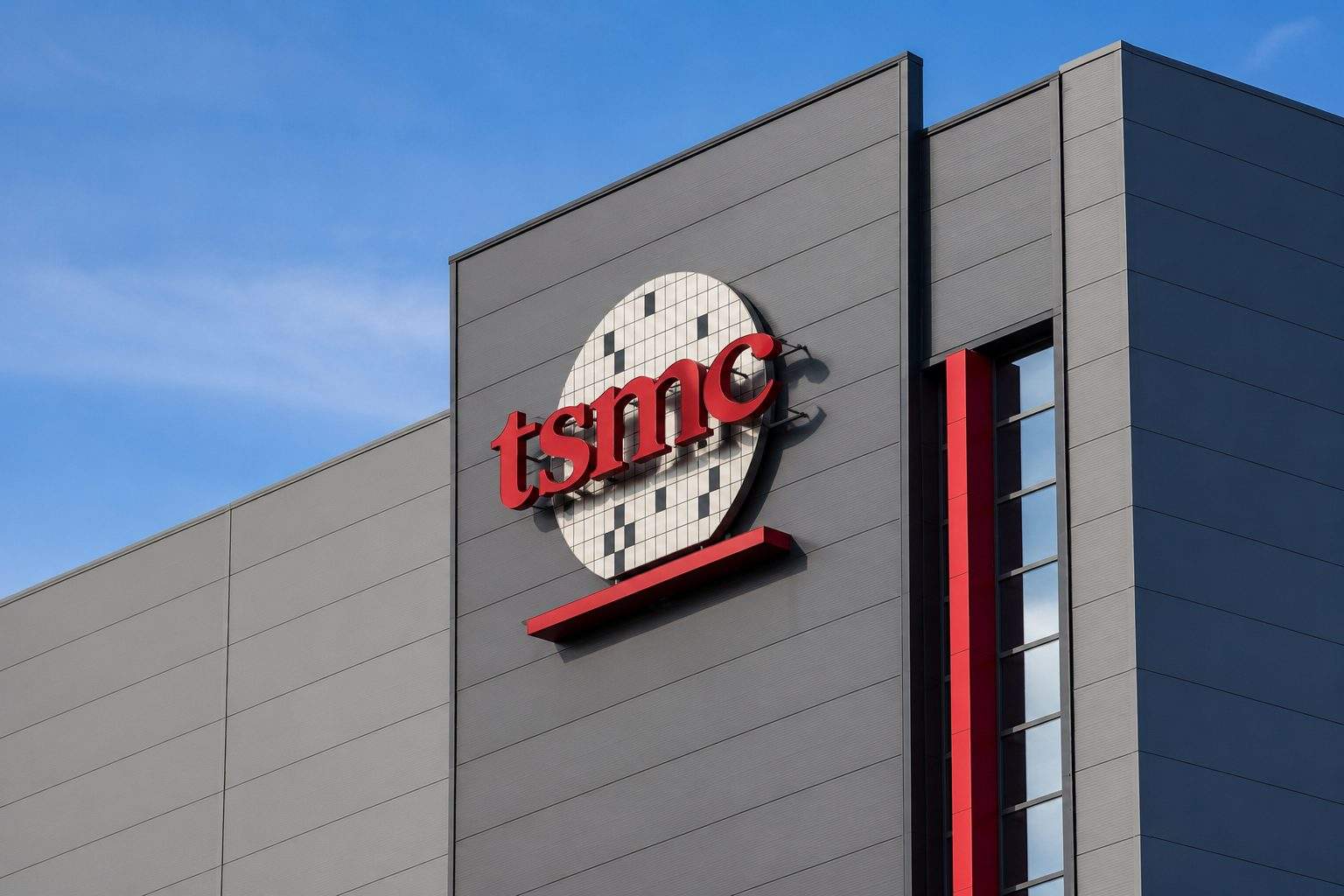
Shares of Taiwan Semiconductor Manufacturing Co jumped 6.36% in U.S. trading Wednesday, propelled by renewed appetite for artificial intelligence infrastructure plays after AMD’s results. Investors continued to see the Taiwanese foundry as one of the few sources for top-tier chip production. In Taipei, TSMC finished the local session flat at T$2,250 before the gains in New York.
AMD handed investors a new set of numbers to chew over. First-quarter revenue landed at $10.3 billion, up 38%, with data-center sales surging 57% to $5.8 billion. Looking ahead, the chipmaker sees second-quarter revenue around $11.2 billion. CEO Lisa Su pointed to “accelerating demand for AI infrastructure” and expects server growth to “accelerate meaningfully” as AMD ramps up supply. Advanced Micro Devices, Inc.
That’s what’s at stake now for TSMC. As a pure-play foundry, TSMC manufactures chips for other firms, not its own, and its cutting-edge lines are right in the middle of the AI supply chain. Just last month, TSMC flagged to investors that AI demand is still “extremely robust,” with plant capacity stretched thin and 2026 capex projected at the upper end of its $52 billion to $56 billion guidance. CEO C.C. Wei doubled down on his confidence in the “multi-year AI megatrend.” Reuters
Demand is widening. AMD lifted its outlook for the server CPU market, now projecting more than 35% annual growth through 2030—that’s nearly double the previous 18% estimate—as companies gear up for inference, not just AI model training. “It’s about a broader compute opportunity,” said Matt Britzman, senior equity analyst at Hargreaves Lansdown. AMD is looking beyond just competing with Nvidia on graphics chips. Reuters
TSMC finds itself both powerful and pressured. Customers like AMD and Nvidia are chasing more top-tier wafers, but with capacity constraints moving to the forefront, simple demand isn’t the whole story anymore. “Insatiable AI compute demand” is what’s driving AMD, according to Jake Behan, head of capital markets at Direxion. Now, though, investors want to know if that appetite will actually turn into high-margin revenue. Reuters
Competition isn’t letting up. Samsung Electronics broke through the $1 trillion market value mark on Wednesday, its stock price having surged over fourfold in the last year. That milestone puts Samsung alongside TSMC as the only Asian firms to hit the trillion-dollar club. The surge underscores investor appetite all along the chip sector, not just for foundry heavyweights.
TSMC’s customer risk profile includes Intel and Samsung. According to Bloomberg News, Apple has had initial talks with both chipmakers about manufacturing its main device processors, but nothing has been ordered yet. That report also noted Apple’s hesitance to shift from TSMC, citing worries over scale and reliability.
The flip side isn’t hard to spot. According to Reuters, chipmakers face a squeeze in memory chip supply—high-bandwidth memory, in particular, is running tight. That’s the fast stuff, crucial for data-center processors. AMD flagged rising memory and component costs as a drag on PC shipments for the back half, and projected gaming revenue would slump by more than 20% from the first six months. Supply pinches or foundry bottlenecks could easily slow the conversion of hot AI demand into actual shipments.
Now comes Taipei. That market’s already absorbed plenty: record profits from TSMC, limited supply at the leading edge, AI fueling demand. AMD’s new figures—are they proof enough, or just more fuel for those betting TSMC, the top contract chipmaker, has room to run?
Related articles: NASDAQ:NVDA



![Australia Stock Market Today 23/08/2026 [UPDATE: 08:38 AEST] [Healthcare Surge: Weekly Recap and Week Ahead]](https://ts2.tech/wp-content/uploads/2026/08/AU-market-dashboard-2026-08-23-0843-480x384.jpg "Australia Stock Market Today 23/08/2026 [UPDATE: 08:38 AEST] [Healthcare Surge: Weekly Recap and Week Ahead]")