New York, January 22, 2026, 4:03 PM ET — After-hours
- Tesla shares jumped roughly 4% following Musk’s comment that some robotaxi rides in Austin are operating without in-car safety monitors
- Musk said Tesla expects to get Europe and China approval for driver-supervised Full Self-Driving “as early as next month”
- Attention now turns to Tesla’s Jan. 28 results for insights on revenue breakdown and the progress of its autonomy rollout
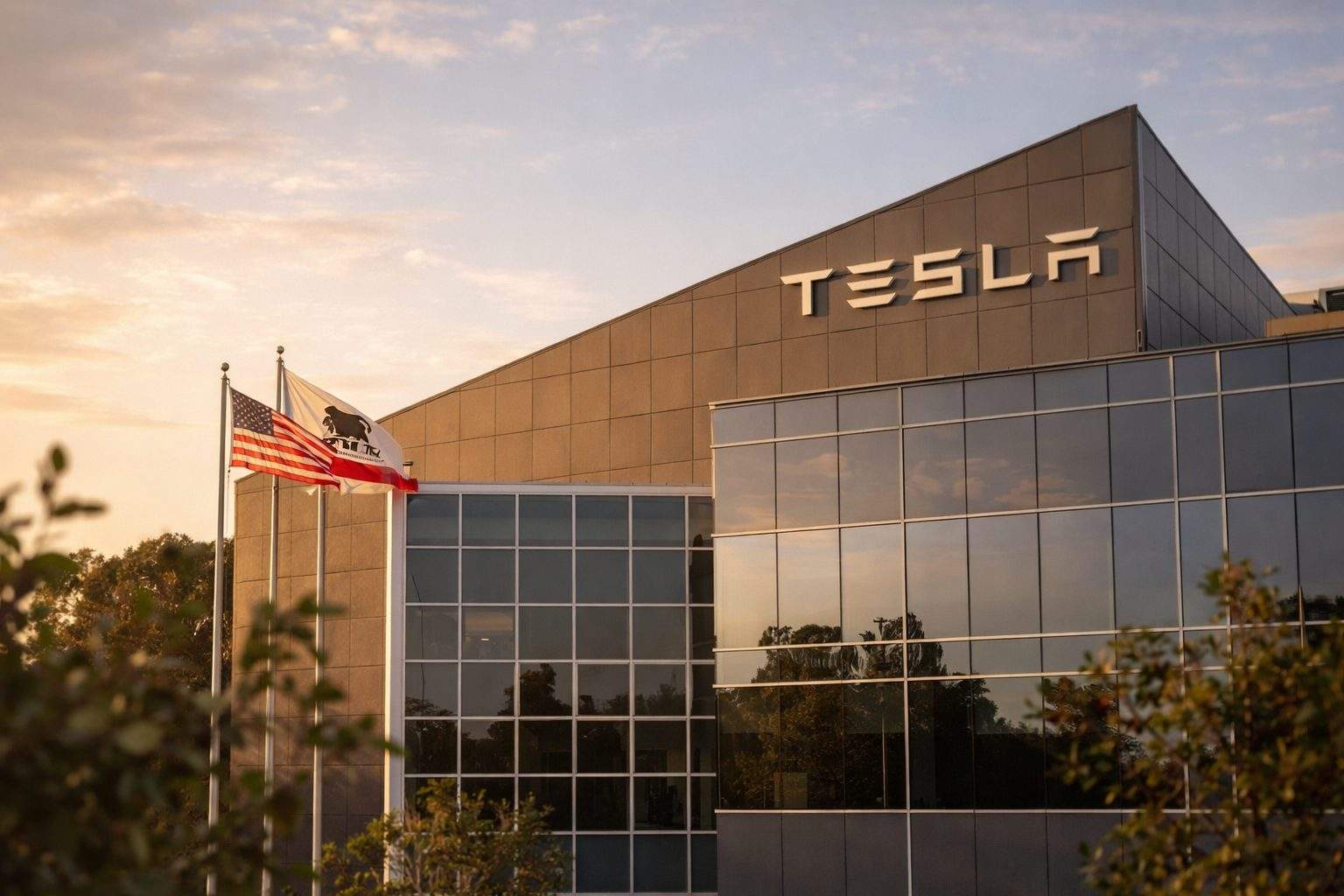
Tesla shares jumped 4.1% to $449.15 on Thursday after CEO Elon Musk announced the company had launched robotaxi rides in Austin, Texas, operating without safety drivers onboard. Speaking at the World Economic Forum in Davos, Musk said he hopes driver-supervised Full Self-Driving (FSD) will get approval in Europe “hopefully next month,” with China following a similar timeline. Reuters
These updates are crucial for Tesla’s stock, as investors have largely based the company’s value on the hope that software and autonomy will outpace car sales. That wager has driven much of Tesla’s recent surge.
The timing is tricky for traders, forced to factor a rapidly evolving autonomy narrative into a stock that reacts sharply to even minor timeline shifts. Next week’s earnings should finally clarify both the timing and the financials.
Tesla announced it will release its fourth-quarter results after the market closes on Wednesday, Jan. 28, followed by a live Q&A webcast at 5:30 p.m. ET.
FSD is an advanced driver-assistance system that handles steering and braking, but the driver must stay vigilant and in control. Musk’s remarks suggest a move to expand the software’s market beyond the U.S.
On Wednesday, insurer Lemonade announced a 50% discount on its pay-per-mile insurance for Tesla drivers using Full Self-Driving (FSD) mode, relying on Tesla’s own data to distinguish assisted miles from those driven manually. “We see every minute, every second that you drive your car,” Lemonade co-founder Shai Wininger told Reuters. He emphasized the cut reflects the reduced risk but cautioned, “the cars are not fully autonomous yet.” Reuters
Musk has downplayed the timeline for new hardware linked to Tesla’s autonomy efforts. He said earlier this week that initial production of the Cybercab robotaxi and Optimus humanoid robot will be “agonizingly slow” before scaling up. Reuters
In Europe, Tesla rejected concerns about its presence there, denying plans to scale back production or reduce staff at its Berlin-area factory. This comes after a German newspaper claimed the workforce had been cut.
The downside is clear. Approvals might be delayed, regulators could expand their scrutiny following crashes or complaints, and a “monitor-less” robotaxi launch could quickly shift from a breakthrough to a major headline risk if problems arise.
The next big date is Jan. 28, when investors expect Tesla to provide clearer timing on approvals in Europe and China, reveal how fast Austin’s fleet grows beyond its initial small rollout, and clarify what all this means for revenue in the year ahead.