
CORNING, New York, May 9, 2026, 15:02 EDT
Nvidia’s upfront payment to Corning Incorporated—totaling several billion dollars—is going far beyond the equity-linked deal revealed earlier this week. Both Nvidia CEO Jensen Huang and Corning CEO Wendell Weeks confirmed the size of the prepayment during a CNBC interview, according to a Reuters report.
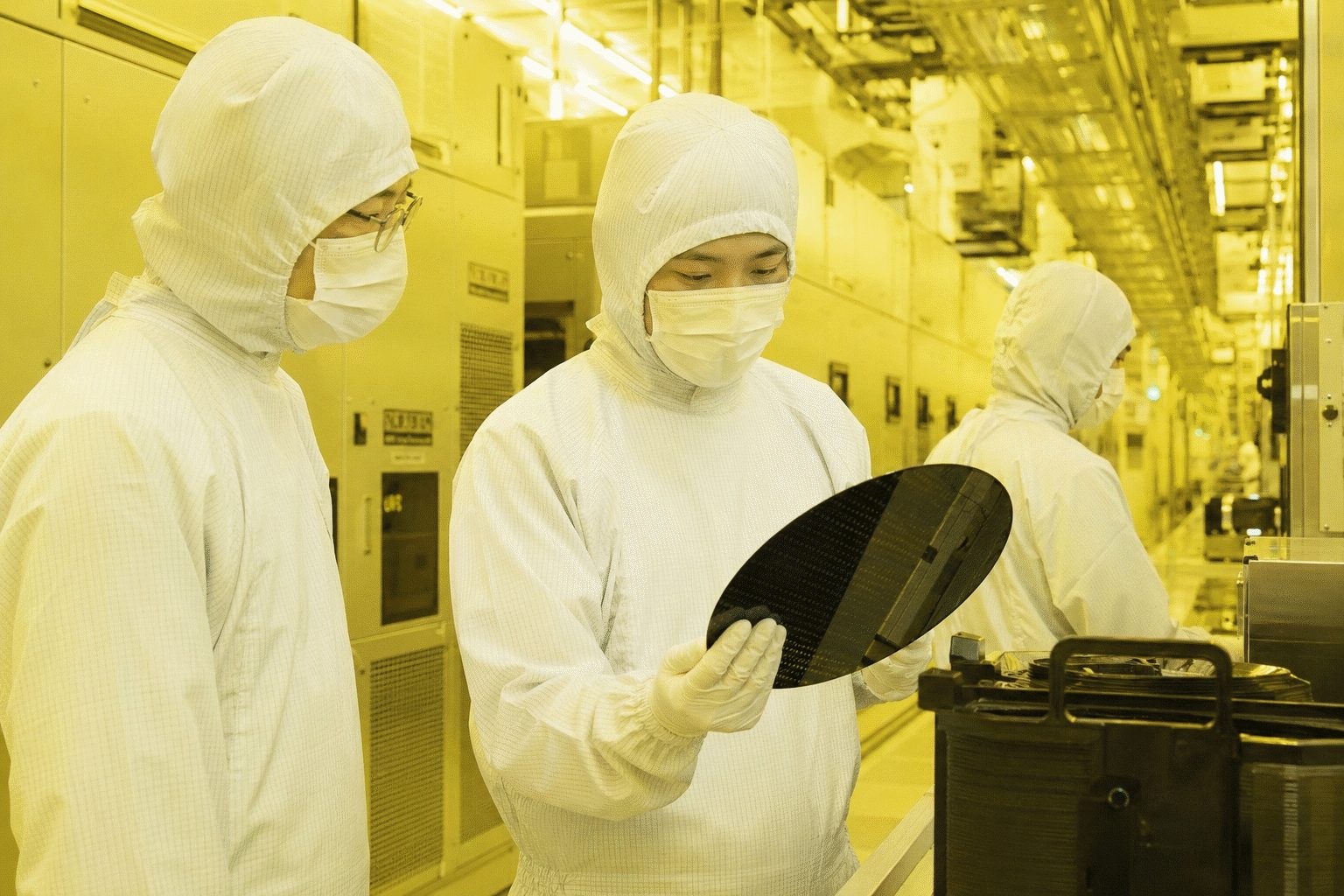
Corning is getting drawn further into the AI data-center boom, a shift from its usual glass, display, and life-sciences focus. Optical fiber—those ultra-thin glass threads that shuttle data at speed through light—has become a core necessity for AI data centers linking up thousands of processors in sprawling computing hubs.
The agreement puts Corning’s fresh growth targets squarely in focus for investors. With spending ramping up to boost capacity, the company is making its move right as Nvidia and other AI infrastructure players scramble to secure fiber for critical data movement—connecting chips, servers, and entire data-center clusters.
Corning and Nvidia on May 6 unveiled a multiyear deal covering both commercial and tech collaboration. Corning will ramp up U.S. optical-connectivity output by 10 times, boost domestic fiber-making by upwards of 50%, and put up three new facilities in North Carolina and Texas. The expansion is expected to bring more than 3,000 new jobs.
Huang called the upfront payment “a multi-billion-dollar prepayment.” Speaking to CNBC, Weeks clarified that’s distinct from Nvidia’s right to take “about a $3 billion position” in Corning equity. Reuters
Nvidia snapped up $500 million worth of Corning warrants, according to a May 6 filing. The main warrant lets Nvidia pick up as many as 15 million Corning shares for $180 apiece. There’s also a pre-funded warrant thrown in, good for up to 3 million more shares—these at just $0.0001 each. Warrants, for the record, allow holders to purchase stock at a fixed price within a specific timeframe.
Corning’s approach lets it distribute the expense of ramping up manufacturing. Chief Financial Officer Ed Schlesinger said the company will look to “appropriately share the risk” of these investments by locking in long-term agreements with customers, all while aiming to boost free cash flow. Corning
Corning bumped up its long-term guidance at the May 6 investor event, now targeting a $20 billion annualized sales run rate by late 2026. Internally, the company aims to push that figure to $30 billion by 2028 and $40 billion by 2030. The annualized sales run rate reflects the current pace of sales stretched over a year—not to be confused with actual annual revenue.
Nvidia’s deal lands on the heels of several hefty AI contracts for Corning. Back in April, Corning disclosed two more hyperscale customers had inked long-term agreements on par with its multiyear, up-to-$6 billion arrangement with Meta. First-quarter core sales hit $4.35 billion, an 18% jump from the same period last year.
Competitive dynamics are changing as well. MarketWatch quoted Seaport analyst Jay Goldberg, who said Nvidia’s deal with Corning locks in optical fiber components before demand ramps up. The same report flagged Nvidia’s tie-ups with optical players Lumentum Holdings and Coherent.
U.S. markets stayed dark Saturday, leaving Corning at $186.94, up 2.4% over its previous close and coming off a Friday session where it briefly hit $198.19. Early on May 6, the stock had jumped more than 19% after word broke of the new partnership and loftier sales goals, Reuters reported.
Execution stands out as the main risk. Corning flagged plenty of unknowns around its Nvidia tie-up, new facilities, hiring plans, and AI-fueled demand. The company specifically cited possible hiccups from supply-chain issues, trade friction, shifting product demand, swings in industry capacity, and whether capital outlays can be kept on track—all of which could alter how things ultimately play out.
Corning’s first-quarter report drew eyes for a reason—Optical Communications sales jumped 36% year over year, a sharp contrast to the modest 1% climb in Glass Innovations and a 1% dip in Automotive. The AI angle seems to be taking center stage for investors.
Weeks called the Nvidia deal “not just a technology story” but a manufacturing one. For investors, though, it comes down to whether Corning can actually convert Nvidia’s money and customer interest into steady revenue instead of simply expanding its factory footprint. Corning
Related articles: NASDAQ:NVDA