
NEW YORK, January 3, 2026, 08:10 ET — Market closed
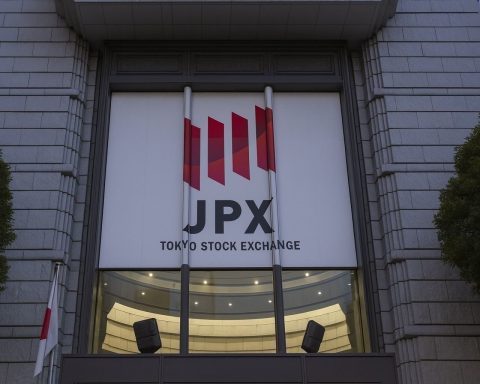
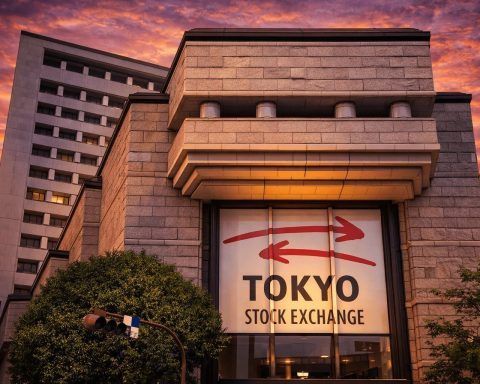
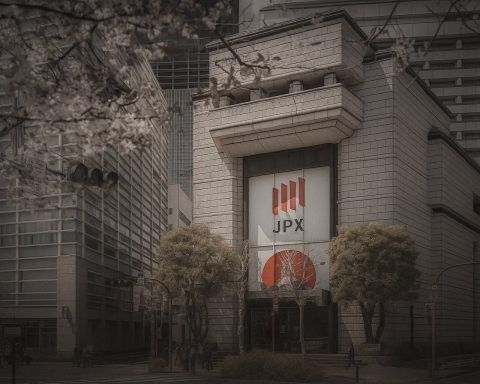
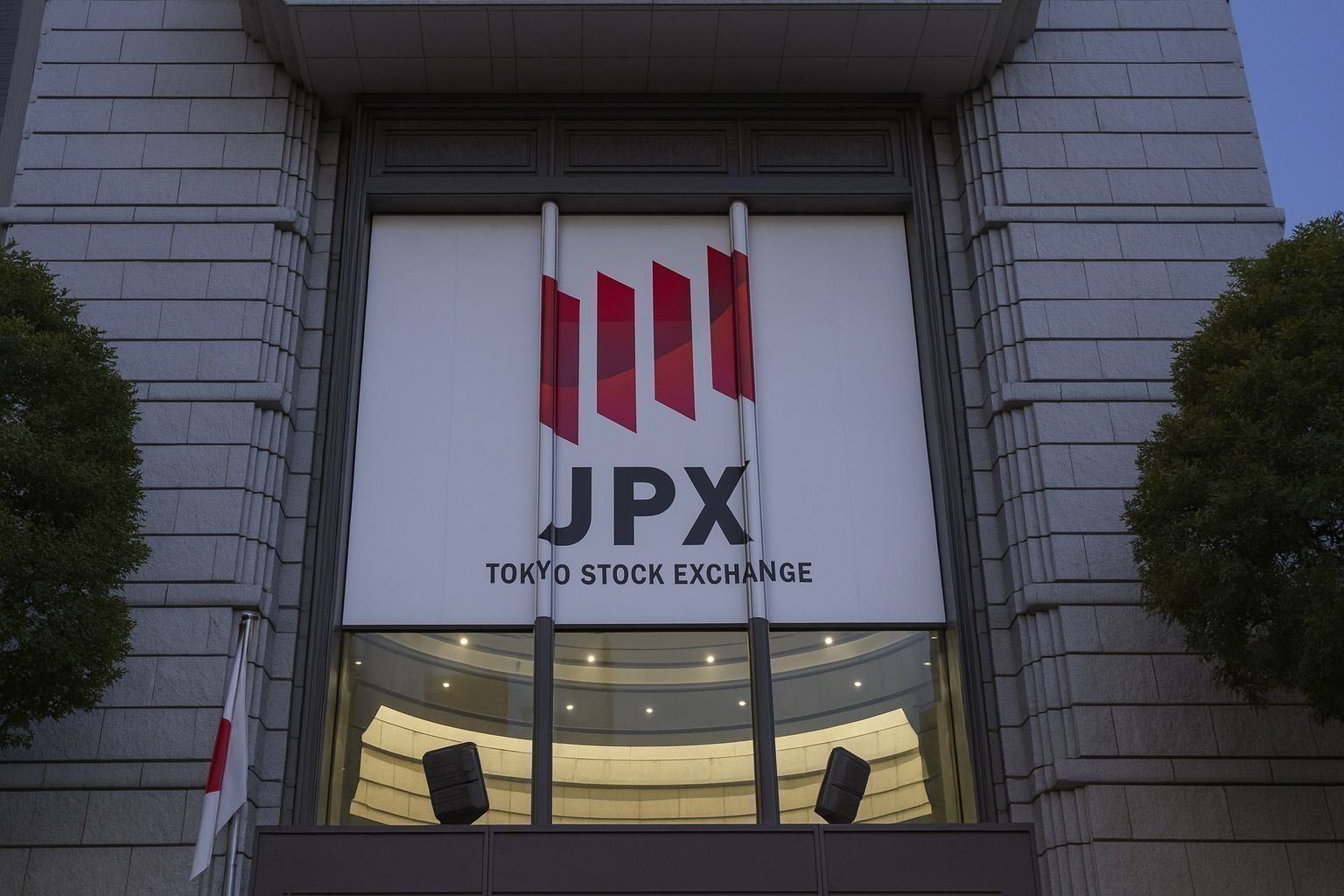
Tokyo Stock Exchange stocks were not trading on Saturday as Japan’s main bourse remained shut for New Year holidays, delaying the first cash-market read on investor positioning in 2026. The exchange is closed Jan. 1-3 and reopens on Monday, Jan. 5.
That pause leaves investors anchored to the last Tokyo close: the Nikkei 225 ended at 50,339.48, down 0.37%, while the broader Topix finished at 3,408.97, down 0.51%, according to LSEG data carried by Reuters. The dollar last stood at 156.81 yen and the U.S. 10-year Treasury yield at 4.195%, with Wall Street’s main indexes finishing Friday mixed.
Why it matters now is simple: when Tokyo reopens, the first move often reflects how traders have re-priced currency and rate risk while Japan’s cash market was closed. Investors are also lining up around U.S. macro catalysts, including the Jan. 9 employment report and Jan. 13 consumer price index, which could reset expectations for Federal Reserve rate cuts.
“Today is kind of a holiday trading day, lighter volumes, people not engaged normally,” said Jed Ellerbroek, a portfolio manager at Argent Capital, describing Friday’s thin conditions in global markets. Reuters
With the Tokyo Stock Exchange shut, investors who want Japan exposure typically use Nikkei-linked futures — contracts that let traders bet on an index level at a later date — or Japanese ADRs (U.S.-listed receipts of foreign shares) to adjust risk. Those positions can feed back into the cash market once it reopens.
Currency remains the key swing factor for many Tokyo heavyweights. A weaker yen can lift exporters by inflating the value of overseas earnings when translated back into yen, while higher global yields tend to pressure rate-sensitive growth stocks and support financials.
Japan’s own rate outlook is also on the radar. The Bank of Japan’s schedule shows its first 2026 monetary policy meeting is set for Jan. 22-23.
Before Tokyo’s next session, traders will be watching whether the yen extends its recent moves and whether U.S. yields push higher as the next round of U.S. economic releases lands. The direction of those two markets often sets the opening tone for Japanese equities.
The Nikkei’s hold above 50,000 is a psychological level — a round number that can act as a support or resistance point because many investors set orders around it. A decisive break lower can invite profit-taking, while a sustained move higher can draw momentum buyers.
Related articles: TSX:8697