
Denver, June 9, 2026, 14:01 (MDT)
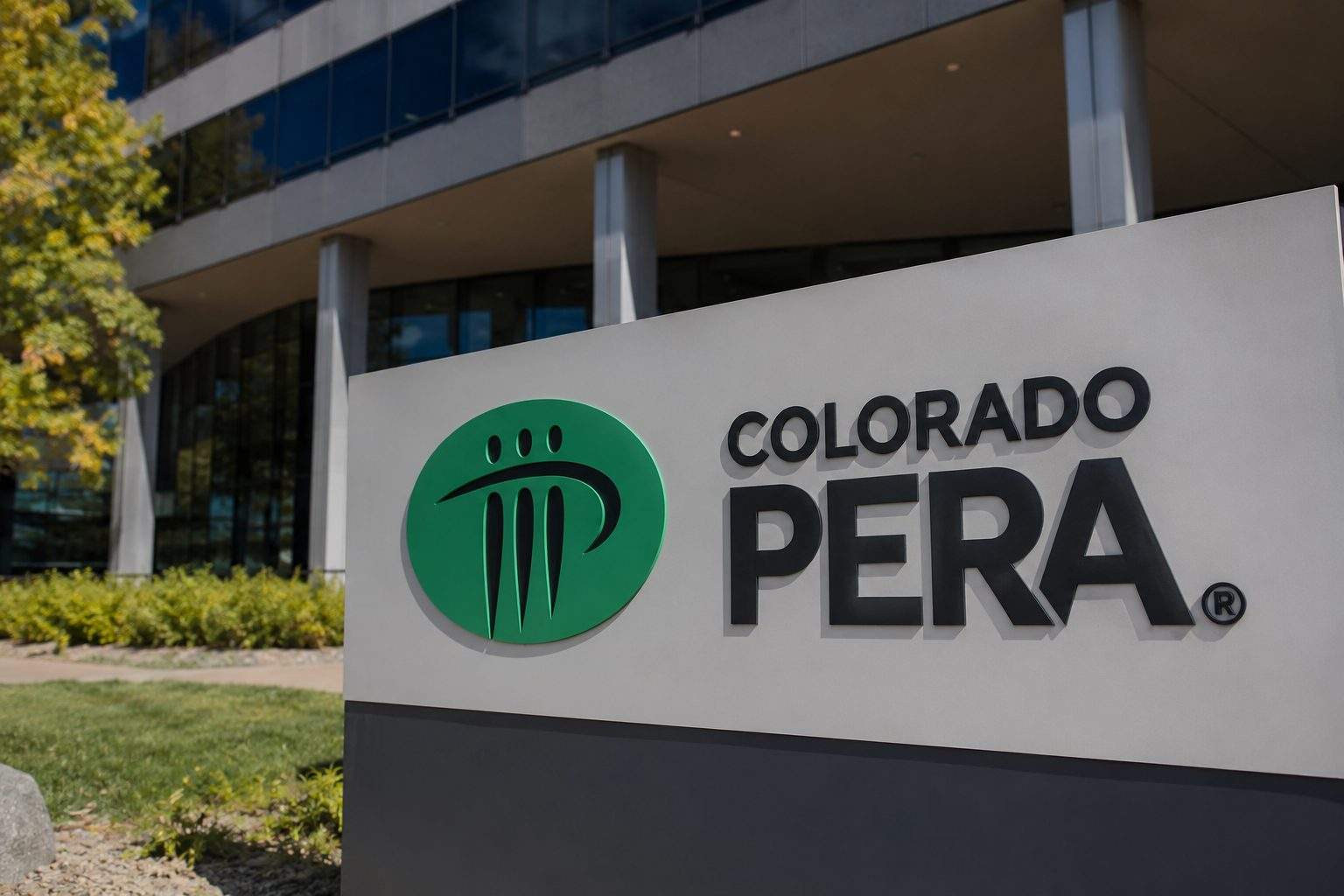
Colorado’s Public Employees’ Retirement Association paid hefty bonuses to its investment team even though the fund lost $9.8 billion last year, according to a Colorado Sun analysis. That raises fresh scrutiny over the pension system while retirees’ payments trail inflation. Pension Policy International published the report on Tuesday. Meanwhile, the separate debate over executive pay at the UK’s Nationwide Building Society continues.
PERA’s “shared sacrifice” pitch comes as Colorado state workers, retirees, and taxpayers keep taking hits to shore up the fund. Since 2010, retirees—teachers, bus drivers, other state employees—have seen pension buying power drop 21% to inflation as PERA pushed through benefit cuts and hiked contributions to close a $29 billion shortfall, according to the Sun. The Colorado Sun
PERA’s bonus pool is up again. The fund earmarked $11.7 million for employee bonuses, a jump from $4.6 million in 2018, and the board signed off on raising that to $13.1 million this year, the Sun reported.
PERA’s investment team brought in average bonuses of $299,000 in 2022, or 124% of base salary, even though the fund posted its steepest loss since the financial crisis. Nine investment staff each made bonuses over $400,000, with two tripling their pay on incentives, according to the analysis.
PERA executives say the pay helps retain investment staff. Andrew Roth, executive director, told the Sun that outsourcing investments would cost the system around $80 million more annually. He called current pay levels “a financial safeguard” for retirees and members. The Colorado Sun
Union leaders and some board members are pushing back on the bonuses. Hilary Glasgow, head of Colorado WINS, called the payouts “insane.” PERA trustee Eunice Botchway questioned what they should say to teachers and janitors who are having a tough time and aren’t getting any extra for their work. The Colorado Sun
How to judge performance has become a flashpoint. PERA pays out incentives if managers top their benchmark—even if the fund posts an overall loss. In 2022, PERA’s overall return was down 13.4%, which still beat its benchmark loss of 13.7%. Global equities did worse, dropping 20.6% and trailing the division’s benchmark, but equities staff still took home $4.9 million in incentives because longer-term benchmarks applied.
Pay for public pension staff has been rising along with the complexity of the funds, Hank Kim, executive director of the National Conference on Public Employee Retirement Systems, said. PERA chief investment officer Amy McGarrity earned $1.2 million last year, with $660,000 of that from a bonus. That’s well above the $638,000 median for large public pension CIOs found in a 2025 survey, according to the Sun.
Peers have set more limits on pay. Arizona limits incentive payouts to 30% of salary, Washington skips annual incentives, and CalPERS, the biggest U.S. public pension, keeps incentive pay out of staff retirement. That’s from the Sun’s review.
Trustees face the risk that political pressure could drive up costs in other areas. PERA reported that its in-house staff oversaw 61% of the overall fund in 2024, saving $70 million compared to hiring outside managers. If important staff members depart, the fund could end up paying more to private firms or see a drop in execution quality.
Nationwide’s chief executive Debbie Crosbie saw her pay go up to £4.7 million for the year to March 2026, up from about £2.5 million, the annual report shows. The increase comes as the lender completed the £2.9 billion Virgin Money deal, which padded out annual and long-term bonuses. Members had no binding vote on the pay or the deal itself. An advisory vote is set for the July 15 AGM.
Nationwide Chairman Kevin Parry said Crosbie’s pay increased as it now includes a long-term bonus for the first time and is tied to “outstanding performance” over three years. According to City AM, the Virgin Money deal pushed Nationwide to the number two spot among UK retail banks, moving it ahead of NatWest but still behind Lloyds Banking Group. City AM
Andrew Speke, interim director at the High Pay Centre, called the pay deal out of step with “fairness and democratic governance” that’s expected from building societies. Nationwide is also pushing back against member James Sherwin-Smith’s board bid. Parry said boards shouldn’t back directors who don’t have the right skills or experience. The Guardian
PERA’s final 2025 investment numbers are due later this month, with Nationwide heading into its July AGM. Both are facing questions from the people funding them—workers, retirees, and members—about whether pay deals make sense. The legality of the bonuses isn’t really in doubt.